
Companion Plants
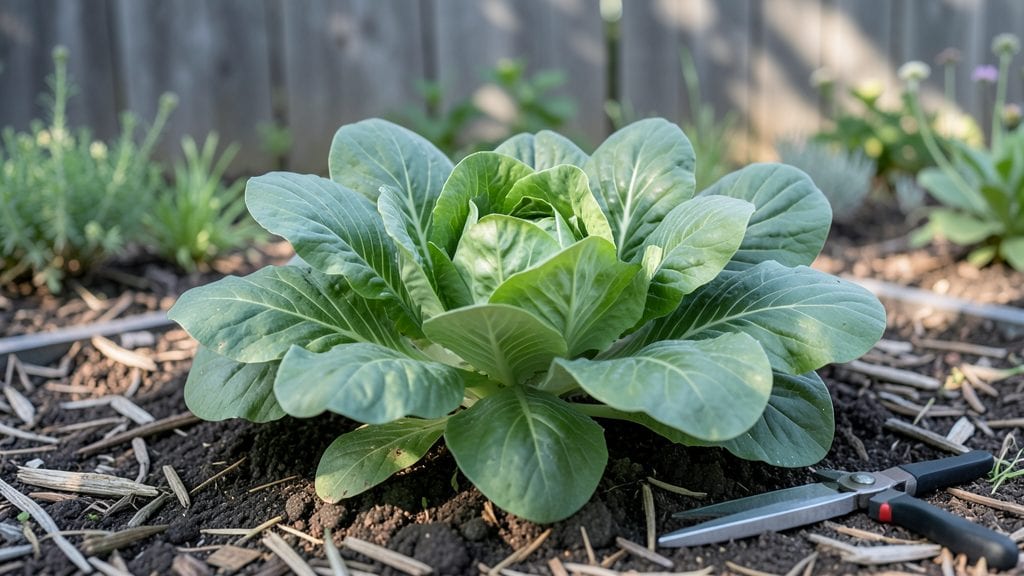
Growing your first garden doesn’t have to mean struggling with finicky plants that demand constant attention. 🌱 The right beginner garden plants turn gardening into a rewarding hobby where success comes almost effortlessly—like marigolds that bloom all summer or basil that grows so fast you’ll wonder why you ever bought it at the store.
These plants forgive mistakes, bounce back from neglect, and reward even the most hesitant green thumbs with lush growth and abundant harvests.
I’ve narrowed it down to the top five plants that thrive with minimal fuss: lettuce for quick greens, marigolds for pest-free flowers, basil for kitchen herbs, radishes for fast gratification, and zucchini for surprising productivity.
None of them need perfect soil, and most tolerate a little shade or irregular watering—ideal for busy beginners who want results without the stress. The secret? Choosing plants that match your light and space, then letting nature do most of the work.
By mid-summer, you’ll have a garden that looks intentionally planted, not like a science experiment gone wrong. The lettuce stays crisp, the marigolds deter pests naturally, and the zucchini vines spread so aggressively you’ll need to share with neighbors.
These plants don’t just survive—they thrive, proving that gardening isn’t about perfection, but progress. Let’s get you growing with confidence.
Whether you’re working with a sunny windowsill, a small balcony, or a patch of yard, these plants adapt easily. The key is starting small, picking the right varieties, and remembering that even the best gardeners began with their first fragile seedling. You’ve got this—let’s make it simple.
📚 In This Guide
- What you need
- Instructions
- Tips and common mistakes
- Wrapping up and next steps
What you need
- ● Beginner-friendly plants: 3–5 easy-to-grow varieties (e.g., snake plants, pothos, mint, or cherry tomatoes). Start with 1–2 plants per pot or 3–5 seeds per container.
- ● Containers or garden bed: For pots: 5–10-gallon containers (1–2 per plant, with drainage holes). Terracotta or plastic works!
- ● For in-ground: A 6"–12" deep plot with loose, well-draining soil.
- ● Potting mix: 1–2 bags of high-quality, peat-free mix (e.g., Miracle-Gro or FoxFarm). Avoid garden soil—it compacts too easily!
- ● Basic tools: Trowel ($5–$10)
- ● Pruners ($8–$15)
- ○ Gloves (optional but recommended for grip)
- ● Watering can or hose: A 1-gallon watering can (or a spray nozzle attachment for your hose).
- ● Fertilizer: A balanced, slow-release fertilizer (e.g., 10-10-10) or organic options like worm castings.
- ● Mulch: 2–3 inches of shredded bark or straw to retain moisture and suppress weeds.
- ● Plant markers: Sticks or labels to track what’s what (DIY with popsicle sticks + markers!).
- ● Grow lights: A LED clip light ($10–$20) for indoor seedlings if needed.
- ● Soil moisture meter: ($5–$10) to avoid over/underwatering.
- ● Companion plant guides: Printable charts or apps (like Gardenate) to pair plants wisely.
Step-by-Step guide to planting beginner-friendly garden staples
Here's how to establish four resilient plants that reward effortlessness with vibrant growth.
🌱 Step 1: Select and Prepare Your Planting Sites
Choose a location with at least 6 hours of sunlight daily—most beginner plants thrive in full sun but tolerate partial shade. I recommend testing spots for a week first: mark areas where sunlight hits consistently. Clear debris and loosen the top 6 inches of soil with a garden fork to improve drainage.
For container plants, ensure pots have drainage holes and use well-draining potting mix (never garden soil). The key here is avoiding waterlogged roots, which cause more problems than any beginner faces. Amend the soil with 2 inches of compost if planting directly in the ground—this boosts nutrients without overwhelming new roots.
🌿 Step 2: Plant Hardy Annuals and Perennials
Start with snapdragons (annuals) and coneflowers (perennials)—both tolerate poor soil and occasional neglect. Dig holes twice as wide as the root ball but only as deep as the container they came in. Gently remove plants from their pots and tease apart any circling roots with your fingers.
Place each plant in its hole, then backfill with soil, pressing lightly to eliminate air pockets. Water deeply to settle the soil and remove any wilted leaves before planting—this reduces stress on the plants. Space snapdragons 12 inches apart and coneflowers 18 inches apart to allow airflow and prevent disease.
💧 Step 3: Establish a Consistent Watering Routine
Water deeply once a week (or more often in extreme heat) to encourage deep root growth. The goal is 1 inch of water per week, delivered at the base rather than overhead. I use a soaker hose to deliver water slowly—this keeps leaves dry and reduces fungal risks.
Check soil moisture by sticking your finger 2 inches deep—if it feels dry, water again. Mulch around plants with 2 inches of shredded bark to retain moisture and suppress weeds. This step is critical: inconsistent watering causes more beginner failures than any other factor.
☀️ Step 4: Monitor and Maintain Minimal Care
Fertilize lightly every 4-6 weeks with a balanced, slow-release fertilizer (10-10-10) to avoid burning tender new growth. Deadhead spent blooms on snapdragons to encourage continuous flowering—simply pinch off faded flowers with your fingers. Coneflowers rarely need deadheading but benefit from removing seed heads after blooms fade.
Watch for pests like aphids or spider mites—spray affected areas with neem oil if you spot them. Most beginner plants recover quickly from minor pest pressure, so don’t panic at the first sign of trouble. The real secret? Observation. Spend 5 minutes weekly scanning your plants for unusual leaf spots, wilting, or discoloration.
⏰ Step 5: Plan for Seasonal Transitions
As summer winds down, reduce watering gradually to prepare plants for dormancy. In fall, cut back dead foliage on perennials like coneflowers but leave seed heads for winter interest. Annuals like snapdragons can be removed after frost or allowed to self-seed for next year’s garden.
Mark your calendar to divide coneflowers every 3-4 years—this rejuvenates clumps and prevents overcrowding. The plants you establish now will return year after year with minimal effort, proving that low-maintenance doesn’t mean low-reward.
Tips & tricks for perfect low-maintenance garden plants
These game-changing strategies will help you avoid common pitfalls and create a thriving garden with minimal effort.
Sunlight Strategy: That 6 hours of sunlight requirement is non-negotiable for snapdragons and coneflowers, but here's the secret: morning sun is more valuable than afternoon sun. If your garden gets intense afternoon heat, prioritize morning light exposure. I've found that plants in partial shade with morning sun actually perform better in hot climates than those in full afternoon sun.
Root Care Technique: When teasing apart circling roots in Step 2, don't be afraid to get aggressive—gentle fingers won't cut it. Use your fingers to carefully separate roots until they spread naturally. This prevents root binding, which can strangle your plants as they grow. Think of it like untangling headphones—patience and persistence pay off.
Watering Wisdom: The 1 inch per week rule is perfect, but timing matters just as much. Water in the early morning when evaporation is lowest. I've learned this the hard way—watering in the evening can lead to fungal issues because leaves stay wet overnight. A soaker hose isn't just about delivery—it's about precision placement at the soil level.
Observation Hack: Those 5 minutes weekly of observation are your best defense against problems. I keep a small notebook by my garden tools to jot down what I notice each week—leaf color changes, new growth patterns, or unusual spots. This simple habit helps me catch issues before they become major problems. Think of it as your garden's early warning system.
Pro Tips for Beginner Garden Plants
- These game-changing strategies will help you avoid common pitfalls and create a thriving garden with minimal effort.
- Sunlight Strategy: That 6 hours of sunlight requirement is non-negotiable for snapdragons and coneflowers, but here's the secret: morning sun is more valuable than afternoon sun.
- Root Care Technique: When teasing apart circling roots in Step 2, don't be afraid to get aggressive—gentle fingers won't cut it.
Frequently asked questions
Got questions about starting your beginner garden? You’re not alone! Here are answers to the most common concerns—so you can dive in with confidence and ease.
What are the easiest plants for a first-time gardener?
Stick to hardy, low-maintenance plants like succulents (e.g., snake plant or jade), herbs (basil, mint, or parsley), or vegetables (lettuce, radishes, or green beans). These thrive with minimal care, forgiving mistakes, and grow quickly to keep you motivated!
When is the best time to plant these beginner-friendly greens?
Timing depends on your climate! For cool-season plants (like lettuce or spinach), plant in early spring or fall. Warm-season plants (tomatoes, peppers) love late spring or summer after the last frost. Check your local frost dates—patience is key!
How often should I water beginner garden plants?
Most beginner plants need 1–1.5 inches of water per week, but succulents and herbs prefer drier soil. Water deeply 2–3 times a week (or daily in extreme heat) and avoid wetting leaves to prevent disease. Pro tip: Use a moisture meter or stick your finger in the soil—if it’s dry 1–2 inches down, it’s time to water!
What do I do if pests or diseases appear in my beginner garden?
Don’t panic! Start with physical removal (handpick bugs) or neem oil spray for mild issues. For fungal problems, improve airflow and avoid overhead watering. Prevention is easier: Rotate crops yearly, mulch to deter weeds, and choose resistant varieties (like pest-free tomato types).
Can I grow these plants in containers if I don’t have a yard?
Herbs, lettuce, and dwarf tomatoes
thrive in pots with drainage holes and well-draining soil. Use containers at least 6–12 inches deep (bigger for root veggies like carrots). Place them in sunny spots (6+ hours of light) and fertilize lightly every 4–6 weeks. Balcony or windowsill? No problem!
Wrapping up and next steps
Starting your gardening journey doesn’t have to be overwhelming—even the hardiest beginner garden plants can bring life and color to your space with minimal effort! 🌱 From sun-loving succulents to shade-friendly ferns, these low-maintenance picks prove that green thumbs aren’t required—just patience and a little care.
Whether you’re a busy parent, a city dweller with a tiny balcony, or someone who simply loves watching things grow, these plants are your perfect partners.
Now that you’re armed with the best beginner-friendly plants and tips, it’s time to roll up your sleeves!
Start small—pick one or two plants to begin, test your green thumb, and let your confidence (and garden!) grow. Next up? Grab your tools, head to the nursery, and plant your first seeds of success—you’ve got this! 🌿✨