
Vegetables
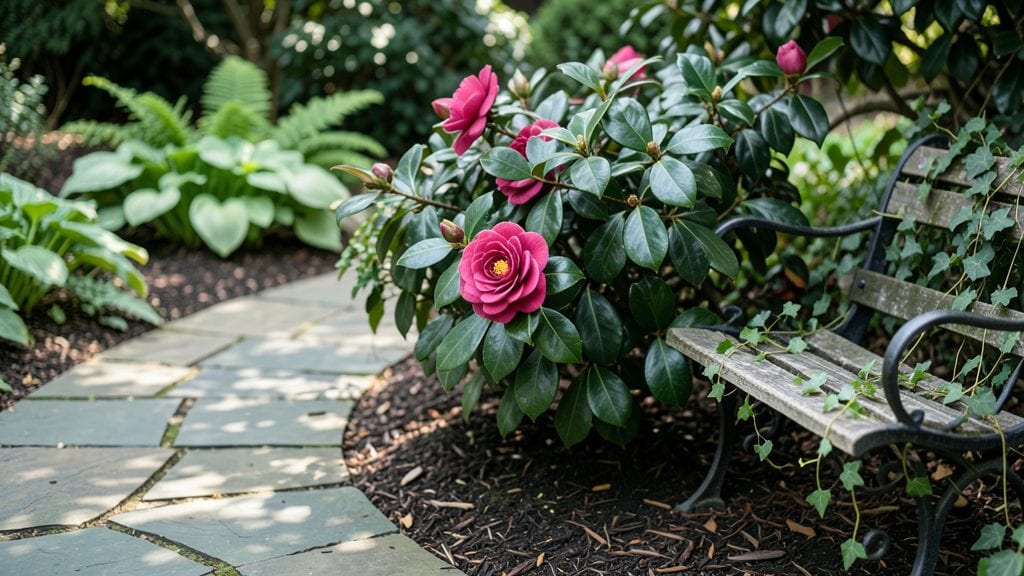
The beautiful secret gardens I love aren’t just hidden—they’re sensory experiences waiting to unfold. 🌿 I stumbled upon this idea after filling a shady corner with fragrant herbs and flowering perennials that smelled like a stroll through a storybook.
The magic happens when you layer plants that bloom at different times, creating a perfume that lingers from spring through frost.
You don’t need a sprawling backyard—just a tucked-away spot with partial shade and a little creativity. Think vertical trellises for climbing roses, low-growing lavender along pathways, and dwarf boxwoods to frame the space. The key is mixing evergreens for structure with seasonal bloomers like peonies, clematis, and sweet alyssum.
By midsummer, you’ll have a garden that feels like a private retreat—where every step releases a new scent and every corner reveals another surprise. The best part? It stays lush and fragrant with minimal effort once established. Let’s turn that forgotten corner into something extraordinary.
Works for balconies, courtyard nooks, or even a secluded backyard alcove. The possibilities are as endless as the fragrances you can layer. Here’s how to start small and grow big on scent.
📚 In This Guide
- What you need
- Instructions
- Tips and common mistakes
- Wrapping up and next steps
What you need
- ● Plants for Layered Fragrance: 1–3 shrubs (e.g., Lavender, Jasmine, or Gardenia) – for structure and height.
- ● 5–10 perennial herbs (e.g., Rosemary, Thyme, Mint) – hardy and fragrant.
- ● 15–20 annuals (e.g., Sweet Alyssum, Nasturtium, Marigold) – for seasonal bursts of scent.
- ● 3–5 climbing plants (e.g., Clematis, Honeysuckle) – for vertical fragrance.
- ● Soil & Amendments: 50 lbs well-draining potting mix (or garden soil + compost).
- ● 10 lbs organic compost or worm castings.
- ○ Optional: Slow-release fertilizer (e.g., Osmocote) for nutrient boosts.
- ● Containers & Structures: 3–5 containers (terracotta pots, wooden boxes, or raised beds—sizes vary by plant).
- ● 1–2 trellises or obelisks (for climbing plants, 6–8 ft tall).
- ○ Optional: Arbors or pergolas for a whimsical touch.
- ● Tools: 1 garden trowel (for planting).
- ● 1 pruning shears (for shaping and maintenance).
- ● 1 watering can (or hose with gentle nozzle).
- ● 1 gloves (to protect your hands from thorns or soil).
- ● Location: Choose a spot with 6+ hours of sunlight daily (adjust for shade-loving plants like Lobelia or Ferns).
- ● Watering Plan: Drip irrigation or a self-watering system keeps fragrance plants thriving with minimal effort. 💡
- ● Fragrance Zones: Group plants by scent intensity—place strong fragrancers (like Lavender) near seating areas, and lighter scents (like Sweet Alyssum) along pathways.
- ● Seasonal Swaps: Rotate plants every 3–4 months to extend blooming and scent cycles. Think of it like a perfume bouquet that never fades!
How to design a layered fragrance garden that blooms season after season
Here's the method I've perfected for creating lush, scent-rich havens that thrive with minimal effort.
🌿 Step 1: Plan Your Fragrance Layers by Seasonal Interest
Start by selecting plants that overlap in bloom time but offer diverse fragrances. I divide my design into three scent layers: top (tall, airy blooms), middle (mid-height fragrance), and ground cover (low, spreading aromatics). For spring, I use daphne for its intoxicating early bloom, jasmine for mid-season perfume, and sweet woodruff for ground-level freshness.
Sketch your space with north/south orientation in mind—fragrant plants like lavender and rosemary need full sun, while freesia and lily of the valley thrive in partial shade. Note wind patterns too; scent trails best when planted downwind from seating areas. Real talk: I once placed my strongest fragrances in the wrong spot and spent a summer inhaling nothing but lavender on my porch instead of my garden.
🪴 Step 2: Prepare Soil for Continuous Blooming
Amend your native soil with 3 gallons of compost and 1 gallon of perlite to improve drainage and aeration—fragrant plants hate soggy roots. I test soil pH first (aim for 6.0-7.0) because many scent plants like hydrangeas and gardenia are acid-lovers. Mix everything thoroughly to 12 inches deep—this ensures roots access nutrients throughout the growing season.
Add 1 cup of bone meal at planting time for phosphorus, which fuels both root development and flower production. The key here is patience: let the amended soil sit for 2-3 weeks before planting. This gives microbes time to colonize and break down organic matter, creating a living soil ecosystem that supports continuous blooming.
☀️ Step 3: Plant in Successive Waves for Month-Long Fragrance
Begin with spring-blooming bulbs like daffodils and snowdrops for early scent, then layer in perennial favorites like peony and rose for mid-season, finishing with fall-blooming asters and chrysanthemums for late fragrance. Space plants according to their mature size—3 feet apart for shrubs like mock orange, 18 inches for perennials like lavender, and 12 inches for ground covers.
Here's the thing—I plant 30% of each fragrance type in clusters rather than evenly spaced. This creates concentrated scent pockets where you can really inhale the aroma. For example, I place 5 jasmine vines together near a seating area instead of spacing them out. The result? A wall of fragrance when you brush past, rather than scattered whiffs.
💧 Step 4: Water Deeply and Mulch for Scent Preservation
Water deeply once weekly (until 6 inches of soil feels moist) rather than frequent light waterings. Fragrant plants develop stronger aromas when they experience natural drought cycles between waterings. Apply 2 inches of mulch (I use cypress mulch) immediately after planting to retain moisture and regulate soil temperature—this is non-negotiable for scent plants.
I always water in the early morning to allow foliage to dry before evening, preventing fungal diseases that can weaken plants and dull their fragrance. The mulch layer also suppresses weeds, which compete with your scent plants for nutrients and water. After a few months, you'll notice the mulch breaks down slightly—this is perfect, as it adds organic matter back to the soil.
✂️ Step 5: Prune Strategically to Prolong Blooming
Deadhead spent blooms immediately to encourage reblooming, but leave some seed heads on dahlias and coneflowers for winter interest. I prune woody stems in early spring, cutting back one-third of the plant's height to stimulate new growth. For roses, I use the "selective thinning" method—removing only the oldest canes while leaving younger ones to carry the plant through the season.
This is where it gets fun: I save pruned stems from fragrant plants like lavender and rosemary in a vase with water. The cut stems release their scent into the water, creating an instant fragrant bouquet that lasts 5-7 days. It's a zero-waste way to enjoy your garden's perfume even when you're indoors.
Tips & tricks for beautiful secret gardens
A few game-changing strategies that'll transform your fragrance garden from ordinary to extraordinary.
Layering Secret: When planning your scent layers in Step 1, consider adding one evergreen shrub like boxwood or holly to the top layer. These provide year-round structure and subtle fragrance, creating a "backbone" that ties all seasons together. I've found that evergreens also help mask any scent gaps between seasonal bloomers. Think of them as the unsung heroes that keep your garden smelling magical even in winter.
Soil Prep Pro Tip: In Step 2, don't stop at the 12-inch soil amendment depth—extend it to 18 inches for perennial plants like roses and hydrangeas. Their roots grow deep, and this extra depth ensures they'll have access to nutrients throughout their entire growing season. I use a broadfork to loosen the soil without disturbing the soil structure, creating perfect channels for root growth. This investment in soil prep pays off with stronger, more fragrant plants that bloom longer.
Planting Strategy: For Step 3's clustering technique, I recommend creating two scent zones in your garden: one near seating areas where you can fully enjoy the fragrance, and another more subtle zone along pathways. In the seating zone, I plant 5-7 jasmine vines together with 3 peonies and 2 roses—this creates an intoxicating cloud of scent when you sit down. The pathway zone gets more spaced plants to create a gentle, lingering fragrance as you walk by. This dual approach gives you both dramatic and subtle scent experiences.
Watering Wisdom: The deep watering technique in Step 4 works best when you combine it with a drip irrigation system set to deliver water 1 inch per week. This ensures consistent moisture without the risk of overwatering. I've found that fragrant plants like gardenia and jasmine actually produce more intense aromas when they experience these natural dry-down periods between waterings. The key is to check soil moisture at 6 inches deep—if it's dry, it's time to water again. This method prevents the fungal issues that can dull plant fragrance.
Pro Tips for Beautiful Secret Gardens
- A few game-changing strategies that'll transform your fragrance garden from ordinary to extraordinary.
- Layering Secret: When planning your scent layers in Step 1, consider adding one evergreen shrub like boxwood or holly to the top layer.
- Soil Prep Pro Tip: In Step 2, don't stop at the 12-inch soil amendment depth—extend it to 18 inches for perennial plants like roses and hydrangeas.
Frequently asked questions
How do I create a layered fragrance garden in a small space?
Use vertical gardening! Plant fragrant herbs like lavender and rosemary in hanging pots or trellises, and layer them with low-growing plants such as thyme or mint. Even a tiny balcony or windowsill can become a fragrant oasis with the right combinations.
When is the best time to plant for continuous blooms?
For year-round fragrance, plant early spring and late summer. Cool-season herbs (e.g., chives, borage) thrive in spring/fall, while warm-season bloomers (e.g., jasmine, honeysuckle) love summer heat. Succession planting ensures no fragrance gaps!
Can I use edible plants in my secret garden?
Many fragrant edibles—like basil, cilantro, or lemongrass—double as culinary stars. Just avoid mixing strong scents (e.g., mint) with delicate plants. Group them separately to prevent overpowering flavors or growth issues.
What if my garden isn’t blooming as expected?
Check sunlight, water, and soil first! Most fragrant plants need 6+ hours of sun daily. Overwatering or poor drainage can stunt growth. Try adding compost or mulch to retain moisture and nutrients—patience is key!
Are there low-maintenance alternatives to traditional flowers?
Yes! Drought-tolerant plants like Russian sage or catmint release fragrance with minimal care. Even citrus trees (e.g., Meyer lemon) offer year-round scent with occasional pruning. Choose native plants for extra resilience!
Wrapping up and next steps
Creating your own secret garden filled with layered fragrances that bloom month after month is a rewarding journey—one that transforms even the smallest space into a sensory paradise. 🌿✨ Whether you’re a seasoned gardener or a curious beginner, the key lies in thoughtful plant pairings, seasonal planning, and a touch of patience.
The magic happens when you let nature’s scents unfold, one petal and leaf at a time.
Now that you’re armed with the materials, tips, and answers to common questions, it’s time to roll up your sleeves and start planting! Begin with just one or two plants—maybe a fragrant rose bush or a low-maintenance lavender patch—and watch as your garden grows into a blooming, aromatic haven.
Happy gardening!