
Advice
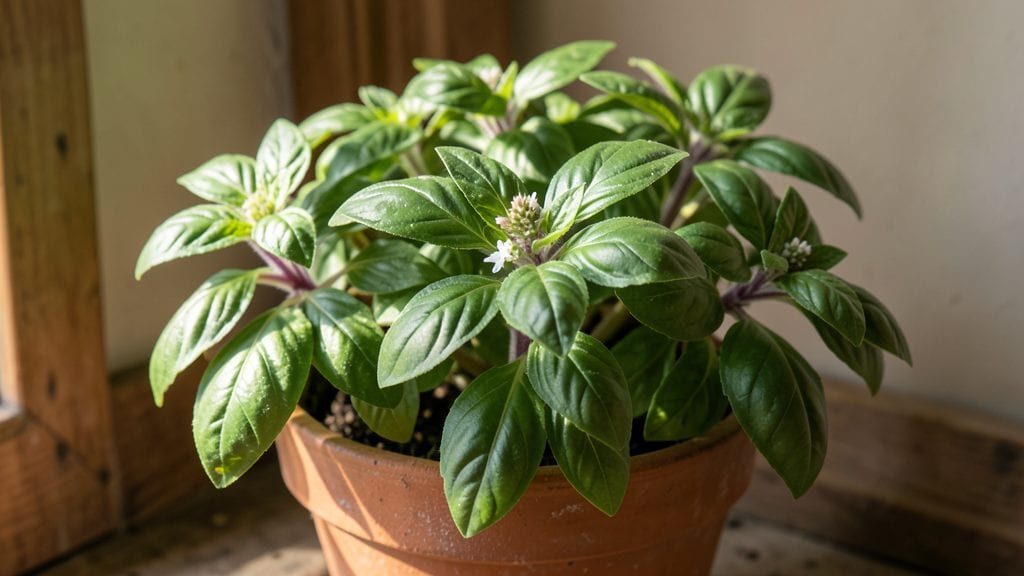
Here are some basil gardening tips you won’t find in seed packets—because the secret to bushy, fragrant plants in just 6-8 weeks isn’t fancy tools, but sunlight, soil, and a few clever tricks. 🌱 pruning routine that most gardeners overlook.
My plants now produce pounds of leaves all season, not just a few sad stems.
Start with well-draining potting mix in containers at least 6 inches deep, place them in 6+ hours of morning sun, and water when the top inch feels dry. The real game-changer?
Pinching off the top leaves when plants hit 6 inches tall—this forces them to branch out into thick, flavorful bushes. Even beginners can nail this with just a pair of clean scissors and consistent care.
📚 In This Guide
- What you need
- Instructions
- Tips and common mistakes
- Wrapping up and next steps
What you need
- ● Basil Seeds or Seedlings: Seeds: 1–2 packets (50–100 seeds) for direct sowing
- ● OR Seedlings: 3–5 healthy plants (check for vibrant green leaves)
- ● Growing Containers or Garden Bed: Containers: 6–12" deep pots (1–2 plants per 6" pot) with drainage holes
- ● OR Garden bed: Well-draining soil, 12–18" spacing between plants
- ● High-Quality Potting Mix: 1–2 bags (1–2 cubic feet) of lightweight, well-draining mix (add perlite or vermiculite if needed)
- ● Watering Can or Hose: With a gentle spray nozzle (to avoid disturbing seedlings)
- ● Fertilizer: Balanced liquid fertilizer (10-10-10 or 20-20-20) or organic options like compost tea or fish emulsion
- ● Pruning shears (for harvesting and shaping)
- ● Garden gloves (to protect your hands)
- ● pH testing kit (ideal soil pH: 6.0–7.0)
- ● Mulch (straw or shredded leaves to retain moisture)
- ● Shade cloth (if growing in hot climates)
- ● Sunlight: 6–8 hours of direct sunlight daily (south-facing windows or outdoor spots work best)
- ● Temperature: Ideal range: 70–80°F (60°F minimum; basil bolts in heat >90°F)
- ● Humidity: Moderate to high (mist seedlings if air is dry)
Instructions: how to grow basil like a pro in just weeks
Here's the method I swear by for lush, aromatic basil that grows fast and stays productive all season.
🌱 Step 1: Start Seeds Indoors with Warmth and Moisture
Fill 4 seed-starting cells with the seed-starting mix to the brim, then gently press down to remove air pockets. Basil seeds germinate best at 75-80°F, so place the tray on a seedling heat mat if your home runs cooler. Moisten the soil until it's damp but not soggy—think of a wrung-out sponge.
Sow 2 seeds per cell at a depth of ¼ inch, then cover lightly with extra mix. Mist the surface with a spray bottle until evenly damp. Place a humidity dome over the tray to trap warmth and moisture. Check daily but resist opening it until 50% of seeds sprout—usually 7-10 days. Overwatering now causes damping-off, which kills seedlings overnight.
☀️ Step 2: Move to Bright Light Immediately After Germination
The instant you see tiny green hooks breaking through the soil, remove the humidity dome and position seedlings under a grow light 2-3 inches above them. Basil needs 14-16 hours of light daily—a south-facing window alone won't cut it. You'll spot leggy growth (thin, pale stems) if the light's too far away.
Raise the light as plants grow to maintain that 2-3 inch gap. Rotate the tray a quarter turn daily so stems grow straight, not lopsided. After 3-4 weeks, seedlings should have 3-4 true leaves—that's your cue to transplant. Harden them off by placing outside for 1 hour daily over 5 days before moving to the garden.
🪴 Step 3: Transplant to Containers with Full Sun Exposure
Fill 4-inch pots with potting mix amended with compost, leaving ½ inch below the rim. Gently remove seedlings from their cells, keeping roots intact, and plant one per pot. Press soil firmly around the base to eliminate air gaps. Water deeply until it drains from the bottom holes—you'll know it's enough when water pools on the saucer for 5 seconds before absorbing.
Place pots in a spot with 6+ hours of direct sun—morning sun is ideal to prevent leaf scorch. Basil thrives in 65-80°F but wilts in heat above 90°F. If leaves yellow or droop, move to partial shade and water early morning to avoid fungal issues. Pinch off the top set of leaves when plants reach 6 inches to encourage bushier growth.
💧 Step 4: Water and Feed for Rapid, Fragrant Growth
Keep soil consistently moist—stick your finger 1 inch deep daily. Water at the base, avoiding leaves to prevent disease. Basil hates soggy roots but also wilts quickly when dry. You'll see crisp, dark green leaves when moisture is perfect.
Fertilize every 2 weeks with liquid fertilizer diluted to half strength. Stop feeding 2 weeks before harvest to boost flavor. Harvest regularly by snipping the top 2-3 inches of stems just above a leaf pair. This pruning triggers bushier growth and prevents flowering, which turns leaves bitter. With this method, you'll have 4 full harvests in 8 weeks.
Tips & tricks for fast-growing basil plants
These insider tricks will help you bypass common pitfalls and get basil that grows twice as fast with maximum flavor.
Germination Temperature: The 75-80°F range is non-negotiable for basil seeds—any cooler and they'll take weeks to sprout. If your home runs chilly, invest in a seedling heat mat ($15) or place the tray on top of your fridge. I've seen germination times cut from 2 weeks to just 5 days when using this trick. The key is maintaining consistent warmth during those critical first 7-10 days.
Light Placement Secret: Those 14-16 hours of light aren't just about duration—the distance matters too. Position your grow light 2-3 inches above seedlings, but adjust as they grow. I use a simple ruler to measure—any higher than 3 inches and you'll get leggy, weak stems that flop over. Rotate the tray daily to prevent lopsided growth, which happens when plants lean toward the light source.
Transplanting Hack: When moving seedlings to 4-inch pots, I make a small trench around each root ball before pressing soil firmly. This creates better root-to-soil contact right away. Water until you see water pooling on the saucer for 5 seconds—this ensures the roots get fully hydrated without being waterlogged. The 6-inch pinch point is crucial: wait until you see that second set of true leaves before snipping.
Harvest Timing: The 2-3 inch snip rule works wonders for bushiness, but timing matters. Always harvest in the morning after dew has dried but before the sun gets too intense. I've found that harvesting every 3-4 weeks (rather than waiting for full maturity) keeps plants producing continuously. The key is to never take more than 1/3 of the plant at once—this maintains growth momentum.
Pro Tips for Basil Gardening Tips
- These insider tricks will help you bypass common pitfalls and get basil that grows twice as fast with maximum flavor.
- Germination Temperature: The 75-80°F range is non-negotiable for basil seeds—any cooler and they'll take weeks to sprout.
- Light Placement Secret: Those 14-16 hours of light aren't just about duration—the distance matters too.
Frequently asked questions
Got questions about growing basil like a pro?
Here are answers to the most common queries—so you can troubleshoot, time your harvests, and keep your plants thriving!
When is the best time to plant basil?
Basil thrives in warm soil (at least 50°F/10°C) and full sun (6+ hours daily). Plant after the last frost in spring or start indoors 6–8 weeks before the last frost. In warm climates, you can even grow it year-round! For containers, ensure they’re at least 6 inches deep with drainage holes.
How often should I water basil?
Keep the soil consistently moist but not soggy—basil hates drought stress. Water at the base (avoid wetting leaves to prevent disease) when the top inch of soil feels dry. In hot weather, water daily; in cooler months, every 2–3 days. Pro tip: Mulch around plants to retain moisture!
What are the most common basil pests, and how do I fix them?
Watch for aphids, spider mites, or whiteflies—they love basil! For mild infestations, spray leaves with a mix of 1 tsp dish soap + 1 quart water. For severe issues, use neem oil or introduce ladybugs. Prevent pests by pruning regularly for airflow and avoiding overhead watering.
How do I prune basil to encourage bushier growth?
Pinch off the top set of leaves (above a pair of lower leaves) when the plant is 6–8 inches tall. This encourages branching and prevents legginess. Repeat every 2–3 weeks! Bonus: Use pruned stems in cooking or propagate new plants in water.
Can I grow basil indoors without sunlight?
Yes! Place your basil near a south-facing window (6+ hours of light) or use a grow light (12–16 hours/day). If leaves yellow or stretch, it’s a sign of light deprivation. Rotate the pot weekly for even growth. Pro tip: A sunny windowsill + occasional outdoor time boosts flavor!
Why is my basil turning yellow or wilted?
Yellow leaves often mean overwatering or poor drainage—let the soil dry slightly between waterings. Wilting can signal underwatering or root rot (check for mushy roots). If the stems are mushy, repot in fresh, dry soil. Fix fast: Trim damaged leaves and adjust watering habits.
Wrapping up and next steps
Growing lush, fragrant basil is simpler than you think—just follow the sunlight, soil, and spacing secrets we’ve shared! With patience and a little TLC, you’ll soon enjoy a thriving herb garden bursting with flavor. 🌿
Ready to take the next step? Start small:
- Pick 1-2 plants to experiment with the tips above.
- Harvest leaves regularly to encourage bushier growth.
- Share your progress (or questions!) in the comments—we’re here to cheer you on!
Your kitchen—and taste buds—will thank you! 🍅😊