
Tools
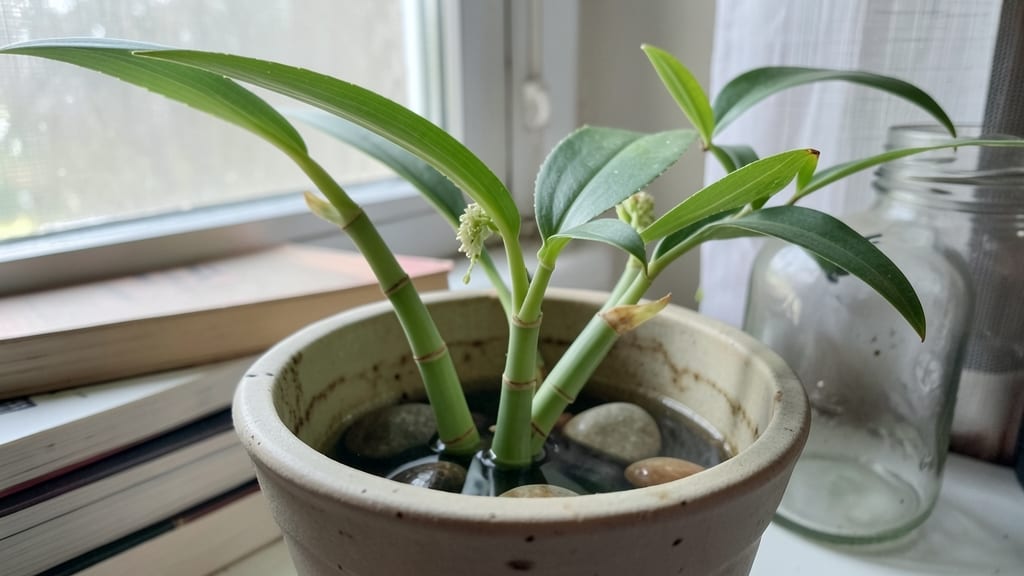
The bamboo start garden can transform your yard into a lush, living privacy screen that feels like a tropical retreat. 🌿 I remember planting mine along the fence line, and within two seasons, it became a windbreak and a stunning focal point that neighbors admired.
The key is choosing the right variety—clumping bamboo stays contained while running types spread aggressively, so pick based on your yard size and patience level.
You’ll need 10-20 poles (depending on height goals) and a simple trench system to guide roots. Most bamboo thrives in partial shade but tolerates full sun if kept moist. Pair it with hostas or ferns for a layered look, or let it stand alone for a bold statement.
The best part? It grows 6-12 inches per year, so your screen matures naturally without constant maintenance.
By summer, you’ll have a 10-foot-tall living wall that blocks noise, filters wind, and adds value to your home. The rustling leaves create a soothing soundtrack, and the vertical growth draws the eye upward, making spaces feel larger.
Plus, bamboo’s natural density means no gaps for neighbors to peek through—just privacy with a touch of elegance.
Works for urban backyards, suburban borders, or even as a rustic patio divider. The only rule? Start small—you can always add more poles later. Let’s design your living screen!
📚 In This Guide
- What you need
- Instructions
- Tips and common mistakes
- Wrapping up and next steps
What you need
- ● Bamboo plants: 10–20 clumping bamboo shoots (e.g., Fargesia or Phyllostachys varieties, depending on your climate). Pro tip: Choose disease-resistant types for low-maintenance growth! 🌱
- ● Soil: 1–2 cubic yards of well-draining, slightly acidic soil (pH 5.5–6.5). Mix in compost (1 part compost to 3 parts soil) for nutrients.
- ● Mulch: 2–3 bags of organic mulch (e.g., wood chips or straw) to retain moisture and suppress weeds.
- ● Watering system: A soaker hose or drip irrigation kit (essential for consistent moisture, especially in the first year).
- ● Fertilizer: Slow-release balanced fertilizer (10-10-10 or 20-20-20) or organic options like fish emulsion.
- ● Stakes or trellis: 5–10 wooden or bamboo stakes (4–6 ft tall) to support young plants until established.
- ● Garden shovel and trowel for planting.
- ● Measuring tape and stakes to mark planting locations (space bamboo 3–6 ft apart, depending on variety).
- ○ Pruners or loppers for trimming (optional but helpful for shaping).
- ● Gloves (to protect your hands from sharp bamboo edges!).
- ● Wheelbarrow (for hauling soil and mulch).
- ● Sunlight: Choose a spot with partial shade to full sun (6+ hours/day for most bamboo varieties).
- ● Space: Ensure your yard has enough room for mature height/width (e.g., 6–12 ft tall × 6–10 ft wide per plant).
- ● Water access: A nearby hose or irrigation source for regular watering.
- ● Permit check: Verify local regulations—some areas restrict invasive bamboo species! 🚫
- ● Root barrier: Landscape fabric or plastic (if using running bamboo to contain roots).
- ● Edging: Decorative stones or metal edging to define the garden’s borders.
- ● Plant food: Liquid seaweed fertilizer for a growth boost.
- ● Decorative accents: Solar-powered lights or garden stakes for a polished look.
Step-by-step instructions for planting a bamboo privacy screen
Here's how to create a lush, natural privacy screen that grows taller every year with minimal effort.
🌱 Step 1: Choose the Right Bamboo Species and Location
Select clumping bamboo varieties like Fargesia or Bambusa multiplex—they stay contained and won't spread invasively. Avoid running bamboo unless you have a dedicated root barrier. Plant in partial shade to full sun, but protect from harsh afternoon sun in hot climates.
Test your soil pH—bamboo thrives in slightly acidic to neutral soil (6.0-7.0). If your soil is heavy clay, amend with 2-3 inches of compost mixed into the top 12 inches of soil. Dig a hole twice as wide as the root ball but only as deep as the container it came in.
🪴 Step 2: Plant Bamboo in a Prepared Trench or Hole
For a 4-foot-wide screen, dig a trench 12 inches deep and 4 feet wide along your desired line. Space plants 3-5 feet apart—closer spacing fills gaps faster but requires more pruning. Place each plant so the top of the root ball sits 1 inch below soil level to encourage root spread.
Backfill with native soil mixed with 1 part compost to improve drainage. Water deeply to settle the soil and remove air pockets. Press gently around the base to eliminate gaps, but don’t compact the soil—bamboo roots need air to breathe.
💧 Step 3: Water and Mulch for Establishment
Keep the soil consistently moist for the first 6-8 weeks—water 1-2 inches per week during dry spells. Use a soaker hose to avoid wetting leaves, which prevents fungal diseases. After establishment, bamboo tolerates drought but grows faster with regular deep watering during dry periods.
Apply 3 inches of mulch (wood chips or shredded bark) around each plant, keeping it 6 inches away from the stem. Mulch conserves moisture, regulates soil temperature, and suppresses weeds. Replenish mulch annually to maintain its protective layer.
✂️ Step 4: Prune and Maintain for Density
Prune in early spring before new growth appears. Cut back one-third of the oldest canes at ground level to encourage fresh, vigorous growth. Remove any dead or diseased canes immediately. For a tidy look, trim new shoots to 6-8 feet tall in late summer—this prevents overgrowth and maintains your desired height.
Fertilize in early spring with a balanced 10-10-10 fertilizer applied at ½ the recommended rate. Over-fertilizing leads to weak, leggy growth. Monitor for pests like aphids or spider mites—spray with neem oil if you spot them, but bamboo is generally pest-resistant.
☀️ Step 5: Monitor Growth and Adjust as Needed
Bamboo grows 2-3 feet per year, so your screen will fill in quickly. If gaps appear, plant additional clumps in early spring. For a taller screen, plant 6-foot-tall varieties in the back row and 3-4 foot varieties in front. Rotate plants occasionally if they lean toward the sun—just dig, reposition, and water.
By year 3, your bamboo screen should provide full privacy. To keep it manageable, prune annually and watch for signs of stress like yellowing leaves—this usually means overwatering or poor drainage. Adjust your care routine accordingly, and your screen will thrive for decades.
Tips & tricks for perfect bamboo privacy screens
Here's what I've learned after helping clients transform their yards with these stunning, low-maintenance screens.
Species Selection Matters: When choosing between Fargesia and Bambusa multiplex, consider your climate. Fargesia handles colder winters better (down to -10°F) while Bambusa multiplex thrives in warmer zones. I always check the hardiness zone on the plant tag—this prevents future disappointment when bamboo fails to thrive.
Soil Prep is Non-Negotiable: That 2-3 inches of compost in the top 12 inches of soil isn't just nice—it's essential for drainage. I've seen bamboo plants struggle in heavy clay because roots can't breathe. If you're unsure about your soil type, do the jar test: fill a jar with soil and water, then observe how quickly water drains. Slow drainage means you need more compost.
Planting Depth is Critical: Positioning the root ball with the top 1 inch below soil level might seem counterintuitive, but it encourages stronger root spread. I've seen plants that were planted too deep develop weak stems that flop over in wind. The key is to create that slight mound at the base—it prevents water pooling around the stem.
Watering Wisdom: Those first 6-8 weeks are critical for root establishment. I recommend setting a timer for your soaker hose—bamboo roots need consistent moisture without becoming waterlogged. After establishment, you can reduce to deep watering every 1-2 weeks during dry spells, but never let the soil dry out completely. The roots will thank you with faster growth.
Pro Tips for Bamboo Start Garden
- Here's what I've learned after helping clients transform their yards with these stunning, low-maintenance screens.
- Species Selection Matters: When choosing between Fargesia and Bambusa multiplex, consider your climate.
- Soil Prep is Non-Negotiable: That 2-3 inches of compost in the top 12 inches of soil isn't just nice—it's essential for drainage.
Frequently asked questions
Got questions about starting your own bamboo start garden? Here are some of the most common ones—plus quick, practical answers to help you get growing with confidence!
How long does it take for a bamboo privacy screen to reach full height?
A bamboo start garden typically reaches full height (10–30 feet, depending on the variety) in 3–5 years. Clumping bamboo grows slower (about 1–2 feet per year), while running bamboo can spread faster but may need containment. Patience pays off—your privacy screen will grow with your yard!
How much water does bamboo need to thrive?
Bamboo loves moisture but hates soggy roots. Water deeply 2–3 times per week during the first year, then taper to 1–2 times weekly once established. Mulch around the base to retain moisture, and avoid overhead watering to prevent fungal issues. Pro tip: Test soil moisture—stick your finger 2 inches down; if dry, it’s time to water!
Can I plant bamboo in containers instead of the ground?
Clumping bamboo
(like Fargesia) thrives in large containers (15+ gallons) with drainage holes. Running bamboo (e.g., Phyllostachys) can also work in containers but requires root pruning every 2–3 years to control spread. Use a soil mix with 30% perlite and repot every 3–4 years for best results.
How do I stop bamboo from spreading into my neighbor’s yard?
Running bamboo is notorious for invasive roots! Contain it with:
- Underground root barriers (HDPE plastic, 2–3 feet deep)
- Regular rhizome trimming (cut roots back annually)
- Planting clumping bamboo (non-invasive varieties)
What’s the best time of year to plant bamboo?
Spring or early fall is ideal! Avoid extreme heat or frost—bamboo struggles to establish in harsh conditions. For container starts, you can plant year-round in mild climates, but water consistently to reduce transplant shock. Bonus: Plant in partial shade for faster growth and lush foliage.
Wrapping up and next steps
Starting a bamboo start garden is a fantastic way to add natural beauty, privacy, and sustainability to your outdoor space—without the hassle of invasive species! 🌿 Whether you’re a beginner or a seasoned gardener, these fast-growing, low-maintenance plants will transform your yard into a serene retreat in no time.
The key is patience, preparation, and a little creativity.
Ready to take the next step? Pick your bamboo variety, gather your tools, and plant with confidence. Watch as your privacy screen thrives—and enjoy the peaceful, lush results for years to come! 🌱✨