Container Gardens
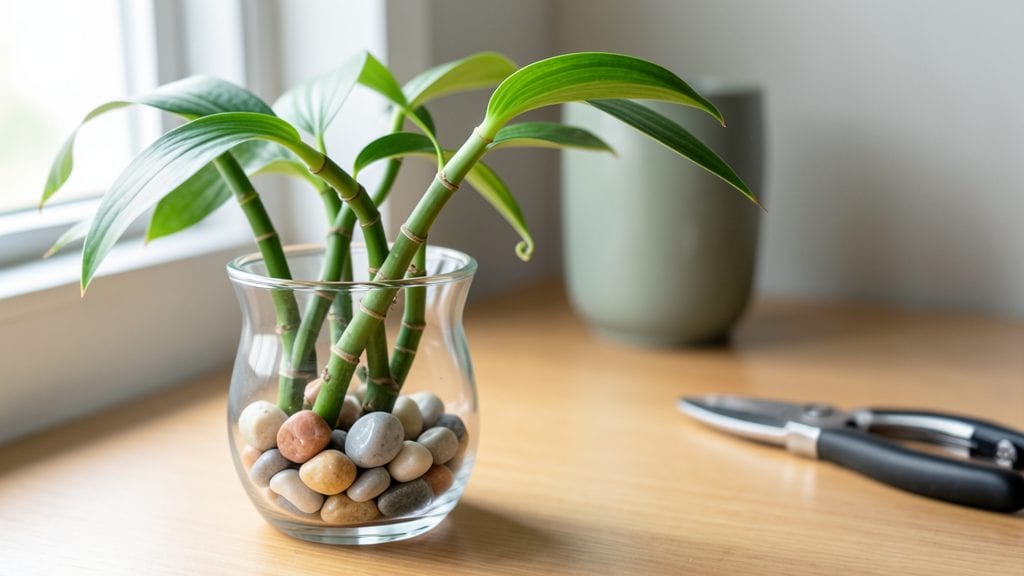
A bamboo container garden turns vertical space into a lush privacy screen that thrives year-round. 🌿 I learned the hard way that not all bamboo suits pots—some varieties grow like weeds, while others stay perfectly contained.
The right setup lets you create a striking, low-maintenance garden that blocks noise, filters wind, and adds tropical flair without taking up precious ground space.
Start with clumping bamboo varieties like Bambusa multiplex or Fargesia species—they stay compact and won’t invade your yard. You’ll need containers with drainage, at least 12 inches wide and 24 inches deep for mature plants, plus a sturdy stand or trellis to elevate them.
Grouping three to five plants in a staggered arrangement creates that signature bamboo curtain effect, but with the flexibility to move them around as your space evolves.
By late summer, you’ll have a 6-foot-tall living screen that stays green through winter, with minimal care. The rustling leaves add white noise that drowns out city sounds, and the dappled shade cools hot patios.
Plus, bamboo’s air-purifying qualities make it a double win for urban gardens. The key? Pruning once a year to keep the shape tidy and watering deeply but infrequently—these plants hate soggy roots.
This works equally well on balconies, along fences, or tucked into corners of small yards. For extra drama, pair with climbing vines or trailing plants to soften the bamboo’s upright lines.
Once you’ve mastered the basics, you can experiment with lighting or seasonal accents—like adding solar-powered fairy lights for evening ambiance. Let’s get growing!
📚 In This Guide
- What you need
- Instructions
- Tips and common mistakes
- Wrapping up and next steps
What you need
- ● Bamboo plants: 3–5 clumps (depending on desired height and density). Opt for running bamboo (like Phyllostachys varieties) for faster growth or clumping bamboo (like Bambusa) for easier containment.
- ● Large container: A 5–15 gallon pot with drainage holes (minimum 12" diameter for small clumps, 18"+ for larger setups). Terracotta or fiberglass works best for heat retention.
- ● Potting mix: A well-draining blend—mix 50% peat moss or coco coir, 30% perlite or pumice, and 20% compost for optimal aeration.
- ● Root barrier: A plastic or fabric root barrier (e.g., Bamboo Barrier fabric or a thick plastic sheet) to prevent roots from escaping (critical for running bamboo!).
- ● Gravel or rocks: 1–2 inches of small pebbles or crushed stone for drainage at the container’s base.
- ● Watering can or hose: With a gentle spray nozzle for even moisture distribution.
- ● Pruning shears: Sharp, clean shears for trimming and shaping.
- ● Gloves: Heavy-duty gardening gloves to protect your hands from sharp bamboo edges.
- ● Decorative stones or mulch: For a polished look (e.g., volcanic rock or cypress mulch to suppress weeds).
- ● Container liner: A plastic nursery pot (slightly smaller than your container) to make cleanup easier.
- ● Fertilizer: A slow-release bamboo fertilizer (like 10-10-10 NPK) or organic options such as fish emulsion.
- ● Stakes or trellis: For training taller bamboo varieties or adding vertical interest.
- ● Solar-powered LED lights: To highlight your garden at night (bamboo glows beautifully!).
- ● A sunny or partially shaded spot (bamboo thrives in 4–6 hours of sunlight daily).
- ● Access to a water source—bamboo loves consistent moisture but hates soggy roots!
- ● Patience! Bamboo grows fast (some varieties up to 3 feet per year), so plan for long-term placement.
Step-by-step instructions for building a bamboo container garden
Here’s how to create a lush, vertical privacy screen that thrives year-round—no green thumb required.
🪴 Step 1: Choose and Prepare Your Bamboo Containers
Select 4 bamboo planters (or more for wider coverage) with built-in drainage holes. I like the 24-inch tall variety—they provide enough depth for root systems while keeping the overall look sleek. Before planting, rinse each container with warm water to remove any dust or debris from manufacturing. This prevents clogging the drainage holes later.
Place the planters side by side in your desired location, leaving 2-3 inches between them. This gap allows for airflow and makes future maintenance easier. If your space gets strong afternoon sun, position the containers where they’ll receive 4-6 hours of filtered light daily. Too much direct sun can scorch tender bamboo varieties.
🌱 Step 2: Fill with Lightweight, Well-Draining Soil Mix
Fill each container ¾ full with the 10 gallons of bamboo-specific potting mix—this blend is designed to wick away excess moisture while retaining enough humidity for deep-rooted plants. Avoid garden soil; it compacts in containers and suffocates roots. Gently fluff the mix with your hands or a small fork to break up any clumps.
Add 1 cup of slow-release fertilizer to each container and mix it into the top 4-6 inches of soil. This ensures nutrients are available right when roots start exploring. For extra drainage, sprinkle a ½-inch layer of perlite over the soil before adding plants. This prevents waterlogging, which is bamboo’s biggest enemy.
🌿 Step 3: Plant Bamboo Clumps at the Right Depth
Remove each bamboo clump from its nursery pot and gently separate the roots with your fingers. Plant 2-3 clumps per container, spacing them 6-8 inches apart. The crown (where the roots meet the stems) should sit just below the soil line—burying it too deep causes rot, while leaving it exposed leads to weak growth. Press the soil lightly around the roots to eliminate air pockets.
Water immediately after planting until moisture seeps out the drainage holes. This settles the soil and helps roots establish contact. I like to use a watering can with a fine rose attachment—it delivers water gently without disturbing the newly planted clumps. Avoid overhead sprinklers, which can dislodge young plants.
☀️ Step 4: Water and Monitor for First Growth Signs
Keep the soil consistently moist but not soggy for the first 4-6 weeks. Stick your finger 1 inch into the soil—if it feels dry, water again. Bamboo thrives in humidity, so mist the foliage 2-3 times weekly to simulate a tropical environment. This is especially important if your climate is dry or windy.
Watch for new shoots emerging within 2-3 weeks. These will appear as bright green, slender stems pushing through the soil. Once you see 3-4 inches of growth, reduce watering slightly—mature bamboo is drought-tolerant once established. If leaves start yellowing, it’s a sign of overwatering; let the top 2 inches of soil dry out before watering again.
✂️ Step 5: Prune and Maintain for Year-Round Privacy
Trim back any overly leggy canes in early spring to encourage bushier growth. Use clean, sharp pruning shears to cut just above a leaf node (the bump where leaves attach). This redirects energy to side shoots, making your garden denser. Remove any dead or diseased canes immediately to prevent spread.
Fertilize again in late spring and early fall with the remaining 1 cup of slow-release fertilizer. This keeps your bamboo lush without the risk of overfeeding. If your containers start looking crowded after 2-3 years, divide the clumps in early spring and repot half into fresh soil mix. This rejuvenates growth and prevents root-bound stress.
Tips & tricks for perfect bamboo container garden
Creating a thriving bamboo privacy screen doesn't have to be complicated—just a few strategic moves make all the difference.
Container Selection: Those 24-inch tall bamboo planters are perfect for root depth, but don't overlook the importance of drainage holes. If your containers don't have them, drill a few holes in the bottom before planting—this prevents waterlogging that can kill bamboo roots. I've seen bamboo plants die from soggy soil when people skip this step, even with the right potting mix.
Soil Mix Matters: The bamboo-specific potting mix is designed to balance moisture retention with drainage, but you can enhance it further by mixing in 20% perlite if your climate is particularly humid. This extra layer of drainage helps prevent root rot, especially in those first critical 4-6 weeks after planting when roots are establishing. Think of it as giving your bamboo plants insurance against overwatering.
Planting Depth is Critical: Getting the crown placement right at Step 3 is everything—burying it too deep causes rot, while leaving it exposed weakens growth. A simple trick: after planting, gently pull up on the clump. If it resists, you've buried it too deep. If it comes out easily, you need to add a little more soil. The crown should feel snug against the soil surface, like a cozy sweater fitting just right.
Watering Wisdom: That first 4-6 weeks of consistent moisture is non-negotiable, but don't rely solely on the "finger test." I've found that using a moisture meter gives more consistent results—aim for the soil to stay between 40-60% moisture. And remember, misting 2-3 times weekly isn't just about moisture; it's about creating that tropical humidity your bamboo craves, especially in dry climates.
Pro Tips for Bamboo Container Garden
- Creating a thriving bamboo privacy screen doesn't have to be complicated—just a few strategic moves make all the difference.
- Container Selection: Those 24-inch tall bamboo planters are perfect for root depth, but don't overlook the importance of drainage holes.
- Soil Mix Matters: The bamboo-specific potting mix is designed to balance moisture retention with drainage, but you can enhance it further by mixing in 20% perlite if your climate is particularly humid.
Frequently asked questions
Got questions about creating your own bamboo container garden? You're not alone! Here are some of the most common queries—and their answers—to help you get started with confidence.
What’s the best type of bamboo for a container garden?
Opt for clumping bamboo (like Bambusa multiplex or Fargesia species) over running bamboo—it stays contained and won’t spread aggressively. Avoid invasive types like Phyllostachys, which can escape containers and overtake your yard. Always check local regulations, as some areas restrict bamboo growth.
How long does it take for bamboo to grow in a container?
Bamboo grows surprisingly fast! In ideal conditions (sunlight, water, and nutrients), you’ll see noticeable growth within 3–6 months. Dwarf varieties may take slightly longer, but most clumping bamboos can reach maturity (3–10 feet tall) in 1–3 years. Patience pays off—just monitor soil moisture and fertilize lightly every 2–3 months.
How often should I water a bamboo container garden?
Bamboo loves moisture but hates soggy roots. Water when the top 1–2 inches of soil feel dry (usually 2–3 times per week in hot climates, less in cooler weather). Use a container with drainage holes to prevent root rot. Pro tip: Mulch with straw or bark to retain moisture and reduce evaporation.
Can I grow other plants alongside bamboo in a container?
Pair bamboo with shade-tolerant plants like ferns, hostas, or impatiens. Avoid competitive roots (e.g., ivy or aggressive ground covers). If using a large container, layer plants by height—tall bamboo in the back, medium plants in the middle, and trailing foliage (like sweet potato vine) at the edges. Just ensure all plants share similar watering needs.
My bamboo looks yellow or wilted—what’s wrong?
Yellowing leaves often signal overwatering or poor drainage. Let the soil dry slightly between waterings and check for root rot (smelly, mushy roots). Wilting can also mean underwatering or nutrient deficiency. Feed with a balanced fertilizer (10-10-10) in spring and summer, and trim dead fronds to encourage new growth. If the problem persists, repot into fresher soil.
Wrapping up and next steps
A bamboo container garden is your easy, stylish, and sustainable solution for adding lush privacy and year-round greenery to any space! 🌿 With minimal effort and a few key materials, you can transform even a small balcony or patio into a serene retreat.
The best part? It’s low-maintenance and eco-friendly, blending seamlessly into any aesthetic.
Ready to elevate your outdoor space? Start by gathering your supplies, then roll up your sleeves and build your bamboo garden today—your future self (and your neighbors!) will thank you. Check out our step-by-step guide to get started!