Tools
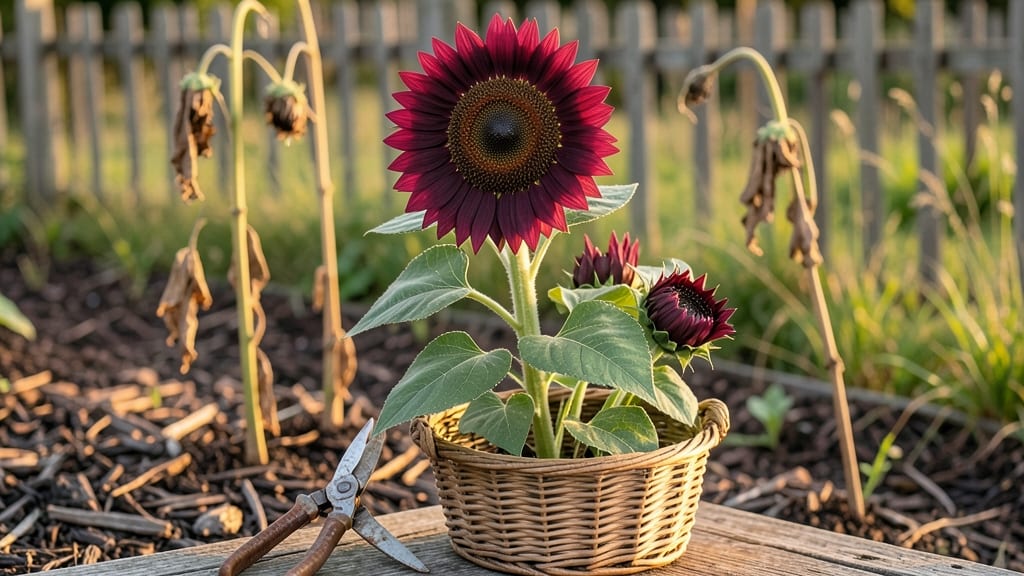
Your late summer garden can still deliver a harvest that rivals spring planting—if you know which herbs and flowers to prioritize now. 🌿 I’ve learned the hard way that late August isn’t too late for basil, cilantro, and snapdragons, but timing matters more than ever this close to frost.
The key is focusing on fast-growing crops that thrive in cooler soil and shorter days, while giving your existing plants the care they need to finish strong.
You’ll need just a few supplies: a small raised bed or containers for new plantings, well-draining potting mix, and a watering can with a gentle spray nozzle.
Most late-summer herbs like dill and parsley grow in 30-45 days, while flowers like cosmos and zinnias bloom within 6-8 weeks—plenty of time for color and harvest before fall. My favorite trick?
Planting basil in pots near the kitchen door so I can snip fresh leaves for cooking all season.
By late September, you’ll have a garden bursting with fragrant herbs for cooking and vibrant flowers that attract pollinators. The basil will stay productive until frost, the snapdragons will add height and color to borders, and your soil will stay enriched from spent summer crops.
This is also the perfect time to start seeds for early fall greens—like spinach and kale—that love the cooler weather ahead.
Works for small balconies, raised beds, or in-ground plots—just adjust spacing for your climate. The only rule? Don’t wait until September to prep. Let’s make the most of these last warm weeks before the garden slows down.
📚 In This Guide
- What you need
- Instructions
- Tips and common mistakes
- Wrapping up and next steps
What you need
- ● Seeds or seedlings: Herbs: Basil (10-15 plants), Thyme (5-7 plants), Oregano (3-5 plants), Parsley (5-7 plants), Cilantro (5-7 plants)
- ● Flowers: Zinnias (10-15 plants), Marigolds (5-7 plants), Cosmos (5-7 plants), Nasturtiums (5-7 plants)
- ● Potting soil: 2-3 bags (1 cubic foot each) of high-quality, well-draining potting mix
- ● Compost: 1 bag (organic compost for enriching soil)
- ● Organic fertilizer: 1 bottle (balanced, 10-10-10 or similar)
- ● Mulch: 1 bag (straw or shredded bark for moisture retention)
- ● Gardening gloves: 1 pair (for protection)
- ● Hand trowel: 1 (for planting and transplanting)
- ● Pruners: 1 pair (for trimming herbs and flowers)
- ● Watering can or hose with spray nozzle: 1 (for gentle watering)
- ○ Garden kneeler: 1 (optional, for comfort)
- ● Container pots or raised bed: 4-6 (5-10 gallon size, with drainage holes)
- ● Sunlight access: 6-8 hours of direct sunlight daily (south-facing spot preferred)
- ● Water source: Easy access to water for consistent hydration
- ● Weather awareness: Check late summer forecasts for heatwaves or rain
- ● Eggshells (crushed, for calcium-rich soil)
- ● Coffee grounds (for acid-loving herbs like basil)
- ● Drip irrigation system (for automated watering)
- ● Decorative garden stones (for aesthetics and weed suppression)
How to create a late summer garden with herbs and flowers
Here's my foolproof plan for a thriving late-summer garden that delivers fresh herbs and vibrant blooms.
🌱 Step 1: Choose the Right Plants for Late Summer
Select heat-tolerant herbs like basil, cilantro, and dill that thrive in 75-85°F temperatures. For flowers, opt for sunflowers, zinnias, or cosmos that bloom prolifically in warm weather. I always check each plant's days-to-maturity label—aim for varieties that mature in 45-60 days so you can harvest before fall frost.
Skip heat-sensitive plants like parsley or lettuce; they'll bolt or wilt under late-summer sun. Instead, focus on resilient picks that reward you with harvests through early fall. Group plants with similar sun needs together to simplify care.
☀️ Step 2: Prepare the Garden Beds for Maximum Growth
Clear the area of weeds and loosen the soil to a depth of 6 inches with a garden fork. Work in 2-3 inches of compost to replenish nutrients after summer's heat. I spread a 1-inch layer of mulch around plants to retain moisture and keep roots cool—critical in late summer when evaporation speeds up.
Test soil moisture before planting. Stick your finger 2 inches deep; if it feels dry, water the bed thoroughly 24 hours ahead of planting. This ensures roots establish quickly without shock. Avoid planting when temperatures exceed 90°F—wait for cooler afternoons.
💧 Step 3: Plant and Water for Immediate Establishment
Dig holes twice as wide as the root ball but no deeper. Gently remove plants from containers, tease apart crowded roots, and place them so the top of the root ball sits level with the soil. Fill gaps with native soil, pressing lightly to eliminate air pockets.
Water deeply right after planting—1 gallon per plant—to settle the soil and encourage root spread. Use a soaker hose or drip irrigation to avoid wetting foliage, which reduces disease risk. Check soil moisture every 2-3 days in late summer; you'll need to water more frequently than in spring.
✂️ Step 4: Maintain Through Harvest Season
Harvest herbs in the morning when oils are most concentrated. Pinch back flower stems just above a leaf node to encourage bushier growth. I always remove spent blooms weekly—this redirects energy to new flowers instead of seed production.
Watch for pests like aphids or spider mites, which thrive in warm, dry conditions. Spray plants with neem oil at the first sign of trouble. Reduce watering slightly as fall approaches, but keep soil consistently moist until the first frost.
🌿 Step 5: Extend the Season with Simple Tricks
Protect tender herbs with floating row covers when nighttime temperatures dip below 50°F. For flowers, cut back faded stems by half their height to stimulate a second flush of blooms before frost. I harvest seeds from favorite flowers to save for next year's garden.
Mark your calendar for the average first frost date in your zone. Most late-summer plants tolerate light frosts, but harvest herbs before temperatures drop below 40°F. Save healthy plants in pots and overwinter indoors if you want to keep growing.
Tips & tricks for perfect late summer garden planting
A few simple strategies will help you create a thriving late-summer garden that delivers fresh herbs and vibrant flowers all season long.
Plant Selection: When choosing your late-summer plants, prioritize varieties with 45-60 day maturity times to ensure you can harvest before fall frost. Look for heat-tolerant herbs like basil and cilantro that thrive in 75-85°F temperatures. For flowers, sunflowers and zinnias are excellent choices—they'll keep blooming right up until the first frost. I always check the plant tag for "days to maturity" to avoid disappointment later in the season.
Soil Preparation: The 6-inch deep soil loosening in Step 2 is crucial for root establishment. Work in 2-3 inches of compost to replenish nutrients after summer's heat, but don't overdo it—too much compost can burn tender roots. I use a garden fork to loosen soil without disturbing the structure too much, creating a perfect environment for your plants to spread their roots. The 1-inch mulch layer helps retain moisture and keeps roots cool during those hot afternoons.
Planting Technique: When planting, dig holes twice as wide as the root ball but no deeper to prevent burying the plant too deeply. Gently tease apart crowded roots before placing them in the hole—this encourages faster root spread. After planting, water deeply with 1 gallon per plant to settle the soil and eliminate air pockets. I always water in the morning so the plants have all day to absorb moisture before the heat of afternoon sun.
Season Extension: To extend your harvest season, protect tender herbs with floating row covers when nighttime temperatures dip below 50°F. For flowers, cut back faded stems by half their height to stimulate a second flush of blooms before frost. I've found that harvesting seeds from favorite flowers gives me a head start on next year's garden while keeping this year's plants productive. Mark your calendar for your local average first frost date—most late-summer plants handle light frosts, but harvest herbs before temperatures drop below 40°F.
Pro Tips for Late Summer Garden
- A few simple strategies will help you create a thriving late-summer garden that delivers fresh herbs and vibrant flowers all season long.
- Plant Selection: When choosing your late-summer plants, prioritize varieties with 45-60 day maturity times to ensure you can harvest before fall frost.
- Soil Preparation: The 6-inch deep soil loosening in Step 2 is crucial for root establishment.
Frequently asked questions
Got questions about maximizing your late summer garden?
Here are answers to the most common ones—whether you're a seasoned gardener or just starting out.
What herbs and flowers thrive best in late summer gardens?
Late summer is perfect for basil, cilantro, dill, and parsley (herbs) and marigolds, zinnias, and cosmos (flowers). These plants love the warmth but still produce well before frost. Pro tip: Choose heat-tolerant varieties like Genovese basil or Heat-Tolerant Zinnias for extra resilience.
When is the best time to plant in late summer?
For most regions, aim to plant herbs and flowers 6–8 weeks before your first frost date (check your USDA zone!). In warmer climates (zones 8–10), you can plant until early October. Pro tip: Start seeds indoors 3–4 weeks before transplanting for a head start.
How do I keep my late summer garden from drying out?
Late summer heat can be brutal! Water deeply early in the morning (1–2 inches per week) and mulch heavily (2–3 inches) to retain moisture. Drip irrigation is ideal—it delivers water directly to roots without waste. Pro tip: Group plants with similar water needs together to simplify care.
What if my herbs bolt or flowers wilt in the heat?
Bolting (premature flowering) or wilting is common in heat. For herbs, harvest frequently to encourage bushier growth. For flowers, provide afternoon shade with a lightweight shade cloth (30–50% coverage). Pro tip: Prune leggy stems to promote new growth and prevent stress.
Can I grow a late summer garden in containers?
Use large containers (at least 12 inches deep) with well-draining soil and place them in sunny spots. Herbs like thyme, oregano, and chives thrive in pots, while marigolds and nasturtiums add color. Pro tip: Add a slow-release fertilizer at planting time for steady nutrition.
Wrapping up and next steps
As late summer paints your garden in warm hues, harvesting herbs and flowers becomes a rewarding ritual—fresh flavors, vibrant blooms, and a deeper connection to nature await! 🌿🌸 Whether you’re snipping basil for pasta or arranging sunflowers for a bouquet, this seasonal plan makes it effortless. Now’s the time to embrace the bounty!
Ready to elevate your garden game? Start small: pick one herb or flower to focus on this week, then expand as confidence grows. Grab your tools and dive in—your late-summer garden is calling! 🌱✨