
Pests
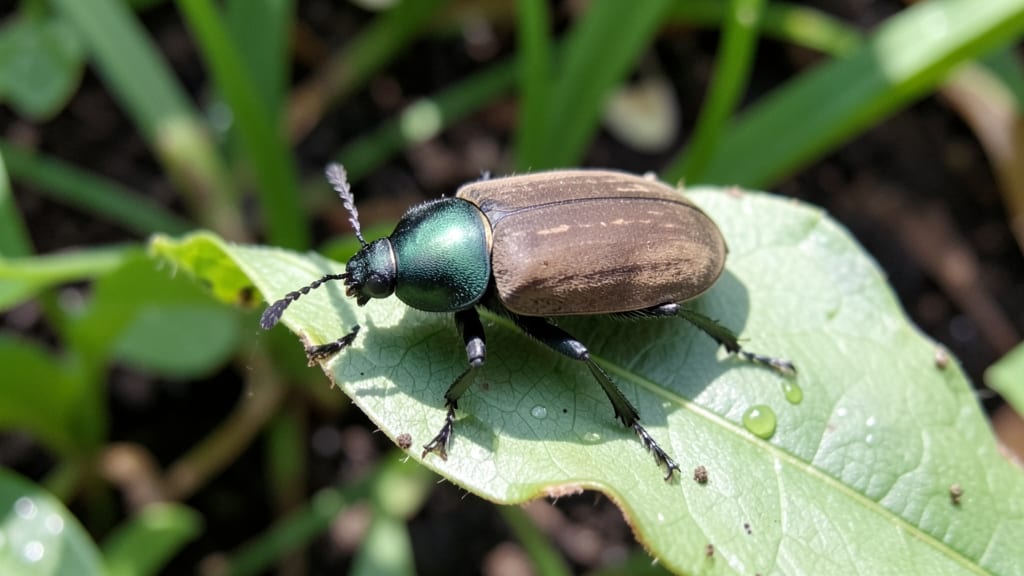
Spotting an asiatic garden beetle in your house is a nightmare no gardener wants to face—these shiny black invaders don’t belong indoors but hitchhike inside on plants, firewood, or even your shoes, leaving behind chewed leaves and frustration. a trail of frustration.
The good news? Simple traps and a few smart habits can send them packing before they become a full-blown infestation.
These beetles thrive outdoors but wander inside when nighttime temperatures drop or food sources run low. Unlike their garden-destroying cousins, indoor beetles are usually just lost wanderers—but that doesn’t mean you should ignore them.
A few sticky traps near windows or doors can catch stragglers before they turn your houseplants into their buffet. The key is acting fast: seal cracks, remove hiding spots, and disrupt their path inside.
Once you’ve lured them away with traps, focus on prevention. Store firewood away from your home, inspect houseplants before bringing them inside, and keep outdoor lights off at night (they’re attracted to them).
With these steps, you’ll reclaim your space—and your sanity—before the beetles become a recurring problem. Let’s get them out for good.
Indoor infestations are rare but possible, especially in late summer or early fall when beetles are most active. The same traps that work for outdoor pests will handle indoor stragglers, but consistency is key.
Check traps daily, vacuum up stragglers, and keep your home’s entry points sealed. Your garden—and your kitchen—will thank you.
Why it happens
If you’ve spotted an asiatic garden beetle (AGB) wandering through your home, you’re not alone—these pests don’t intentionally seek shelter, but their behavior and biology make indoor invasions surprisingly common.
Understanding the why behind their indoor appearances can help you prevent future visits. Here’s a breakdown of the key factors that lure them inside your house.
The asiatic garden beetle is an omnivorous opportunist, meaning it will eat almost anything it can sink its mandibles into. While they primarily feast on plants in gardens, they’re also drawn to:
- Decaying organic matter: Overripe fruits, fallen leaves, compost piles, or even pet food left out overnight can act as a buffet. 🍎🍌
- Stored grains and pantry staples: Flour, cereal, pet food, and even birdseed can attract them if spills or crumbs are present.
- Houseplants: If you’ve brought in foliage from outside (like cut flowers or potted plants), beetles may hitch a ride or be drawn to the moisture and nutrients.
Actionable tip: Store food in airtight containers, clean up organic debris immediately, and inspect houseplants for hitchhiking pests before bringing them indoors. 🧹
As temperatures drop in late summer or fall, asiatic garden beetles become more active at night and may wander indoors to:
- Escape cooler outdoor temps: They prefer warmth (between 70–85°F) and will seek out cozy nooks like basements, garages, or even near windows.
- Avoid predators: Birds, spiders, and other insects hunt AGBs outdoors, so your home becomes a temporary safe haven.
- Find hiding spots: Dark, undisturbed areas (under sinks, in closets, or behind appliances) provide ideal shelter during the day.
Pro tip: Seal gaps around doors, windows, and utility lines with caulk or weatherstripping to block their entry points. A dehumidifier can also make your home less inviting by reducing moisture. 🌡️✨
Asiatic garden beetles thrive in humid environments. They’re often found near:
- Leaky pipes or faucets: Standing water or damp wood (like window frames) signals a potential breeding or resting spot.
- Bathrooms and kitchens: These rooms naturally retain moisture, making them prime targets.
- Basements and crawl spaces: High humidity levels create an ideal microclimate for beetles.
Fix it: Use a moisture meter to check problem areas, repair leaks promptly, and run a fan or dehumidifier in damp spaces. Aim for humidity levels below 50% to deter them. 💦🔥
AGBs are nocturnal foragers, meaning they’re most active after sunset. During this time:
- They follow light sources: Outdoor lights (especially warm-toned bulbs) can attract them, leading them to fly toward windows or doors.
- They get trapped indoors accidentally: Open doors or windows, screens with tears, or even pet doors can provide easy access.
- They’re drawn to carbon dioxide: Breathing humans and pets emit CO₂, which some insects (like mosquitoes) detect—but AGBs may also be influenced by warm, humid air near living spaces.
Solution: Switch to yellow or LED lights outdoors (they’re less attractive to insects), repair screens, and close doors after dark. 🌙💡
Sometimes, the beetles aren’t even looking for your house—they’re already inside thanks to:
- Firewood or mulch: Storing untreated wood or compost near entryways can introduce hitchhikers.
- New purchases: Plants, potted goods, or even cardboard boxes may harbor hidden beetles.
- Pet bedding or toys: Outdoor pets can carry beetles (or their eggs) into the home on fur or paws.
Prevent it: Inspect firewood, plants, and packages before bringing them indoors. Store firewood at least 20 feet from your home and use a dehumidifier in storage areas. 🛒🐕
Practical Ways To Remove & Prevent Beetles
Discovering asiatic garden beetles crawling through your home isn’t just unnerving—it can also damage your plants and even contaminate food. But don’t worry! With the right approach, you can eliminate these pests and keep them out for good.
Below, we’ve mapped out targeted solutions based on the most common causes of infestations, along with simple prevention tips to stop future visits.
🕵️♂️ Step 1: Locate & Contain the Infestation
Before you can remove them, you need to find where they’re hiding. Check these hotspots:
- Kitchens & Pantries: Look under cabinets, behind appliances, and inside food packaging.
- Bathrooms: Inspect grout lines, sinks, and drains (they love moisture!).
- Basements & Garages: These are prime entry points from your garden.
- Windows & Doors: Seal gaps where they might be sneaking in.
Pro Tip: 💡 Use a flashlight at night—they’re often most active after dark!
🧹 Step 2: Manual Removal (Safe & Effective)
For a small infestation, pick them up with gloves and drop them in soapy water (this kills them instantly). If you’re squeamish, use a vacuum with a fine mesh bag—empty it outside immediately to avoid re-release.
⚠️ Warning: Avoid crushing them indoors—their crushed bodies can release an unpleasant odor.
🧴 Step 3: Natural Repellents to Drive Them Out
Beetles hate certain scents. Try these DIY sprays:
- Vinegar & Water Spray: Mix equal parts white vinegar and water in a spray bottle. Target entry points and cracks.
- Citrus Peel Barrier: Place dried orange or lemon peels near windows and doors—they cannot stand the smell.
- Essential Oil Blend: Combine 10 drops each of peppermint, eucalyptus, and tea tree oil with 1 cup of water. Spray along baseboards and thresholds.
Pro Tip: 🌡️ Reapply repellents every 2-3 days for best results.
🌿 Step 1: Remove Their Food Sources
Asiatic garden beetles feed on plants like tomatoes, peppers, and roses. To deter them:
- Prune damaged or wilted leaves—they’re a buffet for beetles.
- Apply neem oil (a natural insecticide) to foliage at dusk.
- Use row covers over young plants to block adult beetles.
🕸️ Step 2: Set Up Strategic Traps
Since they’re attracted to light and moisture, place traps 5-10 feet away from your home:
- Beer Traps: Bury a shallow dish filled with beer near plants. The yeast scent lures them in—dispose of them daily.
- Sticky Traps: Place yellow or blue sticky traps near garden edges (they’re drawn to these colors).
- DIY Light Trap: Set up a white sheet with a blacklight (or a UV flashlight) at night—they’ll gather on the sheet; shake them into soapy water in the morning.
Pro Tip: ✨ Rotate trap locations weekly to prevent beetles from learning their way around.
🏠 Step 3: Seal Entry Points for Good
Prevent future invasions by closing gaps where beetles might sneak in:
- Install fine mesh screens on windows, vents, and doors.
- Use weather stripping around door frames.
- Keep outdoor lights off at night—they attract beetles (switch to yellow bug lights instead).
- Store firewood and mulch away from your home’s foundation.
Once you’ve kicked them out, keep them out with these habits:
- 🌿 Maintain a tidy garden: Remove leaf litter, weeds, and debris where beetles hide.
- 🚿 Fix leaks: Standing water near your home is a magnet for beetles.
- 🍽️ Store food properly: Use airtight containers for grains, pet food, and produce.
- 🔍 Inspect packages: Before bringing in new plants or mulch, check for hitchhiking beetles.
With these steps, you’ll not only eliminate the current infestation but also create a beetle-free zone for your home and garden. Stay vigilant, and those shiny invaders won’t stand a chance! 🚫🐜
Frequently asked questions
Are asiatic garden beetles dangerous or harmful?
These beetles aren't poisonous to humans or pets, but they can damage plants and contaminate food. Their larvae feed on roots, while adults chew leaves, creating unsightly holes. The real issue? Their presence signals potential food sources or entry points need sealing.
Why do I keep finding them near my lights at night?
Outdoor lighting (especially warm-toned bulbs) attracts them like moths to a flame. Their nocturnal foraging instincts make them follow light sources. Switch to yellow LED bulbs or turn off exterior lights after dark to reduce attraction.
How long does it take to eliminate an indoor infestation?
With consistent trapping and sealing entry points, you should see results within 3-7 days. For stubborn cases, combine traps with natural repellents and monitor for 2 weeks to ensure complete removal. Patience is key—don't rush the process!
Can I use chemical pesticides indoors safely?
Most chemical pesticides aren't recommended indoors due to fumes and residue risks. Opt for natural methods like diatomaceous earth (food-grade) or essential oil sprays. If you must use chemicals, target outdoor entry points only and ventilate thoroughly.
Will they come back after I've removed them?
Only if their food sources or entry points remain accessible. Seal gaps, eliminate moisture, and store firewood/mulch away from your home. Regular inspections (especially in late summer/fall) help catch early signs before they return. Prevention is your best defense!