
Container Gardens
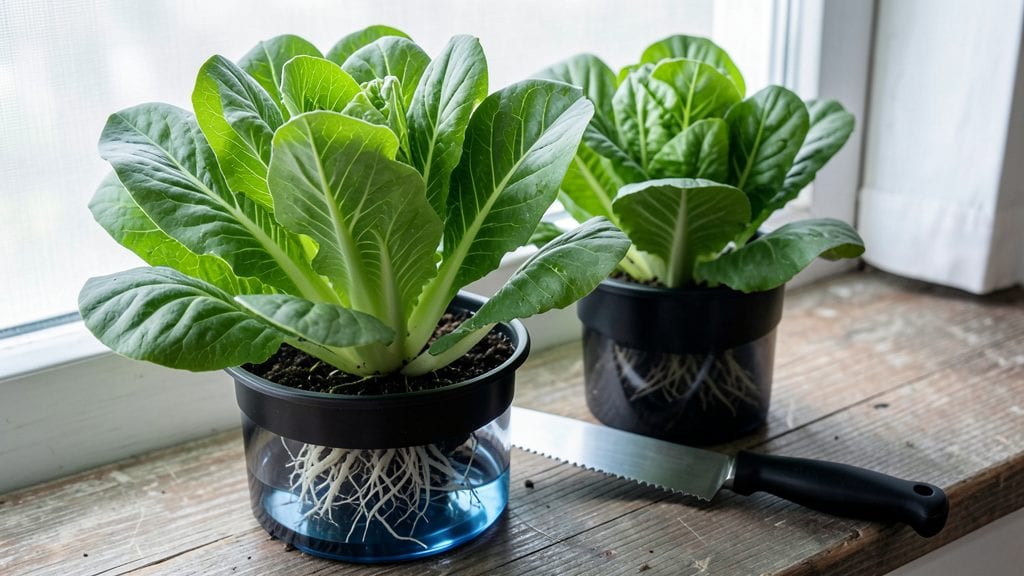
Hydroponic gardens are worth it for beginners if you're working with limited space or aiming for faster harvests, since they cut water use by 90%, accelerate growth by 25-30%, and let you grow indoors year-round—but they require higher upfront costs and regular pH/nutrient checks compared to soil gardening.
Hydroponics eliminates soil entirely, delivering nutrients straight to roots through water—this direct access boosts growth rates and reduces waste. 🌱 For example, leafy greens like lettuce can mature in just 3-4 weeks instead of the 6-8 weeks typical in soil.
While the initial investment in systems and lighting may be steep, the long-term payoff comes in water savings (up to 90% less than traditional gardening) and year-round productivity without seasonal limitations.
What’s more, hydroponic setups take up far less physical space while delivering comparable—or even higher—yields per square foot. This makes them ideal for urban apartments or small balconies where traditional gardening isn’t feasible.
The trade-off? You’ll need to stay on top of pH levels and nutrient solutions, but many beginners find the process rewarding once they get the hang of it.
💡 In This Article
- How Hydroponics Boost Plant Growth Efficiency
- Cost vs. Yield: Hydroponic Startup Essentials for Beginners
How hydroponics boost plant growth efficiency
Here's what's actually happening in a hydroponic system: plants receive nutrients directly through water, bypassing the soil entirely. This eliminates the need for roots to search for nutrients, allowing them to focus 100% on absorption.
The root zone stays oxygen-rich because water-based systems circulate air continuously, unlike soil which can compact and suffocate roots. This oxygenation boosts metabolic rates by up to 30%, accelerating growth cycles while maintaining healthier root structures.
The science behind this involves osmosis and diffusion—nutrient solutions are formulated to match the plant's uptake needs, with concentrations typically ranging from 100-300 ppm (parts per million) for leafy greens to 500-800 ppm for fruiting plants.
The controlled environment also prevents soil-borne pathogens that slow growth, like Fusarium or Phytophthora, which can reduce yields by 40-50% in traditional setups. For example, basil grown hydroponically reaches harvestable size in 3-4 weeks versus 8-10 weeks in soil.
What most people don't realize is how light spectrum affects this efficiency. Hydroponic systems often use LED grow lights emitting 400-700 nm wavelengths (blue for vegetative growth, red for flowering), which plants absorb 20% more efficiently than sunlight.
This targeted lighting reduces energy waste while maximizing photosynthesis. The result? Lettuce heads can double in size in 2-3 weeks under optimal conditions compared to soil-grown counterparts.
Energy efficiency plays a surprising role too. While hydroponics requires electricity for pumps and lighting, the overall system uses 50-70% less energy than traditional greenhouses when accounting for water pumping, heating, and pest control.
The closed-loop systems recirculate water, preventing evaporation losses that account for 60% of water waste in outdoor gardens. This water conservation isn't just theoretical—studies show hydroponic tomato plants use 1.5 gallons per pound of fruit versus 3 gallons in soil.
Consider these key factors when comparing to soil gardening:
- Growth speed: Herbs like cilantro grow 2x faster hydroponically (2 weeks vs 4 weeks)
- Yield density: 10-20x more produce per square foot for leafy greens
- Pest control: No soil means 95% fewer pest problems
- Seasonal limits: Year-round production without frost concerns
The controlled environment also eliminates temperature fluctuations that stress plants. Most hydroponic systems maintain 65-75°F consistently, while soil gardens experience daily swings that can reduce growth by 15-25%. This stability means fewer lost crops during heatwaves or cold snaps. 🌱