
Tools
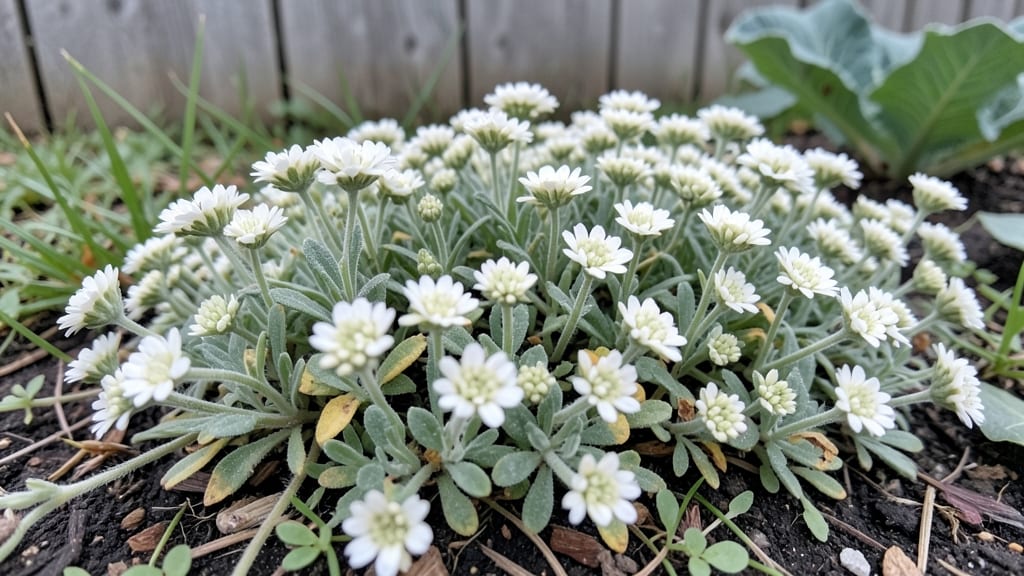
My garden's secret weapon against pests and dull spaces is alyssum—this tiny, fragrant groundcover that turns bare soil into a pollinator paradise while keeping bugs at bay. 🌿 I first spotted it in a neighbor's border and fell for its sweet honey scent and cheerful clusters of white, pink, or purple blooms.
It’s the plant that does double duty: pretty enough to frame your favorite perennials but tough enough to outlast weeds and foot traffic.
The magic happens when you plant it in 3-inch-deep pockets along pathways, under roses, or as a living mulch between vegetables. Alyssum thrives in full sun to partial shade, needs almost no water once established, and blooms nonstop from spring until frost.
Pair it with lavender for a fragrant hedge or tuck it between tomatoes to deter aphids naturally—it’s like having a tiny, fragrant security system for your garden.
By midsummer, your garden will hum with bees and butterflies while staying pest-free, all thanks to this low-maintenance workhorse. The contrast of its delicate blooms against deep green foliage or bold annuals creates visual pops that last all season.
And when fall arrives, its sweet scent lingers even after the flowers fade, rewarding you for the simple choice to plant it.
Works in containers, window boxes, or as a spiller in hanging baskets—just remember to deadhead spent blooms for continuous color. Whether you’re filling gaps in a new bed or reviving an old one, alyssum is the foolproof way to add beauty and function without fuss.
📚 In This Guide
- What you need
- Instructions
- Tips and common mistakes
- Wrapping up and next steps
What you need
- ● Seeds or seedlings: Choose Lobularia maritima (sweet alyssum) or Aurinia saxatilis (golden alyssum). Start with 1–2 seed packets (50–100 seeds each) or 3–5 seedlings for a small bed.
- ● Well-draining soil: Mix 50% garden soil with 50% compost or perlite (1 cubic yard per 100 sq. ft. of bed). Alyssum hates soggy roots!
- ● Sunlight: Ensure your garden spot gets full sun (6+ hours/day) or partial shade (4–6 hours) for best results.
- ○ Water: A hose with a gentle spray nozzle or drip irrigation system (optional but ideal for consistent moisture).
- ● Garden gloves (1 pair) – Protect your hands from prickly soil.
- ● Hand trowel or transplanting spade – For digging small holes (½ inch deep for seeds, 1–2 inches for seedlings).
- ● Rake – To loosen soil and create a smooth planting surface.
- ○ Mulch (optional) – 1–2 inches of straw or shredded bark to retain moisture and suppress weeds.
- ○ Organic fertilizer (optional) – A balanced 10-10-10 or slow-release granular fertilizer (1 tbsp per plant at planting time).
- ○ Pest deterrents (optional) – Neem oil spray or companion plants like marigolds to boost natural pest control.
- ● 🌡️ Timing: Plant seeds 4–6 weeks before your last frost date or in early spring/fall for best germination.
- ● ✨ Spacing: Sow seeds ½ inch apart or space seedlings 6–12 inches apart for a lush, continuous look.
- ● 🔥 Deadheading: Snip spent flowers with sharp scissors to encourage non-stop blooms all season!
Step-by-step guide to planting alyssum for fragrant pest-repelling groundcover
This sweet-scented annual thrives in sunny spots and crowds out weeds while keeping pests away.
🌱 Step 1: Choose the Right Location and Prepare Soil
Select a sunny spot receiving 6-8 hours of direct sunlight daily. Alyssum tolerates poor soil but grows best in well-draining, slightly alkaline conditions. If your soil is heavy clay, mix in 1 inch of compost to improve drainage and aeration.
Loosen the top 6 inches of soil with a garden fork to break up compaction. Alyssum spreads quickly, so space plants 8-12 inches apart in rows 12-18 inches apart for a dense carpet effect. This spacing prevents overcrowding and allows air circulation, reducing fungal diseases.
🌿 Step 2: Plant Alyssum Seeds or Transplants
For seeds, scatter them lightly over the prepared soil—don’t cover them, as they need light to germinate. Press them gently into the soil with your fingers or a small board. Water lightly to settle the seeds without disturbing them. You’ll see tiny sprouts in 7-14 days if conditions are right.
If using transplants, dig holes slightly larger than the root ball and place each plant at the same depth it was growing in its container. Water thoroughly after planting to help roots establish quickly. Alyssum thrives in poor soil, but a light application of balanced fertilizer at planting time encourages lush growth.
💧 Step 3: Water and Maintain for Optimal Growth
Keep the soil evenly moist but not soggy, especially during the first few weeks. Water 1-2 times per week, depending on rainfall, until the plants are established. Once mature, alyssum is drought-tolerant and only needs watering when the top 1 inch of soil feels dry to the touch.
Pinch back the tips of young plants to encourage bushier growth. This step is optional but helps create a fuller, more compact plant. Deadhead spent flowers regularly to promote continuous blooming throughout the growing season. The sweet fragrance of alyssum deters pests like aphids and whiteflies naturally.
☀️ Step 4: Enjoy and Extend the Season
Once established, alyssum requires minimal care. It blooms prolifically in spring and fall, with some varieties flowering year-round in mild climates. To extend the blooming season, trim back plants by one-third after the first flush of flowers. This encourages new growth and more blooms.
In colder climates, alyssum is an annual, but in warmer regions, it may self-seed and return each year. If you want to save seeds for next season, let some flowers go to seed and collect them when they turn brown and dry. Store them in a cool, dry place until ready to plant again.
Tips & tricks for perfect alyssum groundcover
Here's what I've learned after growing alyssum for years—these tricks will help you get the most out of your fragrant pest-repelling groundcover.
Sunlight Secret: That 6-8 hours of daily sunlight is non-negotiable for alyssum. If your spot gets less, consider using it as a container plant where you can move it to sunnier locations. I've seen alyssum in partial shade still grow, but it'll be less vigorous and produce fewer flowers. Trust me, the extra sunlight makes all the difference in both growth and pest-repelling power.
Soil Prep Strategy: When loosening those top 6 inches of soil, don't just scratch the surface—really work the fork in to break up compaction. I like to add a handful of perlite to the compost mix if I know my soil drains poorly. This extra step prevents waterlogging, which can lead to root rot. Alyssum's shallow roots need good airflow, and this preparation gives them the perfect start.
Planting Precision: The 8-12 inch spacing is perfect for creating that lush carpet effect, but here's the thing: don't be afraid to get creative with spacing. If you're using alyssum as an edging plant, you can space them closer—about 6 inches apart. Just remember, tighter spacing means more frequent deadheading to maintain that neat look. I've found that spacing affects both the plant's growth habit and how quickly it fills in gaps.
Watering Wisdom: Those first few weeks are critical for establishing roots, so pay attention to the 1-2 times per week watering guideline. I like to use a gentle rain setting on my hose to avoid disturbing the seeds or young plants. Once established, alyssum's drought tolerance becomes its superpower—just check that top inch of soil before watering. Overwatering is the #1 mistake I see with new gardeners trying alyssum.
Pro Tips for Alyssum In Garden
- Here's what I've learned after growing alyssum for years—these tricks will help you get the most out of your fragrant pest-repelling groundcover.
- Sunlight Secret: That 6-8 hours of daily sunlight is non-negotiable for alyssum.
- Soil Prep Strategy: When loosening those top 6 inches of soil, don't just scratch the surface—really work the fork in to break up compaction.
Frequently asked questions
When is the best time to plant alyssum in my garden?
Alyssum thrives when planted in early spring or late summer (after the last frost). For cooler climates, sow seeds indoors 6–8 weeks before the last frost date. If you’re in a mild zone, you can plant year-round, but avoid extreme heat—it prefers cool to moderate temperatures (50–75°F).
Does alyssum really repel pests, and which ones?
Yes! Alyssum’s sweet fragrance deters pests like aphids, cabbage worms, and even some beetles. It’s especially effective near vegetable gardens, roses, and herbs. The scent masks other plants’ aromas, confusing pests. For best results, plant it along borders or in between rows.
How often should I water alyssum, and does it need special soil?
Alyssum is drought-tolerant once established, but water it lightly but frequently (about 1 inch per week) during its first few weeks. It prefers well-draining soil—sandy or loamy works best. Avoid heavy clay or soggy soil, which can cause root rot. A slightly alkaline pH (6.0–7.5) is ideal.
Can I grow alyssum in containers, and what are the best varieties for pots?
Alyssum does great in containers, especially trailing varieties like ‘Snowdrift’ or ‘Tiny Tangerines’. Use a well-draining potting mix and a pot with drainage holes. For a cascading effect, choose ‘Queen of Sheba’ or ‘Ocean Pearl’. Just keep it in partial sun to light shade if your balcony gets hot.
Why is my alyssum turning yellow or dying? Troubleshooting tips.
Yellowing leaves often signal overwatering or poor drainage. Let the soil dry slightly between waterings. If it’s wilting in heat, provide afternoon shade. Powdery mildew (white fuzzy spots) can occur in humid conditions—space plants for airflow and avoid overhead watering. For leggy growth, pinch back stems to encourage bushiness.
What are some low-maintenance alternatives to alyssum for pest control?
If alyssum isn’t your style, try these fragrant, pest-repelling plants:
- Sweet alyssum (Lobularia maritima) – Same genus, slightly different varieties.
- Dill or fennel – Attracts beneficial wasps that prey on pests.
- Marigolds – Repel nematodes and aphids with their strong scent.
- Basil – Deters flies and mosquitoes while adding flavor to your kitchen.
- Thyme or oregano – Hardier perennials that suppress weeds and pests.
All are easy to grow and pair well with vegetables or flowers!
Wrapping up and next steps
Incorporating alyssum into your garden isn’t just about beauty—it’s a fragrant, low-maintenance powerhouse that keeps pests at bay while adding charm to your outdoor space. 🌿 Whether you’re a seasoned gardener or just starting, its versatility and resilience make it a must-have for any yard.
Ready to transform your garden into a thriving, pest-free oasis?
Your next step? Pick your favorite variety, grab some seeds or plants, and get growing! Start small—even a single patch of alyssum can make a big difference. Happy planting! 🌱