
Vegetables
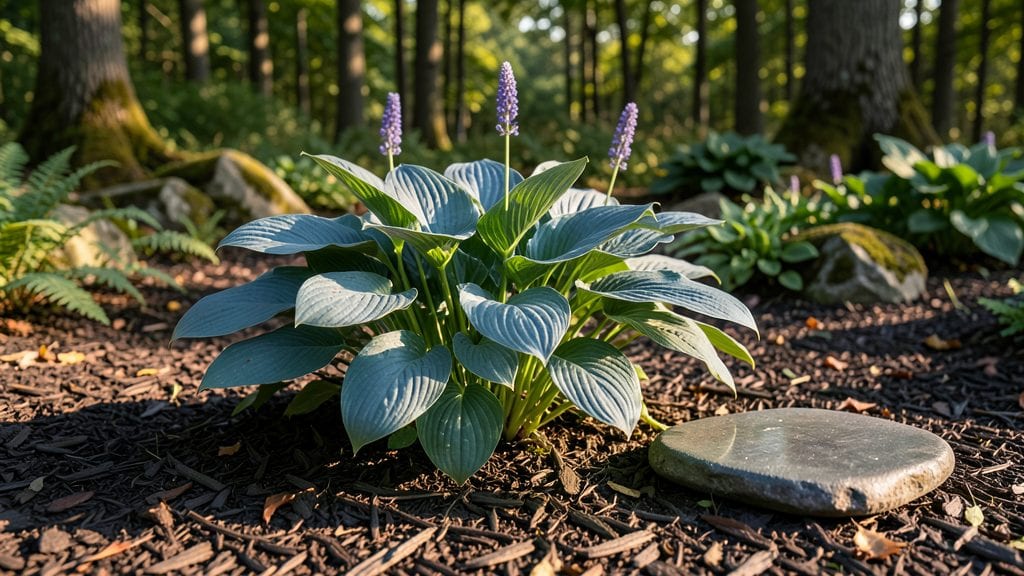
AHS reciprocal gardens create structured plant-sharing networks where gardeners exchange seeds, cuttings, or live plants to maintain rare botanical varieties and support biodiversity. The American Horticultural Society manages these programs, focusing on ethical sourcing and climate-adapted growing practices for sustainable horticulture.
AHS reciprocal gardens function like botanical barter systems, connecting plant enthusiasts to preserve heritage varieties that might otherwise disappear. 🌱 These networks often focus on heirloom seeds and regionally adapted plants, ensuring genetic diversity while reducing reliance on commercial sources.
The AHS provides verification protocols to confirm plant authenticity, which builds trust among participants and protects against mislabeled or invasive species.
What makes these gardens unique is their emphasis on community-driven conservation. Members track their contributions through the AHS's digital platform, creating a transparent record of shared botanical resources. This system not only preserves plant genetics but also fosters cross-pollination of gardening knowledge across different climates and growing conditions.
💡 In This Article
- How AHS Reciprocal Gardens Preserve Rare Plant Varieties
- Step-by-Step Guide to Joining an AHS Reciprocal Garden
How AHS reciprocal gardens preserve rare plant varieties
The core mission of these gardens revolves around genetic preservation through community-driven seed and plant exchanges. Many heirloom varieties face extinction due to commercial agriculture's focus on hybrid seeds optimized for yield rather than diversity.
AHS reciprocal gardens combat this by maintaining living collections of rare botanicals, often with unique genetic traits like disease resistance or historical significance. For example, the 1903 Burpee Seed Catalog varieties—long unavailable commercially—thrive in these networks, with participants carefully documenting each generation's characteristics.
Seed-saving techniques form the backbone of these programs. Members learn proper drying protocols (typically 60-70°F for 2-4 weeks) to maintain viability, while cold stratification (mimicking winter conditions) ensures germination for species like heirloom apples or native wildflowers.
The AHS provides standardized labeling guidelines to track parent plants, ensuring no genetic drift occurs during exchanges. This meticulous documentation prevents the 20% annual loss rate of agricultural biodiversity seen in conventional seed banks.
Regional climate adaptation is where these gardens excel. Unlike commercial seed companies that prioritize national uniformity, AHS networks focus on localized varieties that thrive in specific microclimates. For instance, a Southern Exposure gardener might trade a heat-tolerant Okra variety for a Northern hardy kale from a Zone 4 participant.
This geographic exchange creates a living archive of plant resilience, with each region contributing adaptations to changing conditions like increased drought or heatwaves.
The verification system adds scientific rigor. Before any plant enters the exchange network, the AHS requires botanical authentication—often through DNA testing for high-value species or cross-referencing with their Plant Select® database.
This prevents the spread of mislabeled varieties (a problem affecting 15% of online seed sales) and invasive species. For example, a Chinese lantern plant (Physalis alkekengi) might look harmless but can outcompete native species if introduced carelessly.
What sets these gardens apart is their real-time adaptation to ecological threats. During the 2022 fungal outbreaks in tomato crops, AHS networks rapidly shared resistant heirloom varieties like 'Cherokee Purple', which contains natural genetic defenses.
This crowd-sourced response outpaced commercial breeding programs by years. The system also tracks phenotypic changes—like altered flower colors or growth habits—across generations, creating a living record of plant evolution.
For gardeners, participation means gaining access to climate-proof crops while contributing to biodiversity. The AHS's digital platform even includes survival metrics showing which varieties thrive in specific conditions, helping participants make data-driven choices.
It's horticulture meets citizen science—where every seed packet becomes a piece of the puzzle for plant conservation. 🌿