Planting
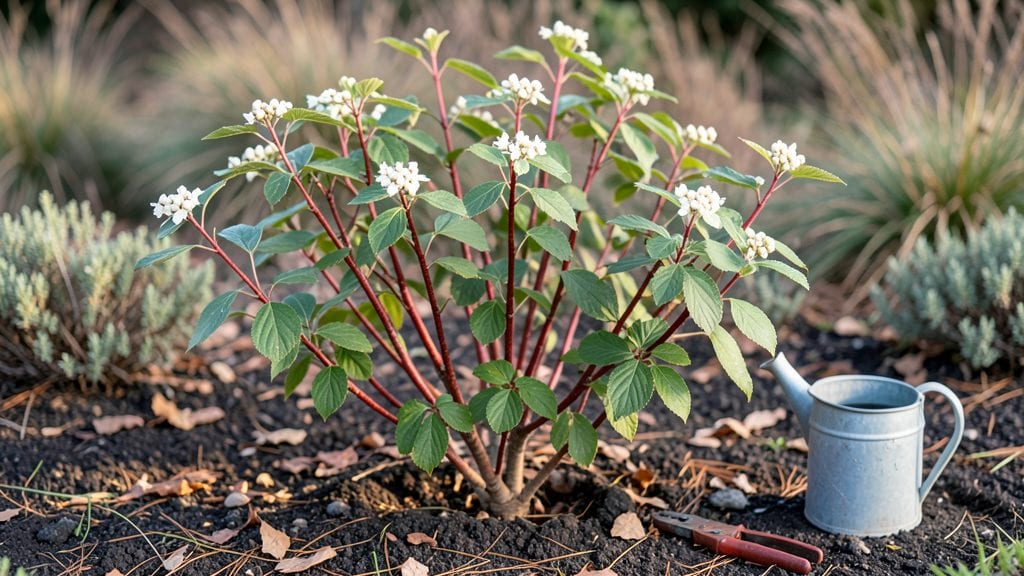
Zone five gardening isn’t about fighting the seasons—it’s about working with them. 🌿 I’ve spent years perfecting layered plantings that keep my garden vibrant from spring’s first crocus to winter’s evergreen structure, and the secret lies in timing, soil, and smart variety choices.
The cold winters and short summers might sound challenging, but they actually simplify things: you focus on cold-hardy plants that thrive when others give up.
Start with soil that drains well but holds moisture—Zone 5’s freeze-thaw cycles demand it. Add compost in fall, mulch heavily before frost, and choose perennials like coneflowers or lavender that bounce back every year.
Annuals? Go for quick-maturing varieties like bush beans or radishes that produce before summer heat peaks. The key is planning your first frost (usually late October) and last frost (mid-May) like they’re non-negotiable deadlines.
What you’ll end up with is a garden that feels alive year-round. Imagine snowdrops pushing through thawing soil in March, tomatoes ripening in August, and ornamental kale standing tall through December’s frost.
It’s not about having everything bloom at once—it’s about creating layers of interest that shift with the seasons. The payoff? A space that feels like a sanctuary, no matter the weather outside.
This approach works whether you’re a beginner with a small yard or an experienced gardener expanding beds. The principles stay the same: prioritize cold tolerance, extend the season with row covers, and never underestimate the power of a good mulch. Let’s get growing—your four-season garden starts with these fundamentals.
📚 In This Guide
- What you need
- Instructions
- Tips and common mistakes
- Wrapping up and next steps
What you need
- ● Soil amendments: Compost (2–3 cubic yards per 100 sq ft)
- ● Peat moss or coconut coir (1–2 bags per planting area)
- ● Perlite or vermiculite (for drainage, 1–2 bags)
- ● Mulch: Straw, wood chips, or shredded leaves (3–4 inches deep)
- ● Fertilizer: Slow-release organic (10-10-10 or balanced NPK)
- ● Tools: Garden trowel (for precision)
- ● Pruners (bypass for clean cuts)
- ● Garden fork (for aerating soil)
- ● Wheelbarrow (for hauling materials)
- ● Watering can or hose with adjustable nozzle
- ● Perennials (hardy to Zone 5): 3–5 shrubs (e.g., Hydrangea, Viburnum)
- ● 10–15 ornamental grasses (e.g., Miscanthus, Carex)
- ● Seasonal bloomers (e.g., Coneflower, Black-eyed Susan)
- ● Cold-hardy annuals (for spring/fall color): Pansies, snapdragons, or Calendula
- ○ Edibles (optional but rewarding!): Kale, spinach, or Swiss chard (for cool seasons)
- ● Rhubarb or asparagus (perennial favorites)
- ● Prerequisites: Full sun (6+ hours/day) or partial shade (4–6 hours)
- ● Well-draining soil (amend clay if needed)
- ● Drip irrigation or soaker hose (for efficiency)
- ● Soil test kit (to check pH/nutrients)
- ● Frost cloth or row covers (for tender plants)
- ● Garden journal (to track plant performance)
- ● Decorative stones or edging (for polished layers)
Instructions for designing a four-season zone five garden
Layering plants strategically ensures color and texture year-round in your climate.
🌱 Step 1: Plan Your Garden Layers for Seasonal Interest
Start by sketching your garden space and dividing it into three layers: tall back plants, mid-height shrubs, and low ground covers. In zone five, this means choosing evergreens like boxwood or holly for winter structure, then adding spring bulbs like daffodils beneath them for early color. I like to mark each layer on my sketch with colored pencils—green for evergreens, purple for spring bloomers, and yellow for summer perennials.
Think about height progression: tall ornamental grasses or small trees (like serviceberry) at the back, followed by shrubs like hydrangeas or spirea, then perennials and annuals in the front. This creates visual depth and ensures something is always in bloom. For example, I pair late-blooming coneflowers with early spring crocuses so there’s never a bare spot.
☀️ Step 2: Select Plants That Thrive in Zone Five Conditions
Focus on hardy perennials and shrubs that handle zone five’s cold winters and hot summers, like black-eyed Susans, daylilies, and Russian sage. These plants return year after year with minimal care. For winter interest, add ornamental grasses like fountain grass or miscanthus—they stay upright even in snow and add texture when other plants are dormant.
Don’t overlook spring bloomers like bleeding heart or lungwort, which thrive in partial shade and provide early color. I always include at least one late-season bloomer, like asters or goldenrod, to extend the growing season into fall. Check each plant’s USDA hardiness zone rating to ensure it survives your winters without extra protection.
💧 Step 3: Prepare the Soil for Year-Round Plant Health
Zone five soil can be heavy clay or sandy loam, so amend it with 3 inches of compost and 1 inch of mulch to improve drainage and retain moisture. I like to till the compost into the top 6 inches of soil in early spring, then top-dress with mulch to suppress weeds and regulate temperature. This keeps roots warm in winter and cool in summer.
Test your soil’s pH—most perennials prefer a neutral 6.0-7.0 range. If your soil is too acidic, add lime; if it’s alkaline, mix in sulfur. I test mine every few years because zone five’s clay holds nutrients poorly. Healthy soil means healthier plants that bounce back after winter dormancy and bloom longer in summer.
✂️ Step 4: Plant and Mulch for Seasonal Protection
Plant perennials and shrubs in early spring or fall, when temperatures are mild. Space them according to their mature size—18-24 inches apart for most perennials, 3-5 feet apart for shrubs. Water deeply after planting to settle the soil and encourage root growth. I always add a 2-inch layer of mulch around each plant, keeping it 2 inches away from stems to prevent rot.
In late fall, add an extra 1-2 inches of mulch over the roots of tender perennials to insulate them during winter. This protects against freeze-thaw cycles that can heave plants out of the ground. I also group plants with similar water needs together to simplify maintenance—drought-tolerant lavender near the front, thirsty hostas in the shade.
🌿 Step 5: Maintain Year-Round with Seasonal Tasks
Spring: Remove dead foliage from perennials, fertilize with 10-10-10 in early spring, and divide overcrowded plants like daylilies. Summer: Deadhead spent blooms to encourage more flowers and water deeply 1-2 times per week during dry spells. Fall: Plant bulbs like tulips or alliums for next spring’s color, and prune back perennials that have finished blooming.
Winter: Keep an eye out for heavy snow or ice that might damage weak stems. I gently brush snow off evergreens to prevent breakage. Even in zone five, a little winter care ensures your garden wakes up vibrant in spring. This layered approach means you’ll always have something to enjoy, whether it’s the scent of lilacs in May or the rustle of grasses in December.
Tips & tricks for designing a four-season zone five garden
Here's what nobody tells you about creating a garden that thrives year-round in zone five.
Layering Like a Pro: When sketching your garden in Step 1, use a grid system to visualize spacing. I draw a simple 12-inch grid on my sketch to ensure proper plant placement before buying anything. This prevents overcrowding as plants mature. Also, consider adding a fourth "vertical" layer with climbing roses or clematis on trellises—they provide height and summer blooms without taking up ground space.
Plant Selection Shortcuts: In Step 2, focus on plants with overlapping bloom times to minimize bare spots. For example, pair early spring crocuses with late winter hellebores, then transition to tulips in mid-spring. I keep a simple chart of bloom times for my zone five favorites to ensure continuous color. Don't overlook native plants like purple coneflower—they're tough, low-maintenance, and attract pollinators.
Soil Prep Hacks: For Step 3's soil amendments, consider using a soil test kit from your local extension office—they're often free or low-cost. I've found zone five's clay soil benefits most from a mix of compost and coarse sand (50/50 ratio) to improve drainage. When tilling the 3 inches of compost, work it in just enough to loosen the top 6 inches without disturbing deeper layers.
Mulching Made Easy: In Step 4, use straw or shredded leaves instead of wood chips for your 2-inch mulch layer—they break down faster and add nutrients. I always apply mulch after a good rain when the soil is moist. For winter protection, consider using evergreen boughs over tender perennials in addition to the extra 1-2 inches of mulch, especially if you're in a colder microclimate within zone five.
Pro Tips for Zone Five Gardening
- Here's what nobody tells you about creating a garden that thrives year-round in zone five.
- Layering Like a Pro: When sketching your garden in Step 1, use a grid system to visualize spacing.
- Plant Selection Shortcuts: In Step 2, focus on plants with overlapping bloom times to minimize bare spots.
Frequently asked questions
What’s the best way to start a layered garden in Zone 5?
Begin with perennial ground covers (like creeping thyme or ajuga) as your base layer, then add shrubs (e.g., hydrangeas or butterfly bush) for mid-height structure. Top with ornamental grasses or small trees (like serviceberry) for height and winter interest. Check our materials guide for soil prep tips!
How do I protect plants from harsh Zone 5 winters?
Use mulch (3–4 inches of shredded bark or leaves) to insulate roots, and wrap tender perennials with burlap or frost cloth. Evergreens benefit from snow stakes to prevent branch breakage. Pro tip: Prune in late winter (after frost) to avoid stressing dormant plants.
Can I grow vegetables in a layered garden?
Allocate sunny spots for veggies like kale, spinach, and potatoes (they tolerate cooler temps). Use raised beds for better drainage, and interplant with flowers (like nasturtiums) to deter pests. Try cold-hardy herbs (e.g., chives, parsley) year-round!
What if my garden fails in a tough winter?
Don’t panic! Assess damage in early spring—prune dead branches but leave dormant stems until new growth appears. Replace lost plants with resilient Zone 5 natives (e.g., coneflowers, black-eyed Susans). Even "failures" teach you what to adjust next year!
Are there low-maintenance alternatives to traditional layering?
Yes! Try pollinator-friendly meadows (native wildflowers + grasses) or hedge rows (e.g., privet or boxwood) for structure with minimal upkeep. Dwarf varieties of trees (like Japanese maples) also reduce pruning needs while adding beauty.
When’s the ideal time to plant in Zone 5?
| Season | Best For | Timing |
|---|---|---|
| Spring | Perennials, shrubs, cool-season veggies | After last frost (mid-April–May) |
| Fall | Bulbs, bare-root plants, warm-season veggies | 6–8 weeks before first frost (Sept–Oct) |
| Winter | Dormant trees/shrubs (bare-root) | Dec–Feb (while soil is workable) |
Pro tip: Plant spring-blooming bulbs (like daffodils) in fall for early color!
Wrapping up and next steps
Zone Five gardening is all about harnessing the power of layers—whether it’s plants, mulch, or seasonal prep—to create a vibrant, low-maintenance garden that thrives year-round. 🌱 By choosing the right perennials, protecting tender plants, and embracing smart techniques like lasagna gardening or winter interest, you’ll enjoy beauty, productivity, and resilience in every season.
Ready to transform your space? Start small—pick one layer (like adding evergreens or a cold-hardy veggie patch) and build from there. Your future self (and your garden!) will thank you. Happy planting! 🌿