Watering
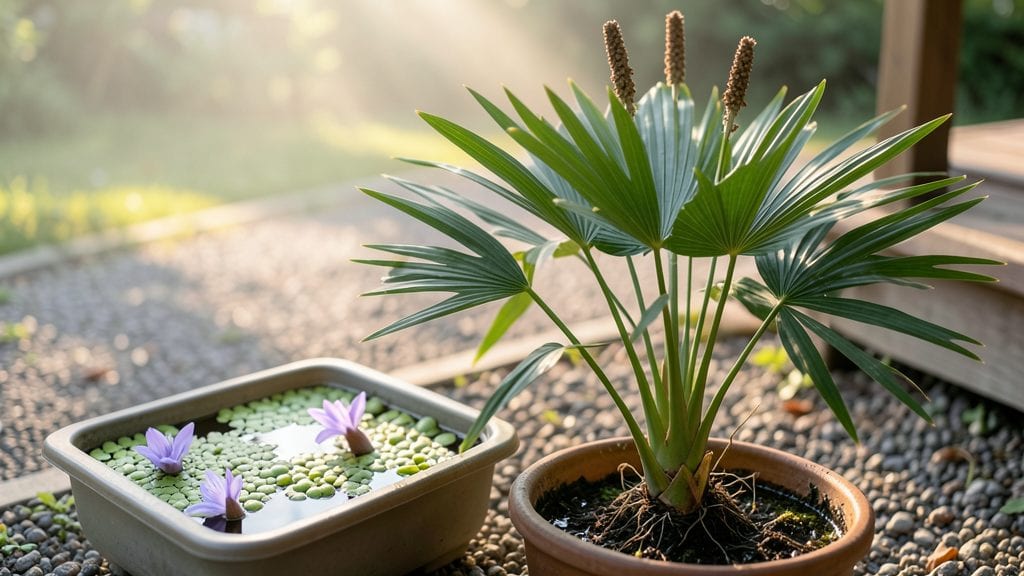
A small water garden transforms even the tiniest yard into a tranquil oasis where frogs hum and sunlight dances on rippling water.
I built mine in a 4x6-foot space using a preformed liner and a few key plants—water lilies, irises, and a splash of blue flag—that turned my corner of the world into a living painting.
The secret isn’t size; it’s the way water reflects light and plants soften edges, creating a pocket of calm that feels like a secret escape.
You’ll need just five essentials: a liner (or even a large plastic container), a small pump for circulation, smooth rocks for edges, aquatic plants that thrive in shallow water, and a spot with at least 6 hours of sunlight.
Marginal plants like sweet flag or cattails add texture, while floating lilies create shade that keeps the water clear. The setup takes a weekend, and the results? A garden feature that feels luxurious without the space demands of a full pond.
By summer’s end, you’ll have a thriving ecosystem that attracts dragonflies and hummingbirds while requiring minimal upkeep. The water stays clean with the right plant balance, and the rocks stay in place if you anchor them well.
Best of all? It becomes the quietest corner of your garden—where the only noise is the gentle plink of water and the rustle of leaves. Let’s make yours unforgettable.
Works in urban backyards, patio containers, or even sunny windowsills with shallow designs. The key is starting small and letting nature do the rest—your water garden will evolve into something even more beautiful than you imagined.
📚 In This Guide
- What you need
- Instructions
- Tips and common mistakes
- Wrapping up and next steps
What you need
- ● Container: A pre-formed pond liner (4’x6’ or custom size) or a sturdy plastic/ceramic basin (minimum 12" depth).
- ● Pond liner: EPDM rubber liner (thickness: 45 mil for small ponds, 60 mil for durability).
- ● Underlayment: Pond underlayment fabric (1 piece, slightly larger than your liner).
- ● Rocks/gravel: 1–2 bags of smooth river rocks (1–2" size) for edging + 1 bag of small pebbles (for drainage).
- ● Water: 5–10 gallons (enough to fill your container to 80% capacity).
- ● Tools: Spade or trowel (for digging).
- ● Utility knife (for cutting liner).
- ● Measuring tape + level.
- ● Garden gloves (to keep hands clean!).
- ○ Floating plants (optional but lovely!): Water hyacinth (1–2 plants).
- ● Duckweed (small handful).
- ● Marginal plants (shallow edges): Water lettuce (1–2 plants).
- ● Miniature marsh marigold (1 plant).
- ● Submerged plants (for oxygen): Hornwort (1 bunch).
- ● Anacharis (1 small pot).
- ○ Decor (optional): Solar-powered fountain (battery-operated).
- ● Mini bridge or figurines (weatherproof!).
- ● Sunlight: 4–6 hours/day (partial shade for tropical plants).
- ● Space: Flat, stable ground (4’x6’ minimum for a liner pond).
- ● Drainage: Ensure no standing water near foundations or walkways.
- ● Water source: Hose or bucket for filling + occasional top-ups.
Step-by-step instructions for creating a small water garden
Building a tranquil miniature pond is simpler than you think—here’s how to craft a balanced ecosystem that thrives with minimal effort.
Select and Prepare the Container
Choose a container that’s at least 12 inches deep—deeper water stays cooler and supports more aquatic life. I like using pre-formed pond liners or heavy-duty plastic bins with smooth edges to prevent tears. Place the container in a spot that gets 4-6 hours of sunlight daily, but avoid full sun, which can overheat the water and stress plants.
Before adding water, rinse the container thoroughly with bleach-free disinfectant to remove any manufacturing residues. Let it dry completely to prevent mold growth. If using a liner, smooth out wrinkles and secure the edges with landscape staples or rocks to create a seamless base. This ensures no sharp edges will damage roots later.
Add a Layer of Gravel and Beneficial Bacteria
Spread 2-3 inches of small gravel (about 5-10 pounds, depending on container size) across the bottom. This creates a natural filtration layer and anchors plants while preventing soil from clouding the water. Use rounded stones—sharp edges can tear plant roots over time.
Next, sprinkle 1 tablespoon of beneficial bacteria (like those found in water garden starter kits) over the gravel. These microbes break down waste and keep the ecosystem healthy. Add 6 inches of dechlorinated water—tap water contains chlorine, which can harm aquatic life, so let it sit uncovered for 24 hours before use. Fill slowly to avoid disturbing the gravel layer.
Plant Marginal and Submerged Aquatic Plants
Marginal plants like water hyacinth or sweet flag thrive at the edges, where roots can anchor in shallow water. Plant them in 2-3 inches of soil (if using) or let their roots dangle into the water. These plants filter nutrients and provide shade for fish or frogs later. For submerged plants like hornwort or anacharis, trim stems to 4-6 inches before placing them in the water—they’ll spread quickly and add oxygen.
Space plants 6-12 inches apart to allow room for growth. Avoid overcrowding, which can lead to competition for light and nutrients. If adding floating plants like water lettuce, place them gently on the surface—they’ll help reduce algae by shading the water.
Introduce Fish or Wildlife (Optional)
If you’re adding fish, like goldfish or koi, wait 2-4 weeks after planting to let the ecosystem stabilize. Start with 1-2 small fish per 10 gallons of water—overcrowding stresses the system. Feed sparingly; uneaten food decays and fouls the water. For a wildlife-friendly pond, add a small fountain or aerator to keep water moving and oxygenated, which attracts frogs, dragonflies, and beneficial insects.
Monitor the water for cloudiness or algae blooms in the first few weeks—this is normal as the ecosystem balances. If needed, add a small water clarifier (like barley straw) to naturally improve clarity. Avoid chemical treatments, which can harm plants and wildlife.
Maintain Balance Through Regular Care
Check the water level weekly and top off with dechlorinated water as needed—evaporation is constant in small ponds. Remove 10-20% of the water every 4-6 weeks and replace it to prevent nutrient buildup. Skim off any debris, like fallen leaves or algae, with a net to keep the water clean.
Trim plants monthly to control growth and maintain the pond’s aesthetic. In cooler months, reduce feeding (or stop entirely for fish) as their metabolism slows. With minimal effort, your miniature water garden will thrive year-round, offering a serene retreat for both you and local wildlife.
Tips & tricks for perfect small water garden
A few simple strategies will help you create a thriving miniature pond that stays balanced and beautiful with minimal effort.
Container Placement: The 4-6 hours of sunlight recommendation is ideal for most aquatic plants, but if you notice leaves turning yellow or wilting, your pond may be getting too much direct sun. I’ve found that positioning the container slightly under a tree canopy or on a patio with afternoon shade works beautifully. Just make sure it still gets enough light for photosynthesis—plants need at least 3 hours of indirect sunlight daily.
Gravel Layer Secrets: When spreading the 2-3 inches of small gravel in Step 2, don’t worry about creating a perfectly even layer. The goal is to cover the bottom completely, so any irregularities will be hidden by plants and water. I like to use a mix of smooth river rocks and pebbles—this creates natural-looking texture while still allowing water to flow through. The 5-10 pounds of gravel will vary depending on your container size, but aim for about 1 inch of gravel for every 2 gallons of water capacity.
Water Quality Maintenance: The 24-hour dechlorination process is crucial, but you can speed it up by using a water dechlorinator product designed for aquariums. These work instantly and are safer than waiting. For ongoing maintenance, I’ve found that adding a small solar-powered fountain (even a simple bubbler) helps keep water circulating, which prevents stagnation and reduces algae growth between your regular 4-6 week water changes.
Pro Tips for Small Water Garden
- A few simple strategies will help you create a thriving miniature pond that stays balanced and beautiful with minimal effort.
- Container Placement: The 4-6 hours of sunlight recommendation is ideal for most aquatic plants, but if you notice leaves turning yellow or wilting, your pond may be getting too much direct sun.
- Gravel Layer Secrets: When spreading the 2-3 inches of small gravel in Step 2, don’t worry about creating a perfectly even layer.
Frequently asked questions
Got questions about creating your own small water garden? Here are some of the most common ones—and their answers—to help you get started with confidence!
What’s the best size for a small water garden?
A small water garden typically ranges from 3 to 10 square feet in surface area, making it perfect for patios, balconies, or even windowsills. For a miniature pond, aim for at least 2–3 feet in diameter to support aquatic plants and small fish (like guppies or bettas). Larger spaces allow for more biodiversity and easier maintenance.
How long does it take to set up a small water garden?
Most small water gardens can be assembled in 1–3 hours, depending on complexity. Pre-formed liners and lightweight materials speed up the process, while custom designs (like natural stone borders) may take longer. Plan for an extra 24–48 hours for water to stabilize and plants to acclimate before adding fish or decor.
Do I need a pump for a tiny water garden?
Not always! If your garden is under 5 square feet and features only plants (no fish), a solar-powered fountain or gentle waterfall may suffice for aeration. However, for ponds with fish or deeper water, a small submersible pump (200–500 GPH) is ideal to keep water circulating and prevent stagnation.
Can I add fish to a small water garden?
Yes, but choose hardy, cold-hardy species like white cloud mountain minnows, bettas, or goldfish (in warmer climates). Avoid overcrowding—stick to 1 inch of fish per 1 gallon of water. Test water quality weekly, and use a small filter or beneficial bacteria to maintain a healthy ecosystem.
How do I keep my small water garden clean in winter?
In cold climates, drain and store plants, fish, and equipment if freezing is expected. For hardy gardens, reduce water levels, add a pond de-icer, and leave space for ice expansion. Skip fertilizers in winter, and remove fallen leaves/debris to prevent decay. A floating solar bubble can also insulate water and protect fish.
Wrapping up and next steps
A small water garden is more than just a tranquil retreat—it’s a low-maintenance, space-efficient way to bring nature’s beauty into your backyard.
Whether you’re drawn to the soothing sounds of water or the vibrant life of aquatic plants, this project is achievable for any green thumb (or budding one!). 🌿
Ready to dive in? Start by sketching your design, gathering supplies, and taking it step by step. Soon, you’ll be rewarded with a peaceful oasis that’s perfect for unwinding—and maybe even attracting a few friendly frogs! 🐸