Planting
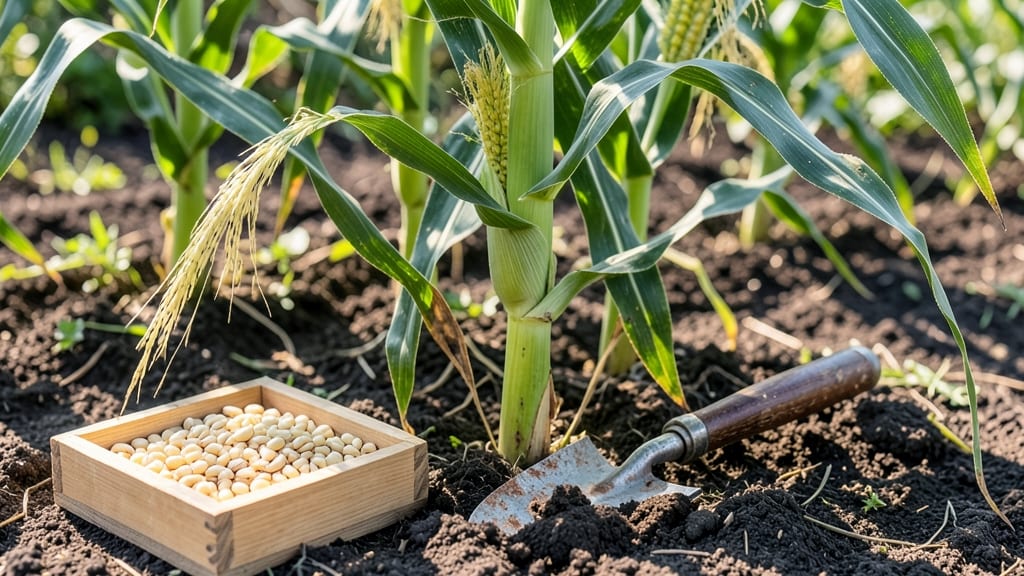
Planting corn too close means fewer ears and more disease—garden corn spacing is the secret to sweet, plentiful harvests. I learned the hard way when my first crop yielded puny ears because the plants fought for sunlight and air.
The right distance between plants isn’t just about fitting them in; it’s about giving each stalk room to grow strong, tall stalks with 12-18 inches of space between plants in rows.
Most corn varieties need 12-18 inches apart in rows spaced 24-36 inches apart, but check your seed packet—some dwarf or sweet corn types can handle tighter spacing. If you’re growing in blocks instead of rows, space plants 12 inches apart in all directions to mimic natural stands.
The goal? Enough airflow to prevent fungal diseases like rust and blight, plus room for those ears to swell without crowding.
Proper spacing pays off in bigger ears and fewer problems. You’ll see plump, juicy ears instead of skinny ones, and plants that stand tall instead of leaning. Even in small gardens, this method maximizes every square foot—no wasted space or stunted growth.
For container growing, use 5-gallon pots with one plant per container, spacing them 18 inches apart to mimic in-ground conditions.
Adjust spacing based on your climate: hotter regions need slightly more room for airflow, while cooler areas can handle tighter spacing. If you’re growing multiple varieties, keep them separate by at least 3 feet to prevent cross-pollination.
The key is balance—too much space wastes garden real estate, but too little means poor yields. Start with these guidelines, then tweak as you see what works best in your garden.
📚 In This Guide
- What you need
- Instructions
- Tips and common mistakes
- Wrapping up and next steps
What you need
- ● Sweet corn seeds: Choose disease-resistant varieties (e.g., Silver Queen or Peaches & Cream). Plan for 1 seed per hill (or 2–3 seeds if direct-sowing). Aim for 12–15 seeds per 10-foot row (adjust based on spacing needs).
- ● Seed-starting soil or compost: 1–2 gallons per planting site to enrich soil before sowing.
- ○ Organic fertilizer (optional but recommended): A balanced 10-10-10 or corn-specific blend (e.g., fish emulsion or cottonseed meal). Use 1–2 cups per 10-foot row at planting.
- ● Garden trowel or dibble: For planting seeds at precise 1-inch depth.
- ● Measuring tape or spacing ruler: To mark rows and hills with accuracy (corn needs 12–18 inches apart in rows, 30–36 inches between rows).
- ● Garden hose or watering can: For gentle watering (1 inch per week post-planting).
- ○ Garden string and stakes (optional): To create a visual guide for straight rows.
- ● Mulch (straw or grass clippings): 2–3 inches thick to retain moisture and suppress weeds.
- ● Sunlight: A full-sun location (6+ hours daily)—corn is a sun-worshipper!
- ● Well-drained soil: Test pH (ideal: 6.0–6.8). Amend with compost if soil is clay-heavy.
- ● Warm soil: Wait until soil temps reach 60°F+ (use a soil thermometer if unsure).
- ● Pollination partners: Plant at least 3 rows (12–15 plants total) for cross-pollination (or grow block plantings).
Step-by-Step guide for planting corn with perfect spacing
Here’s the foolproof method I’ve used for years to grow corn with thick, healthy stalks and plump ears.
Mark Your Planting Rows
Corn needs space to grow strong, so start by marking your rows with a garden hoe or string. For most varieties, space rows 3-4 feet apart—this gives roots room to spread and prevents competition for sunlight. I like to use a 3-foot spacing for shorter varieties and 4 feet for taller ones like Silver Queen.
Run your string or hoe in straight lines, then make small marks every 12 inches along each row. These marks will guide where each corn seed goes. If your soil is rocky or uneven, adjust slightly to avoid planting over obstacles. The key is consistency—uneven spacing leads to crowded stalks and fewer ears.
Plant Seeds at the Right Depth and Spacing
Drop 1-2 seeds per hill at a depth of 1-1.5 inches, depending on soil moisture. If your soil is dry, plant slightly deeper; if it’s moist, stick to 1 inch. I usually plant 2 seeds per hill to ensure at least one strong stalk grows—corn germination can be spotty.
Space hills 8-12 inches apart within the row. For sweet corn varieties, 12 inches gives the best balance between yield and stalk strength. If you’re growing popcorn or field corn, you can reduce spacing to 8-10 inches, but avoid planting closer than 6 inches—this leads to weak, disease-prone stalks.
Thin Seedlings to the Strongest Stalks
When seedlings reach 4-6 inches tall, thin to 1 strong stalk per hill. Use scissors or your fingers to snip or pull the weaker seedling at the base—don’t tug, or you’ll damage the remaining plant. I always thin on a cloudy day to reduce stress on the remaining stalks.
After thinning, space remaining stalks 12-18 inches apart in the row. If you’re growing 4 rows, this spacing ensures each plant has enough room to develop 2-3 ears per stalk without overcrowding. Watch for leggy or pale seedlings—they’re signs of poor spacing or weak plants that need removing.
Maintain Spacing as Stalks Grow
Corn grows fast, so check spacing again when stalks reach 2 feet tall. If any plants lean or touch neighbors, gently separate them to maintain 12-18 inches between stalks. I tie taller varieties to stakes if needed, but avoid overcrowding—even mature stalks need airflow to prevent fungal diseases like rust.
Mulch around plants with 2-3 inches of straw to retain moisture and suppress weeds, which compete for nutrients. Keep an eye on the soil—if it feels dry 1 inch below the surface, water deeply but avoid wetting the leaves. Proper spacing now means fewer ears later, but it’s worth the effort.
Harvest at Peak Ripeness
Corn is ready to harvest when the silk turns brown and dry and the kernels are plump and milky when pierced with a fingernail. I check 2-3 ears per row daily—they ripen quickly! Cut stalks at the base with a sharp knife, leaving 1 inch of stem attached to preserve freshness.
With proper spacing, you’ll get 4-6 ears per plant instead of just 1-2. Store harvested ears in the fridge for 3-5 days or blanch and freeze for long-term use. The right spacing now means a bountiful harvest later—no guesswork, just consistent results.
Tips & tricks for perfect garden corn spacing
Perfect corn spacing isn't just about following numbers—it's about creating the right environment for your plants to thrive. Here are the key insights I've learned after years of trial and error in my own garden.
Row Spacing Matters More Than You Think: The 3-4 foot row spacing in Step 1 isn't arbitrary—it's about giving corn's extensive root system room to develop. I've found that shorter varieties like 'Golden Bantam' do beautifully with 3 feet between rows, while taller varieties like 'Silver Queen' need that full 4 feet to prevent shading. Think of it like giving each plant its own personal space to breathe and grow strong roots that can support multiple ears.
Seed Depth and Soil Moisture Are Critical: When planting your 1-2 seeds per hill at 1-1.5 inches deep in Step 2, pay close attention to your soil's moisture level. Dry soil needs deeper planting (up to 1.5 inches) to protect seeds from drying out, while moist soil can handle the shallower 1-inch depth. I've planted corn in both conditions and seen dramatic differences in germination rates—don't skip this adjustment based on your local weather.
Thinning is Where the Magic Happens: The thinning process in Step 3 is where most gardeners go wrong. When you're thinning to 1 strong stalk per hill at 4-6 inches tall, focus on the plant's health—not just height. Look for seedlings with thick stems and vibrant green leaves. I've learned the hard way that keeping weak seedlings just because they're tall leads to poor yields later. The final 12-18 inch spacing after thinning is what gives each plant room to develop those 2-3 ears per stalk.
Maintenance Prevents Future Problems: Checking spacing again when stalks reach 2 feet tall in Step 4 is crucial for preventing disease. I've seen entire rows of corn develop rust just because plants were touching each other. That's why I always make a point to gently separate any leaning plants and maintain that 12-18 inch spacing. The mulch layer of 2-3 inches of straw isn't just about moisture—it's about keeping weeds at bay that would compete with your corn for nutrients.
Pro Tips for Garden Corn Spacing
- Perfect corn spacing isn't just about following numbers—it's about creating the right environment for your plants to thrive.
- Row Spacing Matters More Than You Think: The 3-4 foot row spacing in Step 1 isn't arbitrary—it's about giving corn's extensive root system room to develop.
- Seed Depth and Soil Moisture Are Critical: When planting your 1-2 seeds per hill at 1-1.5 inches deep in Step 2, pay close attention to your soil's moisture level.
Frequently asked questions
Got questions about spacing your garden corn for the best harvest?
You’re not alone! Here are answers to the most common queries—so you can plant with confidence and enjoy those sweet, juicy ears later.
How close can I plant corn if my garden is small?
If space is tight, you can squeeze corn in at 4–6 inches apart in rows spaced 12–18 inches apart. However, yields will drop, and plants may compete for sunlight and nutrients. For best results, stick to the recommended 8–12 inches apart in rows 24–36 inches apart—your future self (and taste buds) will thank you!
Should I wait until the soil is warmer to plant?
Corn thrives in warm soil (at least 60°F), so wait until after the last frost when nighttime temps stay above 50°F. Cold soil slows germination and can lead to weak, uneven growth. A soil thermometer helps—plant when it consistently reads warm!
Can I plant corn closer together if I use a trellis?
Yes! Trellising corn (like pole beans) lets you space plants 6–8 inches apart in rows 12–18 inches apart. Use sturdy stakes or a teepee structure to support the stalks as they grow. Just ensure your trellis is tall enough—corn can reach 6–8 feet tall!
Why are my corn plants leaning or falling over?
Leaning or lodged corn often signals overcrowding, poor soil, or wind. Check your spacing first—thin plants if needed. Add stakes or cages for support, or improve soil drainage. Avoid planting in low spots where water pools. A little extra care early on prevents flops later!
Does corn spacing change for different varieties?
Most sweet corn varieties follow the same spacing rules, but dwarf or bush varieties can handle slightly tighter spacing (6–8 inches apart). Check your seed packet for specifics—some heirlooms or specialty corns (like popcorn) may need adjustments. When in doubt, err on the side of more space!
Wrapping up and next steps
Perfecting your garden corn spacing is the secret to a bountiful harvest! By planting seeds 12–18 inches apart in rows 24–36 inches wide, you’ll ensure strong stalks, fewer pests, and plenty of room for those sweet, juicy ears to grow.
Whether you’re a seasoned gardener or just starting out, getting this right makes all the difference—so grab those seeds and get planting! 🌽✨
Ready to take the next step? Sketch your garden layout today and mark your spacing with stakes or a simple grid. Happy growing—your future corn cobb salad awaits! 🥗😊