Pests
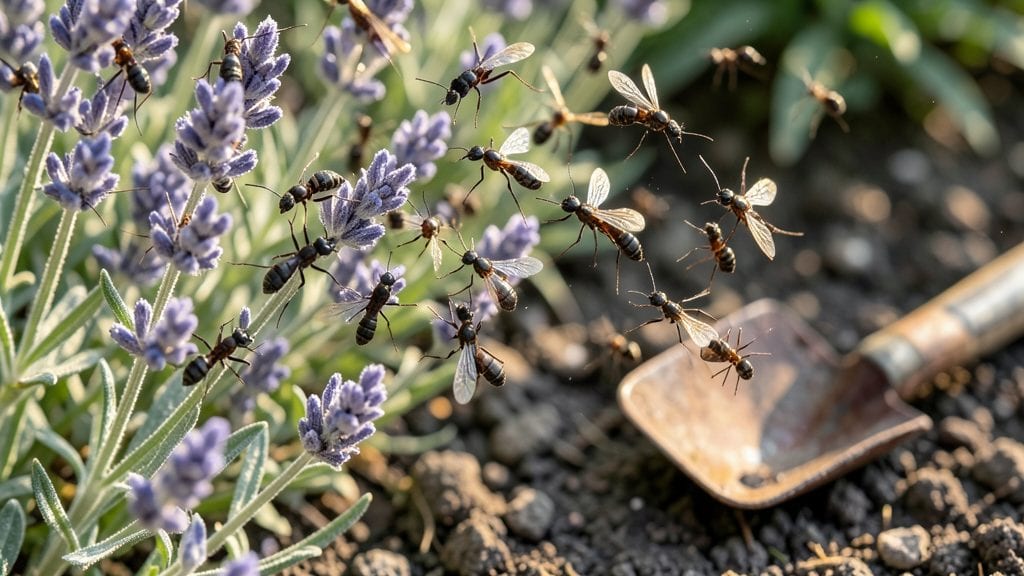
Flying ants in the garden aren’t just a nuisance—they’re a sign your yard is thriving. 🌿 I’ve battled these winged invaders for years, and the key isn’t killing them but redirecting them with simple, humane traps that work better than sprays.
The moment you spot them swarming, you know your soil is rich, but their nests can damage roots and attract pests.
Most people reach for chemicals, but that disrupts the ecosystem and harms beneficial insects. Instead, I use vinegar traps, soapy water stations, and diatomaceous earth barriers—all non-toxic methods that lure them away without harm.
The best part? These solutions take under 30 minutes to set up and require almost no maintenance once in place.
By the end of summer, you’ll have a garden where flying ants are a rare sight, not a daily headache. Your plants stay healthier, the soil remains undisturbed, and you avoid the chemical residue that lingers for months.
The traps even work on other winged pests like wasps and gnats, making them a multi-purpose defense for your outdoor space.
Works in any climate, from humid Southern gardens to dry Western landscapes. Here’s how to set up the traps before the next swarm hits—no guesswork, just results.
The Science Behind Swarm Seasons
If you’ve ever spotted tiny, winged ants swarming your garden like a chaotic aerial parade, you’re not alone. These dramatic events—often called nuptial flights—are nature’s way of ensuring the survival of the colony.
But why do they happen, and what triggers this mass exodus? Let’s break down the key factors behind these winged invaders.
Flying ants are highly sensitive to temperature. Their swarms typically emerge during short, warm spells following cooler weather, often in late spring or early summer. Here’s why:
- Metabolic Boost: Warmer air increases their body temperature, kickstarting their reproductive cycle. Ants are ectothermic, meaning they rely on external heat to activate their systems.
- Pheromone Signals: When temperatures rise above 60°F (15°C), worker ants release pheromones that signal the colony it’s time to reproduce. These chemical messages spread rapidly, mobilizing thousands at once.
- Humidity Matters: High humidity (60-80%) softens the ground, making it easier for newly mated queens to dig and establish nests. Dry soil can delay or prevent swarming entirely.
💡 Pro Tip: If your region experiences sudden warm snaps after rain, brace for a flying ant invasion within 24-48 hours. Monitor weather forecasts to stay ahead!
Ant colonies operate on a strict internal timeline. Flying ants don’t just appear randomly—they follow a multi-year reproductive cycle tied to the colony’s age and resources. Here’s how it works:
- Queen’s Lifespan: A single queen can live 10-15 years, but she only produces winged reproductives (males and females) once or twice per year, depending on the species.
- Resource Surplus: Colonies only launch swarms when they’ve accumulated enough food and worker ants to support the next generation. This usually happens in 2-3 year-old colonies.
- Genetic Programming: The swarm is triggered by a combination of day length (longer daylight hours) and nutritional reserves. Some species, like Lasius niger (common black garden ants), time their flights to coincide with peak plant blooming periods for easy access to nectar.
✨ Fun Fact: Male flying ants (drones) live only 24-48 hours after mating—their sole purpose is to fertilize queens. Females, however, can live for years once they find a suitable nesting spot.
Your garden isn’t just a random stopping point—it’s a perfect swarm hotspot if it meets their needs. Here’s what makes your outdoor space irresistible:
| Factor | Why It Matters |
|---|---|
| Moist, Loose Soil | Newly mated queens need soft ground to dig 1-2 inch-deep nests. Compacted or dry soil repels them. |
| Water Sources | Ponds, leaky hoses, or damp mulch provide hydration for swarms and future colonies. |
| Sheltered Spots | Piles of wood, rocks, or dense plant roots create ideal nesting sites away from predators. |
| Food Availability | Ants scout for protein (insects, pet food) and sugars (nectar, fruit). A garden with aphids or spilled seeds is a buffet. |
🔥 Actionable Tip: If you’ve noticed flying ants lingering, inspect your garden for hidden moisture traps (like overwatered areas) or protein-rich spots (e.g., bird feeders, compost piles). Removing these attractants can deter future swarms.
Some triggers are beyond your garden’s control, tied to broader ecological patterns:
- Rainfall Patterns: A warm rain shower can kickstart swarms by signaling ideal nesting conditions. Ants time their flights to avoid prolonged dry spells.
- Predator Pressure: If natural predators (like birds or spiders) are scarce, colonies may produce more winged reproductives to compensate.
- Urbanization Effects: In cities, flying ants often swarm earlier and more frequently due to warmer microclimates and abundant food sources from human activity.
🎯 Long-Term Strategy: While you can’t control the weather, reducing garden clutter and sealing entry points (like cracks in patios) limits where queens can establish new colonies.
Practical Fixes for Flying Ant Swarms
Flying ants in your garden can feel like an overwhelming invasion, but with the right approach, you can regain control—without harming these fascinating insects. Below are targeted solutions based on the most common causes, from quick fixes to long-term prevention.
Flying ants swarm when they’re searching for food or a new nesting site. Cut off their access with these steps:
- 🍳 Clean Up Food Sources
- Store pet food, compost, and fallen fruit in sealed containers—ants are drawn to protein, sugar, and moisture.
- Pro Tip: 💡 Sweep up crumbs and spills immediately, especially after picnics or barbecues.
- 🌡️ Reduce Moisture
- Fix leaky hoses, clogged gutters, and damp mulch—standing water attracts ants.
- Use gravel or sand around plant bases to improve drainage.
- 🔪 Trim Overgrown Plants
- Tall weeds and dense foliage provide hiding spots. Keep your garden neat and well-maintained.
If you’ve identified a nest (often near woodpiles, under logs, or in soil), humane removal is key:
- 👨🍳 Natural Repellents
- Cinnamon or citrus peels around entry points (ants hate these scents).
- Diatomaceous earth (food-grade)—sprinkle lightly near nests to dehydrate them (safe for pets once settled).
- 🏗️ Block Entry Points
- Seal cracks in walls, fences, or sheds with caulk or steel wool (ants can’t chew through it).
- Pro Tip: ✨ Place vinegar-soaked cotton balls in problem areas—ants avoid the smell.
- ⏰ Time It Right
- Flying ants are most active after rain. Act quickly—if you see swarms, the nest is nearby!
Once you’ve dealt with the current swarm, stop them from returning with these habits:
- 🌿 Plant Ant-Repelling Herbs
- Basil, mint, and lavender deter ants naturally. Plant them near entry points.
- 📊 Regular Garden Checks
- Inspect your yard monthly for new nests, especially after rain.
- 🚫 Avoid Chemical Traps
- Many commercial sprays kill beneficial insects. Instead, opt for humane traps (like soapy water solutions) or professional pest control if needed.
Final Thought: Flying ants are a natural part of the ecosystem—focus on deterrence, not destruction. With these steps, your garden can stay pest-free while keeping the environment safe for all creatures!
Frequently asked questions
Are flying ants harmful to my garden plants?
Flying ants themselves rarely damage mature plants, but their nests can disrupt soil health. The real issue is when they attract other pests like wasps or disrupt beneficial insects. Their tunneling may also harm shallow-rooted plants. Focus on relocating them rather than eliminating them entirely.
Why do flying ants appear in my garden after rain?
Rain triggers swarms because it creates ideal nesting conditions. The moisture softens soil for queens to establish nests, and humidity helps their wings stay functional. Warm rain after cooler weather is especially effective at sparking these nuptial flights within 24-48 hours.
How do I tell if flying ants are nesting in my garden?
Look for small mounds (1-2 inches tall) near woodpiles, under rocks, or in loose soil. You'll also see worker ants (wingless) carrying food back and forth during daylight. If you spot swarms, the nest is likely within 50 feet of where you see them.
Will vinegar traps actually work for flying ants?
Yes! Mix equal parts water and white vinegar in a shallow container with a little dish soap. The scent attracts them, and the soap breaks their wings. Place traps near entry points during swarm season. Replace every 2-3 days for best results.
Can flying ants be confused with termites?
Yes, but there are key differences. Flying ants have bent antennae and a narrow waist, while termites have straight antennae and equal-width bodies. Termites also shed wings immediately after landing, while flying ants keep theirs longer. If unsure, check for discarded wings near windowsills.