Landscaping
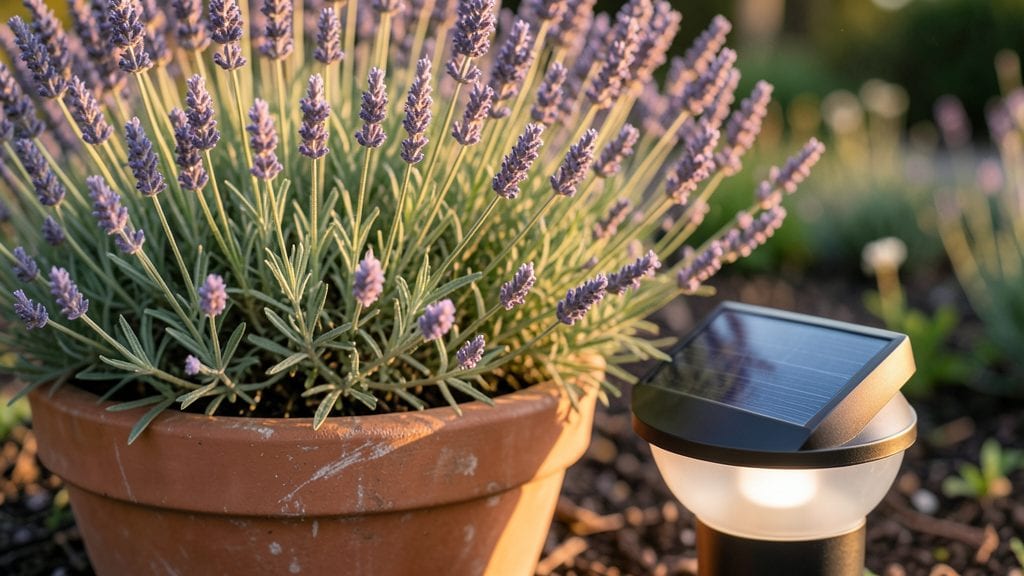
A cremation garden design becomes a living tribute where every plant tells a story. 🌿 I’ve designed these spaces for families, and the most meaningful ones blend practicality with deep symbolism—perennials that return year after year, pathways that invite quiet reflection, and materials that weather gracefully.
The key isn’t just beauty; it’s creating a place that feels like a conversation with those who’ve passed.
Start with hardy plants that thrive in your climate, like lavender for its calming scent or white roses for enduring elegance. Add a simple stone bench or a curved flagstone path to guide visitors through the space.
Eco-friendly materials—like reclaimed wood or locally sourced stone—tie the garden to the land while keeping maintenance low. The goal is a space that feels intentional, not overwhelming.
You’ll end up with a garden that grows more meaningful with each season. The first blooms in spring become a tradition, the rustling leaves in autumn carry whispers of memory, and even the winter bareness holds quiet dignity. This isn’t just landscaping; it’s crafting a legacy that outlasts time.
Whether you’re designing for a loved one or planning ahead, the principles stay the same: choose plants with purpose, build with permanence, and let the space evolve naturally. Here’s how to make it happen—step by thoughtful step.
📚 In This Guide
- What you need
- Instructions
- Tips and common mistakes
- Wrapping up and next steps
What you need
- ● Soil & Mulch: Topsoil (2–4 cubic yards, depending on garden size)
- ● Organic mulch (e.g., cedar chips, pine straw) – 1–2 bags
- ● Plants & Flora: Perennials (e.g., lavender, roses, or native wildflowers) – 3–5 plants
- ● Evergreens (e.g., boxwood, juniper) – 2–4 shrubs
- ● Ornamental grasses (e.g., fountain grass, maiden grass) – 1–3 clumps
- ● Memorial Elements: Urns or urn holders (weather-resistant, e.g., copper, stone, or ceramic)
- ● Gravestone or engraved marker (if applicable)
- ● Sand or gravel (for pathways or borders – 5–10 lbs)
- ● Tools: Shovel & spade
- ● Garden trowel
- ● Wheelbarrow (for soil transport)
- ● Pruners & shears
- ● Measuring tape & string (for layout)
- ● Lighting: Solar-powered path lights or uplighting (3–6 units)
- ● Water Features: Small fountain or birdbath (battery-operated for ease)
- ● Seating: Bench or stone seat (weatherproof materials like teak or concrete)
- ● Personal Touches: Custom engravings on stones or plaques
- ● Wind chimes or decorative wind spinners
- ● Seasonal flowers (e.g., tulips, daffodils for spring)
- ● Location: Check local regulations (some cemeteries or private properties require permits for cremation gardens).
- ● Sunlight & Drainage: Assess your site’s sunlight exposure and soil drainage—adjust plant choices accordingly.
- ● Maintenance Plan: Decide if you’ll hire a landscaper or DIY (perennials need less upkeep than annuals!).
- ● Weather Resistance: Prioritize materials that withstand rain, wind, and temperature fluctuations (e.g., stone over wood).
Step-by-step instructions for creating a cremation garden design
Transform a quiet corner into a peaceful memorial with intentional plants and thoughtful layout.
🪴 Step 1: Choose a Meaningful Location and Layout
Select a spot that feels sacred to you—perhaps where sunlight filters gently or where you can sit quietly. A 4-foot by 4-foot square works well for four memorials, though you can expand as needed. I like to place the garden near existing plants or along a path where visitors will naturally pause.
Sketch a simple design first. A circular arrangement symbolizes eternity, while a linear row can represent a family line. Mark where each urn or marker will go—leave 18-24 inches between plants so they don’t compete for sunlight or water. If you’re using a bench or stone, position it where you can face the garden during reflection.
🌱 Step 2: Select Plants with Symbolic Meaning
Choose plants that resonate with your loved one’s personality or beliefs. For enduring memories, evergreens like boxwood or juniper stay green year-round, symbolizing eternal life. If you prefer seasonal beauty, roses (red for love, white for purity) or lavender (calm and remembrance) add color and fragrance.
Consider low-maintenance options like sedum or ornamental grasses—they thrive with minimal care, much like the love you want this garden to represent. Avoid anything invasive; you want this space to feel permanent and intentional. I always include at least one plant that blooms in each season so the garden stays vibrant year-round.
☀️ Step 3: Prepare the Soil and Plant with Intention
Remove any grass or weeds from the area, then loosen the soil to a depth of 6-8 inches with a garden fork. Mix in 2 inches of compost to help plants establish strong roots—this ensures they’ll thrive for years to come. If your soil drains poorly, add a layer of sand or gravel at the bottom to prevent waterlogging.
Plant each memorial plant carefully, placing it at the depth it was growing before. Water deeply right after planting to settle the soil and encourage root growth. I like to add a small flat stone or marker near each plant to honor the individual, even if it’s just a simple engraved plate. This step is about creating a space that feels personal and enduring.
✂️ Step 4: Add Finishing Touches for Reflection
Enhance the garden with elements that invite quiet contemplation. A small fountain or wind chime adds soothing sound, while solar-powered lights let you visit at dusk. If you’d like, include a simple wooden bench or stone seat where you can sit and remember.
Mulch the area with 2-3 inches of wood chips or gravel to suppress weeds and retain moisture. This keeps the garden looking neat while reducing maintenance. Finally, step back and let the space settle—this is a garden meant to grow with your memories, not just your plants.
💧 Step 5: Maintain with Care and Respect
Water new plants once a week for the first month, then taper off as they establish. Most memorial plants prefer moderate sunlight (4-6 hours daily), but check each variety’s needs—some, like ferns, thrive in shade. I set a reminder to visit the garden monthly, trimming spent blooms and adding fresh mulch as needed.
This garden is a living tribute, so treat it with the same care you’d give a cherished keepsake. Over time, it will become a place of peace, where every leaf and bloom carries meaning. That’s the beauty of a cremation garden—it grows deeper with each visit.
Tips & tricks for creating a meaningful cremation garden
Here's what I've learned to help you create a garden that feels deeply personal and enduring—without the stress.
The Location Factor: Trust your instincts when choosing a spot. If it feels sacred to you, it will feel sacred to others too. I once picked a location because it had a gentle breeze, and now it's where I visit most often. Consider how sunlight moves throughout the day—morning light might feel more peaceful for some, while others prefer the golden hour glow.
Plant Selection Wisdom: Evergreens like boxwood or juniper are my go-to choices because they stay green year-round, symbolizing eternal life. For seasonal interest, I always include at least one plant that blooms in each season—this keeps the garden vibrant and meaningful throughout the year. If you're unsure which plants to choose, think about your loved one's favorite colors or the qualities they admired most.
Soil Preparation Secret: That 6-8 inch soil depth you're supposed to loosen is crucial for root establishment. I've found that adding 2 inches of compost makes all the difference in helping plants thrive. If your soil drains poorly, don't skip the sand or gravel layer—it prevents waterlogging that can harm roots. This step might feel tedious, but it's what ensures your garden will last for years.
Maintenance Made Easy: The once-a-week watering for the first month is non-negotiable—it's the foundation for strong root growth. After that, I've found that setting a monthly reminder to trim spent blooms and refresh mulch keeps the garden looking intentional with minimal effort. Think of it as a monthly ritual of remembrance rather than just maintenance.
Pro Tips for Cremation Garden Design
- Here's what I've learned to help you create a garden that feels deeply personal and enduring—without the stress.
- The Location Factor: Trust your instincts when choosing a spot.
- Plant Selection Wisdom: Evergreens like boxwood or juniper are my go-to choices because they stay green year-round, symbolizing eternal life.
Frequently asked questions
What’s the best time of year to plant a cremation garden?
The ideal time depends on your climate, but spring or early fall are the most common choices. Spring allows plants to thrive as temperatures warm, while fall gives roots time to establish before winter. Avoid extreme heat or frost—both can stress new plantings. If planting urns or memorial markers, ensure the ground isn’t frozen or waterlogged.
How do I choose plants that symbolize my loved one’s personality?
Start by selecting plants tied to their favorite colors, hobbies, or life themes. For example:
- Bluebonnets or lavender for calm, serene souls.
- Sunflowers or daisies for joy and vitality.
- Evergreens (like boxwood or pine) for enduring love.
- Herbs (rosemary, thyme) if they loved cooking or healing.
How long does it take for a cremation garden to “settle in”?
Most gardens take 6–12 months to fully mature, depending on plant types. Fast-growing annuals (like marigolds or impatiens) may bloom in weeks, while trees or shrubs could take years. Urns or memorial stones can be placed immediately, but allow time for soil to stabilize around them. Patience ensures a lasting, harmonious space.
Can I mix cremation ashes with soil in the garden?
Yes! Many people scatter ashes directly into the soil or mix them into compost for planting. If using urns, opt for biodegradable containers designed for this purpose. Avoid metal or plastic urns buried underground—they won’t decompose. Always check local regulations, as some areas require specific burial methods or permits.
What if my garden isn’t thriving? Troubleshooting tips?
Common issues and fixes:
- Wilting plants: Check soil moisture—overwatering or drought can harm roots. Mulch helps retain moisture.
- Weeds overtaking memorials: Use organic mulch or hand-pull weeds regularly to preserve the space.
- Slow growth: Ensure plants get 6+ hours of sunlight daily (check their care labels) and amend soil with compost if needed.
- Erosion around urns: Add gravel or decorative rocks to stabilize the area and prevent shifting.
Most gardens just need time and tender care—what matters most is the love and intention behind them.
Wrapping up and next steps
Creating a cremation garden design is a deeply meaningful way to honor loved ones while fostering peace and reflection. Whether you choose native plants, memorial stones, or serene pathways, every element can carry lasting symbolism and comfort.
This sacred space isn’t just a tribute—it’s a living legacy that grows with time.
Ready to bring your vision to life? Start by sketching a rough layout, gathering materials, and reaching out to local landscapers or memorial garden specialists for guidance. Your garden will become a place of solace—and that’s a gift that keeps on giving. 💧🌿