Pests
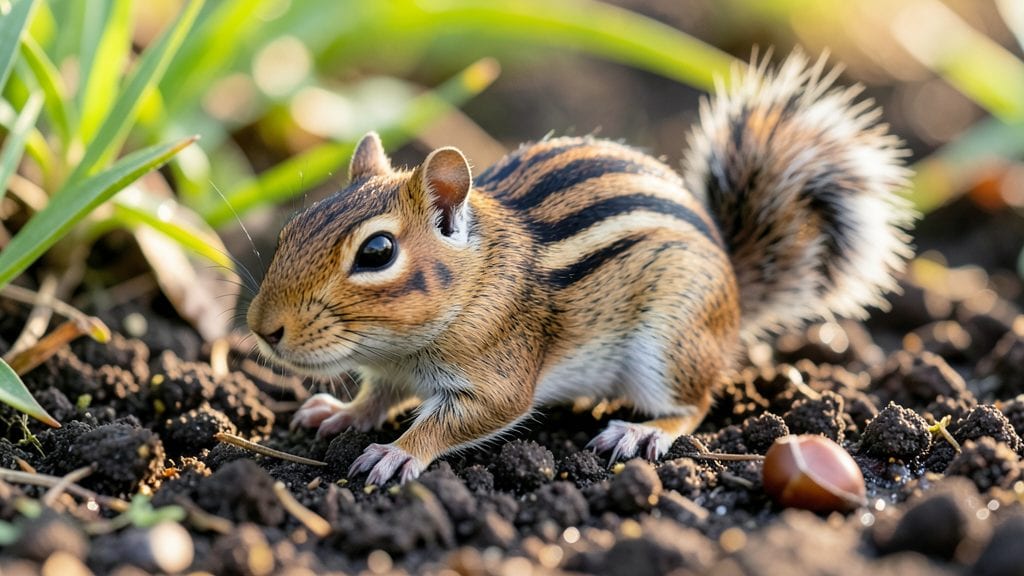
Finding half-eaten seeds and tiny tunnels in your garden bed is the worst—until you learn these fast-acting chipmunk deterrents that actually work. 🌱 I’ve lost count of the seed packets they’ve raided, but after testing these methods, my garden finally feels safe again.
The key isn’t just scaring them off—it’s making your space less appealing than the woods next door.
Most solutions take less than 20 minutes to set up and use supplies you likely already have: hardware cloth, cayenne pepper, or even a few strategic plants. The trick is combining physical barriers with smells and sounds chipmunks hate.
I’ll show you exactly how to layer these without harming other wildlife—because even pests deserve a little respect.
Within 48 hours, you’ll see fewer tiny paws digging through your soil. Your seeds stay intact, bulbs stay buried, and you won’t wake up to chipmunks chattering from your bird feeder like uninvited guests. The best part? These methods work year after year, not just for one season.
Works for raised beds, in-ground gardens, and even container setups—no matter how stubborn your chipmunk problem. Let’s get them out of your garden for good without turning to traps or poison.
📚 In This Guide
- What you need
- Instructions
- Tips and common mistakes
- Wrapping up and next steps
What you need
- ● Repellent Sprays: 1–2 bottles of peppermint oil spray (10–16 oz, 100% pure peppermint oil)
- ● 1 bottle of hot pepper spray (capsaicin-based, 8–16 oz)
- ● Physical Barriers: Hardware cloth or wire mesh (¼-inch mesh, 4’x8’ sheets)
- ● Staple gun + staples (for securing mesh)
- ○ Plastic or metal garden edging (optional, for raised beds)
- ● Natural Deterrents: 1–2 predator urine granules (fox or coyote, 1 lb bag)
- ● Fresh citrus peels (oranges, lemons—free!)
- ● 1–2 castor oil pellets (1 lb bag, non-toxic)
- ● DIY Traps (Humane!):strong> Plastic storage bins (5–10 gallon size, 2–3 bins)
- ● Non-slip mats or cardboard (for traction inside traps)
- ● Treats like sunflower seeds or peanuts (as bait)
- ● Motion-activated sprinkler (for water-sensitive areas)
- ● Ultrasonic repellent devices (battery-operated)
- ● Compost bin with a tight lid (to remove food sources)
- ● Gloves (if handling hot pepper spray or predator urine)
Step-by-Step instructions for fast chipmunk deterrents in the garden
Here’s how to keep chipmunks out of your garden—without waiting weeks for results.
🪴 Step 1: Identify and Block Entry Points
Start by walking your garden’s perimeter and look for small holes—chipmunks can squeeze through gaps as narrow as 2 inches. Check under fences, along foundations, and near sheds. Seal these entry points with hardware cloth (not chicken wire—it’s too easy for them to chew through). Bury the edges 6 inches deep to prevent digging.
Pay attention to mulch piles and leaf litter too. Chipmunks nest in dense, hidden spots, so rake away debris near planting beds. If you spot fresh burrows, fill them with rocks or sand—they won’t dig through these. This step alone cuts off their access in under an hour.
💧 Step 2: Use Repellents They Hate
Chipmunks avoid strong smells, so mix 1 part cayenne pepper with 2 parts water in a spray bottle. Lightly mist plants, especially near entry points. Reapply after rain or every 3-4 days. The capsaicin irritates their noses, making them avoid the area.
For a longer-lasting option, scatter coffee grounds around garden edges. The bitter scent repels them, and it doubles as fertilizer. Refresh every 5-7 days—wet grounds lose effectiveness faster. Avoid overapplying, though; too much can harm soil pH over time.
☀️ Step 3: Set Up Motion-Activated Deterrents
Place motion-activated sprinklers near high-traffic areas (like veggie beds). The sudden spray startles chipmunks and trains them to avoid the zone. Set them on low pressure—you just want a light mist, not a flood. These work immediately and require no maintenance beyond occasional battery checks.
If sprinklers aren’t an option, try reflective tape or old CDs strung between plants. The flashing light confuses their tiny brains, making them think predators are lurking. Move the tape every few days so they don’t get used to it. This is a zero-effort solution once set up.
✂️ Step 4: Remove Food Incentives Fast
Chipmunks dig for seeds, bulbs, and fallen fruit. Collect all dropped produce daily and store it in sealed containers. For seeds, use wire mesh (with holes smaller than ¼ inch) to cover seed packets or raised beds. They can’t reach through, but squirrels and birds can still access them.
If they’re targeting specific plants (like tulip bulbs), wrap the soil around them with hardware cloth before planting. This prevents digging without harming the roots. Check for fresh disturbances every morning—removing temptation is the fastest way to stop their visits.
⏰ Step 5: Monitor and Adjust Quickly
Within 24-48 hours, check for new burrows, chewed plants, or scattered seeds. If you still see activity, rotate repellents—chipmunks get used to one method fast. Swap cayenne spray for granular repellent (like hot pepper flakes mixed with sand) or try ultrasonic devices near problem spots.
Real talk: If deterrents fail after a week, the issue might be food sources outside your garden. Check sheds, compost bins, or neighboring yards for easy snacks. Chipmunks will always choose the easiest meal, so eliminate their backup options too.
Tips & tricks for fast chipmunk deterrents
These quick strategies will help you tackle chipmunk problems in record time—no waiting weeks for results.
Speed is Key: Chipmunks are opportunistic, so act fast! In Step 1, when you're sealing entry points, focus on the most obvious holes first—they'll be using these immediately. I've seen chipmunks abandon gardens completely within 24-48 hours when their access is cut off. Don't waste time on tiny gaps; prioritize the 2-inch openings and larger burrows.
Repellent Rotation: Chipmunks get used to smells quickly, so don't rely on just cayenne spray or coffee grounds. In Step 2, I recommend alternating between these every 3-4 days. For example, use cayenne spray on Monday, switch to coffee grounds on Thursday, then try a granular repellent on Sunday. This keeps them guessing and prevents them from adapting to one scent.
Zero-Effort Deterrents: The motion-activated sprinklers in Step 3 are my top recommendation for busy gardeners. They work immediately and require almost no maintenance. If you're not ready to invest, try the reflective tape trick—it's completely free and takes less than 10 minutes to set up. Just remember to move the tape every few days so chipmunks don't learn to ignore it.
Food Source Strategy: In Step 4, when removing food incentives, think beyond just your garden. Check sheds, compost piles, and even neighboring yards for easy snacks. Chipmunks will always go for the easiest meal first. I've had success placing a small container of cayenne-spiked water near problem areas—it deters them without harming plants or beneficial insects.
Pro Tips for Chipmunks In Garden
- These quick strategies will help you tackle chipmunk problems in record time—no waiting weeks for results.
- Speed is Key: Chipmunks are opportunistic, so act fast!
- Repellent Rotation: Chipmunks get used to smells quickly, so don't rely on just cayenne spray or coffee grounds.
Frequently asked questions
Got questions about those cute but pesky chipmunks? Here are some common concerns—and quick solutions—to keep your garden chipmunk-free without the stress.
Are chipmunks harmful to my garden?
Chipmunks are mostly harmless, but they can dig up bulbs (like tulips and daffodils), eat fruits, veggies, and seeds, and damage young plants. Their burrows can also weaken soil structure. While they don’t spread disease, their foraging habits can leave your garden looking messy.
How long does it take for deterrents to work?
Most deterrents (like repellents, fencing, or natural predators) show results within 3–7 days of consistent use. For stronger solutions, like motion-activated sprinklers or habitat removal, you might see changes in 1–2 weeks. Patience is key—chipmunks are smart and may take time to adjust!
What’s the best way to keep chipmunks out long-term?
A combination approach works best:
- Physical barriers: Bury fencing at least 12 inches deep to block burrows.
- Habitat control: Remove food sources (fallen fruit, birdseed, pet food) and seal trash cans.
- Natural deterrents: Use predator urine (fox or coyote), cayenne pepper, or castor oil sprays.
Can I safely relocate chipmunks instead of deterring them?
Relocating chipmunks is not recommended—they’re territorial and often return. Plus, many areas prohibit it without a permit. Instead, focus on making your garden less appealing (e.g., removing food, securing compost bins) or encouraging natural predators like owls or snakes. If you must move one, check local wildlife laws first!
Will chipmunks eat my vegetables or flowers?
Yes!
Chipmunks love:
- Vegetables: Lettuce, beans, peas, corn, and squash.
- Flowers: Tulips, daffodils, and crocuses (they dig up bulbs!).
- Fruits: Strawberries, tomatoes, and fallen apples.
Wrapping up and next steps
Dealing with chipmunks in your garden doesn’t have to be a losing battle! 🐿️ With the right mix of deterrents—like natural repellents, physical barriers, and strategic landscaping—you can reclaim your space without harming these tiny critters. Start small, experiment with a few methods, and stay consistent for the best results.
Ready to take action? Pick one or two techniques from this guide and test them this week! Your garden (and your veggies) will thank you. Happy gardening! 🌱