Flowers
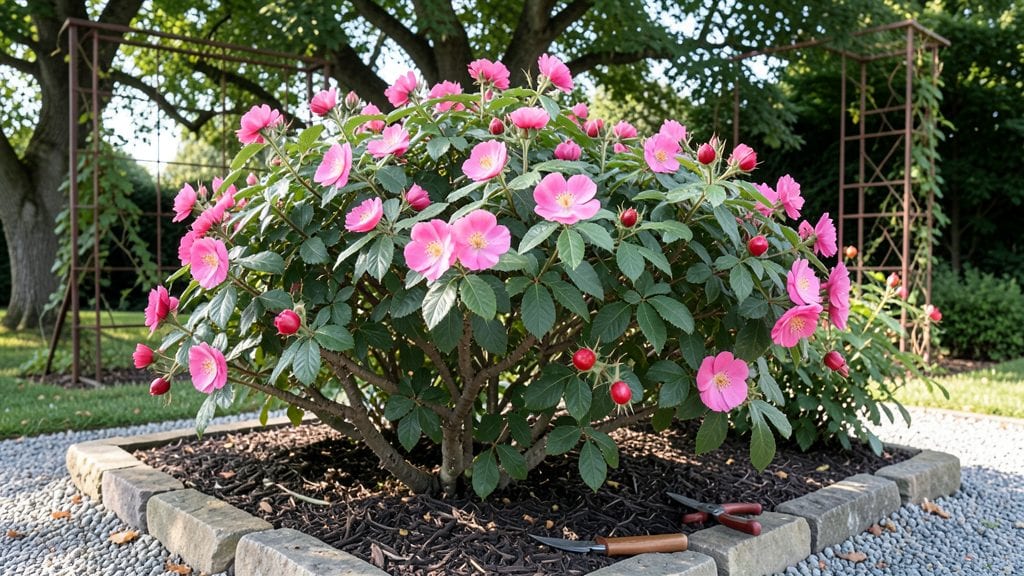
Thorny flowers aren't just tough—they're your garden's secret weapon. 🌿 I planted barberry bushes along my fence line last spring, and now I've got a natural pest barrier that looks stunning while keeping deer, rabbits, and even squirrels at bay.
The sharp stems deter critters without chemicals, and the golden foliage adds year-round texture that most plants can't match.
These plants thrive in full sun to partial shade and handle drought once established, making them low-maintenance stars. Pair them with roses for a romantic cottage vibe or mix with ornamental grasses for a modern, textured look.
The key is spacing them about 3 feet apart to let them fill in naturally without overcrowding.
You'll love how they transform problem areas into focal points—think entryways, property lines, or even container gardens on patios. The thorns don't mean they're high-maintenance; in fact, they often require less pruning than their thornless cousins because pests leave them alone.
For safety, keep them away from high-traffic areas where kids or pets play. With the right placement, these tough beauties become your garden's workhorse while adding drama and structure that other plants simply can't provide.
📚 In This Guide
- What you need
- Instructions
- Tips and common mistakes
- Wrapping up and next steps
What you need
- ● Thorny flowering plants: Roses (e.g., Rosa rugosa, Rosa 'Dr. Huey') – 3-5 bushes (spaced 3-5 ft apart)
- ● Barberry (Berberis spp.) – 3-4 shrubs (3-4 ft apart)
- ● Pyracantha (Pyracantha coccinea) – 2-3 plants (4-6 ft apart)
- ● Hawthorn (Crataegus spp.) – 1-2 small trees (10-15 ft mature height)
- ● Goumi berry (Elæagnus multiflora) – 2-3 plants (4-5 ft apart)
- ● Soil amendments: Compost (1-2 bags per plant hole)
- ● Organic mulch (e.g., wood chips or straw – 2-3 inches thick)
- ● Planting tools: Trowel or hand shovel
- ● Garden fork (for loosening soil)
- ● Pruning shears (for trimming roots or shaping)
- ● Watering: Drip irrigation kit or soaker hose (for consistent moisture)
- ● Watering can (for seedlings)
- ● Protection: Garden gloves (thorn-resistant, if needed!)
- ● Knee pads (for comfort)
- ○ Design touches (optional): Garden stakes or trellises (to support climbing thorny vines like Rosa wichurana)
- ● Decorative rocks or edging (to define plant borders)
- ● Full-sun location (6+ hours of sunlight daily) or partial shade (for some barberries)
- ● Well-draining soil (amend heavy clay with compost or sand)
- ● Patience! Thorny plants take 1-3 years to establish a dense, pest-deterring barrier.
How to plant thorny flowers for natural pest deterrence
Here's my go-to approach for creating a thorny flower barrier that keeps pests out while adding beauty year-round.
🌱 Step 1: Select and Prepare Your Thorny Flower Varieties
Choose from roses, pyracantha, barberry, or hawthorn—all excellent for pest control. I recommend starting with 4-6 plants spaced 3-4 feet apart to create an effective barrier. Dig holes twice as wide and slightly deeper than the root balls to encourage root spread.
Amend the planting hole with compost mixed into the native soil. This improves drainage and gives roots a nutrient boost right away. Thorny plants need good airflow to stay healthy, so avoid planting them too close to walls or dense shrubs.
🪴 Step 2: Plant Deeply for Strong Root Establishment
Place each plant in its hole, ensuring the top of the root ball sits 1 inch below soil level. This prevents stem rot from surface water pooling. Fill the hole with native soil, pressing gently to remove air pockets while keeping the roots secure.
Water deeply immediately after planting to settle the soil. You'll know it's right when water drains freely from the bottom of the hole. Mulch around the base with 2-3 inches of organic mulch, keeping it 6 inches away from the stem to prevent rot.
☀️ Step 3: Position for Maximum Pest-Deterrent Effect
Plant along property edges, garden borders, or near vegetable patches where pests are most active. Thorny plants need full sun (6+ hours daily) to develop strong, healthy growth. I like to stagger plants in staggered rows so there are no gaps for pests to sneak through.
Watch for leggy growth in the first year—this means your plants need more light. If stems stretch toward the sun, move them to a sunnier spot or add a reflective surface nearby to bounce extra light onto them.
✂️ Step 4: Prune Strategically for Dense Growth
Prune in late winter or early spring before new growth begins. Remove any dead, diseased, or crossing branches first. Then cut back 1/3 of the oldest stems to encourage new, vigorous growth. This keeps the barrier thick and impenetrable.
Thorny plants naturally produce more thorns when pruned correctly. You'll see new thorns form within 4-6 weeks of pruning. Avoid heavy pruning in fall—it reduces winter hardiness and invites pests to overwinter in the plant.
💧 Step 5: Water and Fertilize for Long-Term Pest Resistance
Water deeply once weekly during the first growing season to establish roots. After that, most thorny plants tolerate drought once established. You'll know they're getting enough water when leaves stay deep green and stems feel firm to the touch.
Apply a balanced fertilizer (10-10-10) in early spring and again in midsummer. Over-fertilizing leads to soft, weak growth that attracts pests. Always water after fertilizing to prevent root burn.
Tips & tricks for perfect thorny garden barriers
A few key tricks will help your thorny flower barrier thrive and keep pests at bay for years to come.
Plant Selection: Roses and pyracantha are my top picks for dense thorn coverage, while barberry and hawthorn offer excellent pest resistance with fewer maintenance needs. For maximum impact, mix varieties—taller plants like pyracantha work well at the back of your barrier, while lower-growing roses or barberry create a thick base. This layered approach prevents pests from finding weak spots in your defense line.
Soil Preparation: The compost amendment in Step 1 is non-negotiable—it creates the perfect environment for strong root development. I like to add a handful of bone meal to the planting hole too (optional but helpful) for extra phosphorus, which encourages robust root growth. This gives your plants the energy they need to produce more thorns naturally. Always test your soil first—thorny plants prefer slightly acidic to neutral soil (pH 6.0-7.0).
Lighting Strategy: That leggy growth warning in Step 3 is a big clue—thorny plants need serious sun to develop strong stems and abundant thorns. If your garden has shady spots, consider using reflective mulch or installing a small solar-powered garden light to supplement sunlight. I've seen dramatic improvements in plant health after adding these simple lighting boosts.
Pruning Precision: When you cut back that 1/3 of oldest stems in Step 4, make your cuts just above an outward-facing bud. This encourages new growth to spread outward, creating a denser barrier. I like to prune on a dry day when the plants are dormant—this reduces stress on the plant and minimizes disease risk. Always sterilize your pruners with rubbing alcohol between cuts to prevent spreading any potential infections.
Pro Tips for Thorny Garden Flowers
- A few key tricks will help your thorny flower barrier thrive and keep pests at bay for years to come.
- Plant Selection: Roses and pyracantha are my top picks for dense thorn coverage, while barberry and hawthorn offer excellent pest resistance with fewer maintenance needs.
- Soil Preparation: The compost amendment in Step 1 is non-negotiable—it creates the perfect environment for strong root development.
Frequently asked questions
Got questions about adding thorny garden flowers to your pest-deterring landscape? You’re not alone! Here are some of the most common queries—and straightforward answers—to help you plan with confidence.
Which thorny flowers are best for small gardens?
If space is limited, opt for compact varieties like Rosa rugosa (a hardy shrub rose) or Pyracantha (firethorn). Both pack thorns and vibrant blooms without sprawling. For vertical barriers, try Berberis thunbergii (barberry)—its sharp spines deter critters while adding texture.
How long does it take for thorny plants to grow into an effective barrier?
Most thorny flowers establish quickly but reach full pest-deterring potential in 1–3 years. Annuals like Zinnia elegans (with spiky stems) offer immediate protection, while perennials like Rubus fruticosus (blackberry) take 2–3 seasons to fill out. Plant in spring for the fastest results!
Will thorny flowers harm bees or beneficial pollinators?
Not at all! Thorns protect plants from deer, rabbits, and squirrels, not pollinators. In fact, many thorny flowers—like Rosa species—are bee magnets. Choose native varieties to support local ecosystems while keeping pests at bay.
Do I need to prune thorny plants aggressively?
Pruning depends on the plant, but most thorny flowers thrive with light maintenance. Trim dead branches in early spring to encourage new growth, and shape sprawling varieties (like Smilax) to control their spread. Wear gloves—thorns are sharp!
Are there non-thorny alternatives for pest control?
Yes! If thorns aren’t your style, try alliums (garlic chives) for their strong scent, lavender (deters mosquitoes), or foxglove (toxic to deer). For physical barriers, boxwood hedges or holly bushes work well too. Layer with fragrant herbs like rosemary for extra pest-repelling power.
What if thorny plants attract more pests (like wasps) instead?
Thorny flowers rarely attract wasps unless they’re decaying or overripe. To minimize risks, keep plants healthy with regular pruning and watering. Avoid placing thorny barriers near high-traffic areas or food sources (like compost bins). Most pests prefer weak, stressed plants!
Wrapping up and next steps
Transforming your garden into a thorny fortress isn’t just clever—it’s a game-changer for keeping pests at bay while adding stunning, year-round character. From roses to pyracantha, these prickly beauties offer natural protection without harsh chemicals, letting you enjoy a thriving, low-maintenance space. 🌿✨
Ready to take the next step? Start small—plant a few barrier-friendly thorny flowers along your garden’s edges or near problem areas. Watch as your garden becomes a pest-free paradise while showcasing nature’s toughest (and most beautiful) defenses!