Landscaping
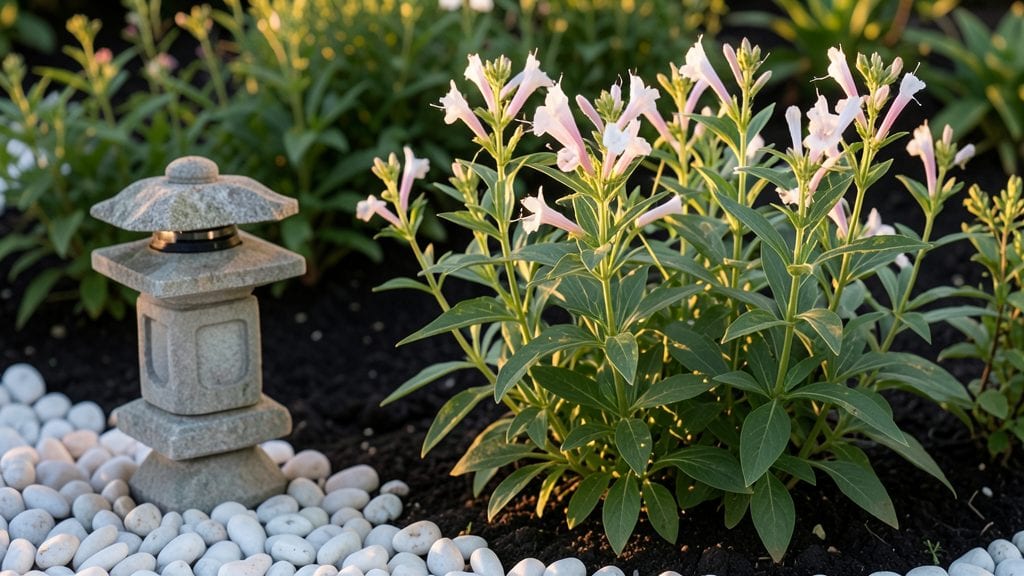
Moon garden designs transform your yard into a nocturnal paradise where white blooms glow under moonlight and moths flutter like living lanterns. ✨ I stumbled onto this idea after watching my night-blooming jasmine attract hummingbirds at dusk—something I’d never noticed before.
The magic happens when you pair fragrant flowers with reflective surfaces like smooth stones or water features.
Start with low-maintenance plants like evening primrose, moonflower vine, or white daisies that thrive in partial shade and need minimal watering once established. Add a winding gravel path to guide visitors through the space, and consider seating near the center for stargazing.
The goal is to create a serene, functional garden that feels like a secret retreat after dark.
You’ll end up with a garden that hums with life when most yards are silent—think of the quiet rustle of leaves, the sweet scent of night-blooming stock, and the way moonlight turns petals into silver coins.
The best part? This design works year-round, with some plants like winter jasmine adding structure even in colder months.
For creative twists, try an edible moon garden with white strawberries or silver-foliaged herbs like dusty miller. Or go bold with a "moonlit herb spiral" featuring fragrant plants like lemon balm and lavender. The possibilities are endless, and the only limit is your imagination.
📚 In This Guide
- What you need
- Instructions
- Tips and common mistakes
- Wrapping up and next steps
What you need
- ● Night-blooming plants: Moonflower vine (Ipomoea alba) – 2-3 plants (fast-growing, climbs 10-15 ft)
- ● Evening primrose (Oenothera) – 5-7 plants (self-seeding, drought-tolerant)
- ● Night-scented stock (Matthiola longipetala) – 3-5 plants (fragrant, 12-18" tall)
- ● Angel’s trumpet (Brugmansia) – 1-2 plants (dramatic, toxic—handle with gloves!)
- ● White or pale flowers (e.g., Datura, Dianthus, Lilies) – 5+ plants (high contrast for moonlight)
- ● Soil amendments: Compost (5-10 lbs per planting area) – Boosts fertility for pollinators
- ● Slow-release fertilizer (10-15-10, 1 lb per 10 sq ft) – Ensures steady growth
- ○ Lighting (optional but magical!): Solar-powered path lights (3-5 units, 12V, warm white or amber)
- ● Battery-operated spotlights (1-2 units, dimmable, for focal points)
- ● Garden trowel (stainless steel, 6-8" blade) – For precise planting
- ● Pruning shears (bypass, sharp) – 1 pair for trimming and shaping
- ● Garden gloves (nitrile-coated, medium size) – Protects hands from thorns/toxins
- ● Wheelbarrow or bucket (5-gallon) – For hauling soil/amendments
- ● Measuring tape (10 ft) – Marks planting distances (3-6 ft apart for most plants)
- ● Watering can (1-2 gallon) or hose with adjustable nozzle – Gentle watering is key!
- ● Location: Partial to full shade (4+ hours of dappled light/day) or deep shade in hot climates. Avoid windy spots—plants need stillness to release fragrances!
- ● Water source: Drip irrigation or soaker hose (1-2 hours, 2-3x/week) – Moon gardens hate soggy roots but need consistent moisture.
- ● Pollinator-friendly zone: Avoid pesticides! 🐝🦋 (Neonicotinoids are a no-go for hummingbirds and moths.)
- ● Seasonal timing: Plant in early spring (6-8 weeks before last frost) or late summer for fall blooms.
Step-by-step instructions for creating your moon garden
Here’s how to craft a dreamy nighttime retreat that thrives after dark.
🌱 Step 1: Choose Your Moon Garden Spot
Pick a location that gets partial shade to full sun during the day but remains bathed in moonlight at night. I always look for spots near a window, fence, or patio where the glow of the moon will highlight your blooms. Avoid low-lying areas where dew or frost might linger—moon garden plants need good airflow to prevent fungal issues.
Test your spot by observing how sunlight shifts throughout the day. If the area stays in shade all afternoon but catches evening light, it’s perfect. Night-blooming plants like evening primrose and moonflower will reward you with fragrance and color when most gardens are asleep.
🌿 Step 2: Select Night-Blooming Plants and Companion Flowers
For a true moon garden, focus on plants that open their petals after dusk. My go-to nighttime stars include evening primrose (for its golden glow), moonflower vine (for its silvery-white blooms), and night-blooming jasmine (for its intoxicating scent). Add daytime pollinator favorites like bee balm and coneflowers to keep bees and moths visiting around the clock.
Mix textures and heights for visual interest—tall datura or angel’s trumpet as backdrops, medium four o’clocks in the middle, and low creeping phlox or sweet alyssum at the front. I always group plants by their bloom times so the garden feels alive at every hour.
💧 Step 3: Prepare the Soil for Moonlit Blooms
Moon garden plants thrive in well-draining, slightly acidic soil with plenty of organic matter. Amend your soil with 2-3 inches of compost and a handful of slow-release fertilizer to give them a nutrient boost. Work it in gently—you don’t want to disturb roots later. If your soil is heavy clay, mix in some sand or perlite to improve drainage.
I like to add a layer of mulch after planting to retain moisture and regulate soil temperature. Use a light mulch like straw or shredded leaves—it won’t smother the plants and lets water penetrate easily. Keep mulch 2-3 inches deep to avoid suffocating roots.
☀️ Step 4: Plant with Pollinators in Mind
Arrange your plants in clusters of 3-5 to create inviting landing spots for moths, bats, and night-flying bees. Place taller plants toward the back and shorter ones in front so pollinators can navigate easily. I always include a few night-scented flowers like evening stock or night-blooming tobacco near seating areas so you can enjoy their fragrance up close.
Leave some space between clusters for pollinators to move freely. A moon garden isn’t just about beauty—it’s about creating a functional ecosystem. If you notice fewer visitors, add a small water source like a shallow dish with pebbles so pollinators can drink without drowning.
⏰ Step 5: Maintain for Continuous Nighttime Magic
Water deeply once a week (or more in extreme heat) to encourage strong root growth. I always water in the early evening so the soil has time to absorb moisture before nightfall. Deadhead spent blooms regularly to prolong flowering and keep the garden looking fresh. For fragrant plants like jasmine, a light trim after blooming encourages bushier growth.
Watch for pests like aphids or spider mites, which can thrive in dense foliage. A quick spray of neem oil or introducing ladybugs usually keeps them in check. In fall, cut back dead growth but leave some stems for winter interest—many moon garden plants have striking seed heads or bark that add texture.
Tips & tricks for perfect moon garden designs
Creating a moon garden that truly sparkles after dark takes a few key strategies—here's what I've learned to make yours unforgettable.
Location is Everything: The moon's light is subtle, so position your garden where it catches moonlight naturally. I always avoid low spots where frost collects—moon garden plants like evening primrose and moonflower vine need good airflow to stay healthy. Test your spot by observing how sunlight shifts throughout the day; the perfect location stays in shade until evening when the moon takes over.
Layer Plants by Bloom Time: Group your plants by when they open their petals—tall datura or angel's trumpet in back for evening fragrance, medium four o'clocks in the middle, and low creeping phlox at the front. This creates a cascading effect that feels magical as night falls. The key is ensuring each plant gets its moment to shine when the moon rises.
Soil Secrets for Nighttime Blooms: Moon garden plants thrive in well-draining soil with 2-3 inches of compost mixed in. If your soil is heavy clay, add sand or perlite to improve drainage—night-blooming plants hate soggy roots. I also recommend a light mulch of straw or shredded leaves to regulate temperature and retain moisture without smothering plants.
Pollinator-Friendly Touches: Create clusters of 3-5 plants to give moths and bats easy landing spots. Add a shallow water dish with pebbles near seating areas—this simple addition can double your pollinator visitors. I always include night-blooming jasmine near my favorite viewing spot; its intoxicating scent is the perfect reward for evening strolls.
Pro Tips for Moon Garden Designs
- Creating a moon garden that truly sparkles after dark takes a few key strategies—here's what I've learned to make yours unforgettable.
- Location is Everything: The moon's light is subtle, so position your garden where it catches moonlight naturally.
- Layer Plants by Bloom Time: Group your plants by when they open their petals—tall datura or angel's trumpet in back for evening fragrance, medium four o'clocks in the middle, and low creeping phlox at the front.
Frequently asked questions
Got questions about crafting your own moon garden? Here are some of the most common ones—plus answers to help you glow up your nighttime oasis!
What are the best plants for a moon garden that thrive in low light?
A moon garden shines with nocturnal-friendly plants like white or pale blooms (e.g., moonflower, angel’s trumpet) and silver foliage (e.g., lamb’s ear, dusty miller). These reflect moonlight beautifully while tolerating partial shade. Night-blooming varieties like evening primrose or night-scented stock add extra magic!
Do I need to plant only white flowers, or can I mix colors?
While white and pale hues dominate classic moon gardens, you can absolutely experiment! Soft blues, lavenders, and silvers create a dreamy contrast. Just avoid bright colors (reds/yellows) that can overwhelm the moonlight’s glow. Pro tip: Pair whites with metallic foliage (e.g., heuchera) for extra shimmer!
How do I keep my moon garden safe from pests at night?
Moon gardens attract pollinators like moths and bats—but also pests like slugs or deer. Use organic deterrents like diatomaceous earth (for slugs) or physical barriers (e.g., fencing for deer). Plant repellent herbs like lavender or rosemary nearby, and water plants in the evening to discourage nocturnal critters.
Can I create a moon garden in a small space, like a balcony or patio?
Use containers (hanging baskets, window boxes) to grow moon-friendly plants like white petunias or silver thyme. Even a single scented night-blooming jasmine in a pot can transform a tiny space. Add solar-powered LED lights to enhance the effect!
My moon garden isn’t glowing as bright at night—what could be wrong?
Dim results often stem from overcrowding (blocking moonlight) or lack of reflective surfaces. Prune plants for airflow, and add light-colored mulch or smooth stones to bounce light. Check for pale or variegated foliage—these reflect moonlight better than dark leaves!
Wrapping up and next steps
Creating a moon garden is more than just a landscaping project—it’s a magical way to support pollinators while crafting a serene nighttime retreat.
With the right lunar-loving plants, thoughtful lighting, and a touch of whimsy, you can transform your space into a nocturnal haven that blooms under the stars. 🌙✨
Ready to bring your vision to life? Start small—pick a corner of your yard, gather your materials, and let your creativity shine. Whether you’re a seasoned gardener or a beginner, every bloom you plant makes a difference for pollinators and your soul!
Next step: Sketch a rough layout or browse inspiration galleries to spark ideas before diving in!