Size
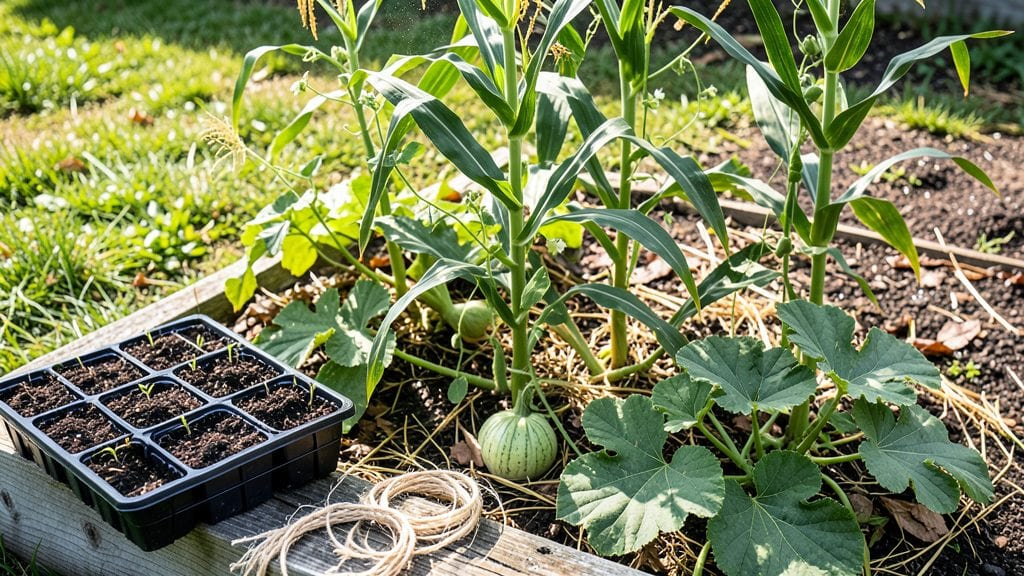
Growing a Three Sisters garden means planting corn, beans, and squash together the way Native communities have for centuries—each plant supporting the others in a perfect cycle. 🌽 I first tried it after reading how the Iroquois and other tribes used this method to create thriving, self-sustaining gardens with minimal effort.
The magic happens in the soil and spacing: tall corn stalks provide trellises for beans to climb, beans fix nitrogen that feeds the corn, and squash vines shade the soil to retain moisture and block weeds.
You’ll need a sunny spot with rich, well-draining soil and about 4 feet of space between each hill of plants.
By midsummer, you’ll see beans climbing the corn, squash spreading between the rows, and a living ecosystem that outproduces separate plantings. The harvest isn’t just bigger—it’s more resilient to pests and drought, thanks to the plants’ natural teamwork.
This method works in any climate where these crops thrive, from short-season zones to warm Southern gardens. Once you plant, the garden practically maintains itself—just watch the symphony of growth unfold.
📚 In This Guide
- What you need
- Instructions
- Tips and common mistakes
- Wrapping up and next steps
What you need
- ● Seeds: 1 lb corn seeds (heirloom varieties like Flint, Iroquois White, or Black Aztec work best)
- ● ½ lb pole beans seeds (e.g., Scarlet Runner, Kentucky Wonder, or Tepary beans)
- ● ½ lb squash seeds (butternut, winter squash, or Cushaw for traditional varieties)
- ● Soil: Well-draining, nutrient-rich soil (amend with compost if needed)
- ○ Optional: Wood ash (for potassium) or crushed eggshells (for calcium)
- ● Fertilizer: Balanced organic fertilizer (e.g., 5-5-5 or compost tea)
- ○ Optional: Fish emulsion or worm castings for extra nutrients
- ● Garden plot (minimum 3 ft x 3 ft, but larger is better!)
- ● Garden trowel or transplanting spade
- ● Watering can or hose with a gentle spray nozzle
- ● Mulch (straw, leaves, or grass clippings)
- ○ Optional: Trellis or stakes (for beans, if not using pole beans)
- ● Garden gloves (to protect your hands!)
- ● Full sun exposure (6–8 hours daily)
- ● Access to water (consistent moisture is key!)
- ● Patience! The Three Sisters take time to grow and support each other.
Step-by-step instructions for planting a Three Sisters garden
This ancient Native American method combines corn, beans, and squash for a self-sustaining, pest-resistant garden.
🌱 Step 1: Prepare the Planting Mounds
In early spring, after the last frost, form 4-6 inch tall mounds spaced 3 feet apart in rows. Each mound should be about 18-24 inches in diameter and 2 feet wide at the base. I use a shovel to create the base and then mound soil on top—this gives corn roots room to grow deep while keeping the soil warm.
Real talk: Don't make them too small. Corn needs stable footing, and these mounds prevent soil erosion. If your soil is heavy clay, mix in 2 gallons of compost per mound to improve drainage. Water each mound lightly after forming to settle the soil.
🌿 Step 2: Plant Corn as the Foundation
Plant 4-5 corn seeds in each mound, spacing them 6 inches apart in a circle. Press seeds 1-2 inches deep into the soil—deeper than you might think, since corn needs strong roots. I like to use heirloom varieties like 'Black Aztec' or 'Flint' for better flavor and pest resistance.
Cover the seeds lightly with soil and water gently. Keep the soil moist but not soggy until germination, which takes 7-14 days. Once the corn reaches 6-8 inches tall, thin to the strongest 2-3 plants per mound. This ensures they have enough space to grow tall and sturdy.
💧 Step 3: Plant Beans Along the Corn Stalks
When the corn is 12-18 inches tall, plant 4-6 bean seeds around the base of each corn plant. Beans like 'Pinto' or 'Black Turtle' work well because they climb the corn stalks naturally. Plant seeds 1 inch deep and 2 inches apart in a loose circle around the corn.
Beans need support, so let them climb the corn stalks as they grow. Water the base of each mound 2-3 times per week—beans are thirsty but hate soggy roots. You'll see the first true leaves appear in 7-10 days. Here's the thing: Beans fix nitrogen in the soil, which feeds the corn and squash.
☀️ Step 4: Add Squash at the Mound’s Edge
After the beans are 4-6 inches tall, plant 2-3 squash seeds at the outer edge of each mound. Choose bush varieties like 'Butternut' or 'Acorn' to keep them contained. Plant seeds 1 inch deep and 6 inches apart, leaving space for the vines to spread.
Squash acts as a living mulch, shading the soil to retain moisture and suppress weeds. Water deeply once a week—squash has shallow roots and needs consistent moisture. You'll see sprouts in 5-7 days. Watch for yellowing leaves on squash; this usually means it needs more water.
✂️ Step 5: Maintain and Harvest Together
Throughout the season, water the garden deeply 1-2 times per week, focusing on the base of the mounds. Weeds are less of a problem here, but remove any that pop up near the corn. When the corn reaches tasseling stage (the top turns brown and fuzzy), the beans will start flowering—this is when they pollinate each other.
Harvest corn when the silks turn brown and the kernels are plump. Pick beans when pods are firm and 3-4 inches long. Squash is ready when the skin turns hard and the vine stops growing. The magic of the Three Sisters is that each plant supports the others—corn provides structure, beans feed the soil, and squash protects everything.
Tips & tricks for perfect Three Sisters garden planting
Between us, these three plants work together like a well-oiled machine—but only if you get a few key details right. Here's what I've learned after seeing too many gardens fail because of small oversights.
Mound Building Matters: Those 4-6 inch tall mounds aren't just decoration—they're the foundation of this system. Corn roots need deep, stable soil, and the mound shape helps prevent erosion while keeping soil warm. I've seen gardens where people skipped proper mounding, and the corn struggled to establish itself. Use your shovel to create a solid base first, then build up the sides gradually. For clay-heavy soil, that 2 gallons of compost per mound is non-negotiable—it makes all the difference in drainage.
Timing is Everything: The sequence matters more than you might think. Planting beans too early when corn is still small means they'll struggle to climb, while planting squash too late can leave gaps in your weed suppression. I wait until corn reaches 12-18 inches before adding beans, and only plant squash after those beans show their first true leaves at 4-6 inches tall. This staggered approach creates the perfect support system where each plant helps the others thrive.
Watering Wisdom: The Three Sisters have different needs, so your watering strategy needs to adapt. Corn's deep roots need consistent moisture, beans want frequent but not soggy watering, and squash needs deep soaks less often. I water the base of each mound deeply 1-2 times per week, focusing on the corn first since it's the foundation. The key is keeping the soil moist but never waterlogged—especially important after planting when seeds need consistent moisture to germinate.
Harvesting Cues: Don't guess when to harvest—look for these clear signs. For corn, wait until the silks turn completely brown and the kernels are plump when you pierce one with your fingernail. Beans should be firm and 3-4 inches long, with a slight snap when you bend them. Squash is ready when the skin turns hard and the vine stops growing—give it a gentle tap, and it should sound hollow. Harvesting at the right time ensures maximum flavor and prevents overgrowth.
Pro Tips for Grow A Three Sisters Garden
- Between us, these three plants work together like a well-oiled machine—but only if you get a few key details right.
- Mound Building Matters: Those 4-6 inch tall mounds aren't just decoration—they're the foundation of this system.
- Timing is Everything: The sequence matters more than you might think.
Frequently asked questions
Got questions about growing a Three Sisters Garden? You’re not alone—this traditional method has a learning curve! Below, we’ve answered the most common queries to help you grow with confidence.
What is the best soil mix for a Three Sisters Garden?
A well-draining, nutrient-rich soil is key! Mix compost (50%), topsoil (30%), and sand or perlite (20%) for optimal growth. Native soils work too—just amend with organic matter if they’re heavy or clay-like. Avoid synthetic fertilizers; the trio thrives on natural decomposition!
When is the best time to plant the Three Sisters?
Plant after the last frost when soil temps hit 60°F+ (15°C+). Start corn first (soil-warming crops), then beans 1–2 weeks later, and squash last when corn is 6–8 inches tall. For cooler climates, opt for early-maturing varieties or extend the season with row covers.
Can I grow the Three Sisters in containers?
Yes! Use large pots (at least 18–24 inches deep) for corn and squash, with beans trailing down. Choose dwarf varieties like ‘Tuxpan’ corn or ‘Bush Blue Lake’ beans. Ensure containers have drainage holes and are placed in full sun. Just be ready to hand-pollinate corn if wind pollination is limited.
How do I prevent pests like squash bugs or corn earworms?
Start with healthy soil (strong plants resist pests better!). Use row covers early to block pests, handpick eggs, and plant marigolds or nasturtiums nearby as traps. For earworms, try bt (Bacillus thuringiensis) spray or wrap corn husks with sticky traps.
What do I do with the garden after harvest?
Leave the straw and vines in place over winter—they protect soil and return nutrients! In spring, till them under or compost. Rotate crops next year to prevent disease. If space allows, interplant cover crops like clover to enrich the soil further.
Can I substitute other plants in the Three Sisters?
Stick to the classic trio for the full symbiotic benefits, but you can experiment! Try sunflowers instead of squash (for shade) or pole beans with sweet potatoes. Just ensure the new plant supports the others (e.g., climbing beans for corn). Avoid heavy feeders like tomatoes—they’ll outcompete the sisters.
Wrapping up and next steps
Growing a Three Sisters Garden isn’t just about cultivating plants—it’s about nurturing a tradition, a community, and a sustainable future. 🌱 With corn, beans, and squash thriving together, you’re not only creating a bountiful harvest but also honoring Indigenous wisdom and reducing waste.
Whether you’re a beginner or a seasoned gardener, every step you take brings you closer to a self-sufficient, thriving garden.
Ready to take the next step? Start small—even a 4’x4’ plot can yield amazing results—and watch your garden grow into something extraordinary. Happy planting! 🌿