How To
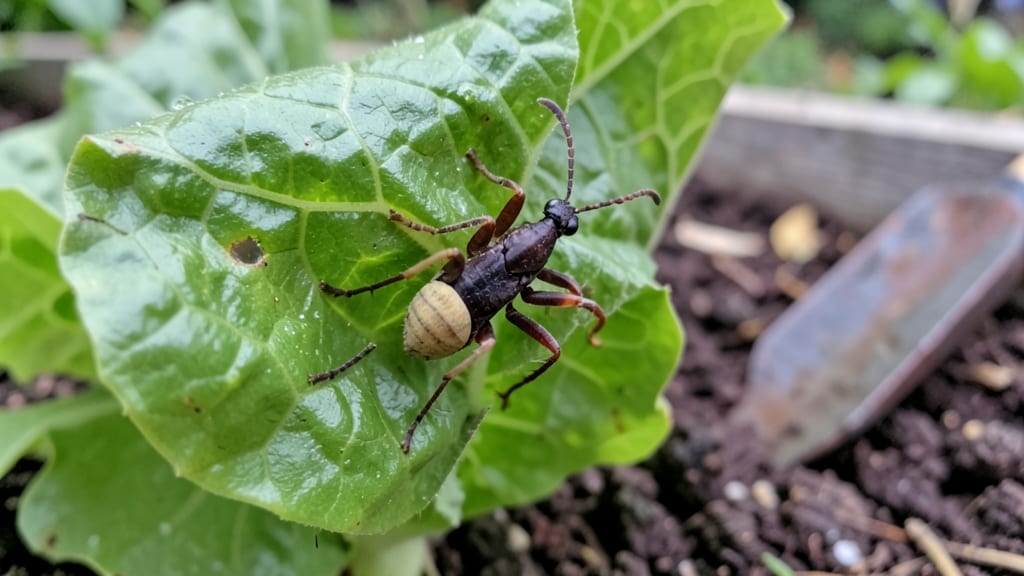
Earwigs invading your garden can turn lush leaves into Swiss cheese overnight. 🌿 I’ve battled them for years—until I discovered these humane traps that clear them out in 24 hours without harming your plants or the ecosystem. The key isn’t brute force; it’s outsmarting their habits with simple, natural tricks.
Most people assume earwigs are drawn to damp, dark corners, but they’re also attracted to mulch, decaying plant matter, and even your compost pile. I learned the hard way that hiding their favorite hiding spots—like overturned pots or dense foliage—is half the battle.
Once you know where they congregate, trapping them becomes straightforward with DIY setups using cardboard, rolled-up newspaper, or even a shallow dish of soapy water.
Within a day, you’ll see a noticeable drop in damage as earwigs relocate or meet their end in the traps. The best part? These methods keep your garden thriving without toxic chemicals.
Plus, you’ll prevent future invasions by adjusting moisture levels and maintaining tidy garden beds. Let’s get those pests out for good!
Works in vegetable gardens, flower beds, and even potted plants—no matter your garden size. The secret lies in timing, placement, and consistency, not expensive sprays. Ready to reclaim your garden? Here’s exactly how to do it.
Root Causes of Earwig Invasion
Earwigs might seem like tiny, harmless pests, but their sudden appearance in your garden can turn into a full-blown infestation if left unchecked. Understanding why these critters show up in the first place is the first step to preventing and eliminating them.
Let’s break down the science behind their garden takeover.
Earwigs thrive in damp, humid environments because their exoskeletons are highly sensitive to desiccation (drying out). They require moisture to survive, which is why they’re often found in:
- Shady, damp soil: Earwigs burrow into soil that retains moisture, especially after rain or watering. If your garden has poor drainage or overly thick mulch, you’re creating the perfect earwig hotel. 🏨
- Under rocks, logs, or debris: These provide both shelter and a microclimate with high humidity. A pile of leaves or bark mulch can become a breeding ground if it doesn’t dry out quickly.
- Near water sources: Drip irrigation, leaky hoses, or standing water (like in saucers under pots) signal to earwigs that your garden is a prime real estate opportunity.
Actionable insight: If your garden stays soggy for long periods, earwigs will move in. Aim for well-draining soil and avoid overwatering—especially in shaded areas.
Earwigs are nocturnal scavengers, meaning they come out at night to hunt for food. Their diet includes:
- Decaying plant matter (like fallen leaves or compost)
- Small insects (aphids, mites, or even other earwigs)
- Young plant shoots or flowers (they chew on tender growth)
If your garden offers a buffet of organic debris or struggling plants, earwigs will see it as an all-you-can-eat restaurant. 🍽️ Additionally, they’re attracted to:
- Artificial lights: Earwigs are drawn to outdoor lights at night, where they get disoriented and may end up in your garden instead of their natural habitat.
- Compost piles: While they help break down organic matter, an unmanaged compost heap can become an earwig breeding ground.
Actionable insight: Reduce nighttime foraging incentives by clearing debris, securing compost (with a tight lid), and using yellow bug lights (which earwigs dislike).
Earwigs love cluttered, unkempt gardens because dense vegetation provides:
- Hiding spots: Tall grass, weeds, or thick ground cover give them shelter during the day.
- Food sources: Weak or dying plants attract earwigs, as they feed on decaying tissue.
- Moisture retention: Dense foliage traps humidity, creating ideal earwig conditions.
Even a single neglected corner—like a patch of ivy or a bushy shrub—can become a hub for earwig activity. If your garden has areas that are difficult to maintain (e.g., tight spaces between plants or rocks), earwigs will exploit them.
Actionable insight: Regularly trim back overgrowth, remove weeds, and space plants properly to eliminate earwig-friendly hideouts.
Earwigs are seasonal pests, and their movements depend on temperature and humidity:
- Spring/Summer: Warm, humid conditions trigger earwigs to emerge from overwintering sites (like soil or leaf litter) to hunt and reproduce.
- Fall: As temperatures drop, earwigs seek shelter in protected, moist areas—often your garden’s nooks and crannies.
- Winter: They may burrow deeper into soil or hide under bark, but they don’t truly "go away"—they’re just less active.
If your garden provides consistent shelter (like thick mulch or dense plants), earwigs may linger year-round instead of migrating elsewhere.
Actionable insight: Monitor seasonal changes and adjust your garden care accordingly—e.g., reduce mulch depth in fall to discourage overwintering.
In a balanced ecosystem, earwigs are kept in check by predators like:
- Birds (e.g., robins, starlings)
- Spiders and centipedes
- Ground beetles and toads
- Frogs and lizards
However, if your garden lacks biodiversity (e.g., no birdhouses, few insects, or chemical pesticides that kill predators), earwig populations can explode unchecked. 🚀
Actionable insight: Encourage natural predators by:
- Adding a small water feature (toads love them).
- Avoiding broad-spectrum pesticides that harm beneficial insects.
- Planting native flowers to attract pollinators and predatory bugs.
Quick Fixes for Earwig Invasion
Earwigs may seem like a nuisance, but with the right approach, you can eliminate them fast while keeping your garden thriving. Below are targeted solutions based on the most common causes—from damp soil to hiding spots—and how to tackle them effectively.
Earwigs love damp, dark areas where they can burrow. If your garden has overwatered beds, mulch piles, or leaf litter, they’ll move in like uninvited guests.
How to Fix It:
- 🌧️ Reduce Watering: Water plants at the base (not overhead) and avoid soggy soil. Earwigs thrive in moisture—dry conditions make them less comfortable.
- 🍂 Clear Debris: Remove thick mulch, fallen leaves, and wood piles. Store firewood away from your garden (at least 20 feet).
- 🛠️ Improve Drainage: If your garden has poor drainage, add gravel or sand to beds to keep soil from staying too wet.
💡 Pro Tip: Earwigs also hide under flat stones or pots. Flip them over during the day to expose and remove them.
You don’t need expensive sprays—humane traps work just as well (or better) for fast removal.
How to Fix It:
- 🥛 Milk Jug Trap (Best for Nighttime):
- Fill a milk jug or plastic bottle with beer, wine, or even sugar water (earwigs are attracted to fermentation).
- Cut the top off at an angle and invert it as a funnel. Earwigs crawl in but can’t escape.
- 🔥 Check traps every 6–12 hours and dispose of them far from your garden.
- 🍞 Baited Cardboard Roll:
- Roll up cardboard and secure with tape, leaving one end open.
- Place moistened bread or fruit scraps inside. Earwigs will crawl in and get trapped overnight.
- ⏰ Morning disposal: Drown them in soapy water or relocate them far from your yard.
- 🌙 Nighttime Flashlight Hunt:
- Earwigs are nocturnal—use a flashlight at dusk to spot them near plants.
- 🕷️ Pick them up with gloves (they don’t bite but can pinch!) and drop them in soapy water or a sealed jar for disposal.
Once you’ve removed earwigs, keep them from coming back with these long-term fixes:
| Problem | Solution | Why It Works |
|---|---|---|
| Too much mulch | Use coarse mulch (like pine straw) instead of fine bark. | Reduces moisture retention. |
| Standing water | Fix gutter issues and ensure slopes away from beds. | Earwigs avoid dry soil. |
| Overwatering | Water early in the day so soil dries faster. | Less appeal for earwigs. |
| Weedy garden edges | Pull weeds and keep grass trimmed near flower beds. | Fewer hiding spots. |
| Nearby woodpiles | Store firewood at least 20 feet away from your garden. | Eliminates breeding grounds. |
💡 Pro Tip: Diatomaceous earth (food-grade) is a natural, non-toxic way to deter earwigs. Sprinkle it lightly around plants—it dehydrates them without harming your garden.
If earwigs keep returning despite your efforts, you may have a larger infestation (like in compost piles or nearby wooded areas). A local pest control expert can assess whether:
- Beneficial nematodes (microscopic worms) need to be introduced.
- Professional-grade traps are required for severe cases.
🎯 Final Reminder: Earwigs are harmless to plants (they mostly eat decaying matter), but their presence can signal poor garden hygiene. By drying out their favorite spots and trapping them early, you’ll keep your garden earwig-free in no time!
Frequently asked questions
Why do earwigs suddenly appear in my garden after rain?
Earwigs love humidity, so they emerge after rain to hunt for food and shelter. Their exoskeletons dry out easily, so they seek damp areas like mulch, leaf litter, or under rocks. Reduce standing water and improve drainage to discourage them from staying.
Are earwigs harmful to my plants or vegetables?
While they mostly eat decaying matter, young plants and flowers can suffer damage. They chew on tender leaves and stems, but they won’t destroy healthy plants. Focus on traps and reducing moisture to protect vulnerable seedlings.
Can I use diatomaceous earth safely around pets and kids?
Yes, but use food-grade diatomaceous earth only. It’s non-toxic but can irritate lungs if inhaled. Sprinkle it lightly around plants (avoid direct contact with pets) and reapply after rain. Always wear a mask when applying.
How long does it take for traps to work?
Most DIY traps (like beer jugs or cardboard rolls) show results in 24-48 hours. Check them daily and dispose of earwigs far from your garden. For severe infestations, combine traps with drying out moisture-prone areas.
Will earwigs come back after I’ve removed them?
They might if conditions remain ideal (damp, dark, cluttered). Prevent recurrence by improving drainage, reducing mulch depth, and keeping garden beds tidy. Regular checks and seasonal maintenance keep them away long-term.