Size
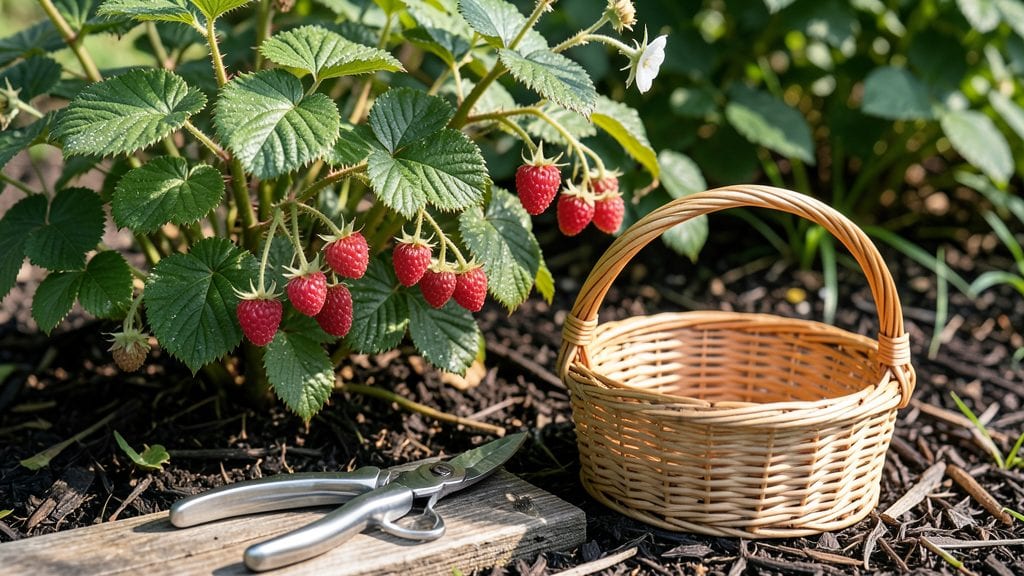
Growing garden berries in tight spaces is easier than you think—my 6-foot-wide balcony now produces enough raspberries and blackberries to share with neighbors. The key isn’t just choosing the right varieties (like everbearing strawberries or dwarf blueberries) but working with their natural growth habits to save space.
I’ve turned vertical trellises into fruit-producing walls and used hanging baskets for strawberries that spill over like living confetti.
You’ll need well-draining soil, a sunny spot (at least 6 hours of light), and containers or raised beds if your yard is small.
Most berries thrive in 5-gallon pots or larger, and pruning isn’t as scary as it sounds—just snip back old canes in late winter to make room for new growth. The biggest mistake? Overwatering; berries hate soggy roots but need consistent moisture, especially during fruit set.
By midsummer, you’ll be harvesting sweet, juicy berries straight from your balcony or backyard. The first taste of homegrown strawberries in June or the deep purple of ripe blackberries in August makes every pruned cane worth it.
Plus, you’ll save money and avoid those sad, flavorless store-bought berries that never quite measure up.
Works for renters, small yards, or urban gardens—just adjust varieties to your climate. Let’s get those berries growing!
📚 In This Guide
- What you need
- Instructions
- Tips and common mistakes
- Wrapping up and next steps
What you need
- ● Berry plants: Choose compact varieties like strawberries (ever-bearing or June-bearing), raspberries (heritage or dwarf), blueberries (top-worked bushes), or blackberries (thornless). Quantity: 1–3 plants per container (depending on size).
- ● Containers: Pots (5+ gallons), grow bags, or raised beds (minimum 12" deep for roots). Tip: Drill drainage holes if using store-bought pots! 🔧
- ● Potting mix: Well-draining, organic blend (avoid garden soil). Quantity: Enough to fill containers to 2" below the rim.
- ● Fertilizer: Balanced (10-10-10) for general growth.
- ● Acid-loving mix (e.g., peat moss or pine bark) for blueberries (pH 4.5–5.5).
- ● Slow-release granules (e.g., Osmoote) for convenience.
- ● Mulch: Straw, pine needles, or shredded leaves (2–3" layer to retain moisture).
- ● Support system: Trellis or stakes for raspberries/blackberries (3–4 ft tall).
- ● Hanging baskets (for strawberries, 12"+ diameter).
- ● Hand trowel (for transplanting).
- ● Pruning shears (sterilized with rubbing alcohol).
- ● pH test kit (for blueberries).
- ● Drip irrigation or watering can with a rose nozzle (for even distribution).
- ● Garden gloves (to protect from thorns or soil).
- ● Sunlight: 6+ hours daily (south-facing spot ideal).
- ● Water access: Consistent moisture (but no soggy soil!).
- ● Patience: Berries take 1–3 years to fully mature (depending on variety).
- ● Space planning: Measure your area—compact doesn’t mean crowded!
Instructions for growing compact garden berries
Here's how to maximize berry production in limited space using proven techniques.
Select the Right Varieties for Small Spaces
Choose dwarf or compact varieties specifically bred for containers or small gardens. Blueberries like 'Top Hat' and 'Peach Sorbet' thrive in 1-gallon pots, while raspberries like 'Caroline' grow well in 5-gallon containers. Strawberries like 'Alpine' produce abundant fruit in hanging baskets or 1-gallon pots. These varieties maintain their compact form without staking or pruning, making them ideal for urban balconies or patio gardens.
I always verify the mature plant size before purchasing—some labeled "compact" varieties still reach 3 feet tall. Check the tag for "dwarf," "bush," or "patio" designations. For four plants, select varieties that have compatible pollination needs—some berries like blueberries are self-pollinating, while others like raspberries require cross-pollination from different plants.
Prepare Containers and Soil for Optimal Growth
Use containers with drainage holes and at least 12 inches deep for blueberries and raspberries, while strawberries and alpine varieties can thrive in 6-inch pots. I prefer terracotta or fabric grow bags because they allow excess moisture to evaporate through the walls, preventing root rot. For four plants, you'll need four containers of appropriate size—one per plant.
The soil mix is critical for berries. They demand acidic soil (pH 4.5-5.5 for blueberries, 6.0-6.5 for raspberries and strawberries). I blend 2 parts peat moss, 1 part perlite, and 1 part compost to create a well-draining, nutrient-rich medium. Add 1 tablespoon of sulfur to adjust pH if your local soil tests higher than ideal. Fill each container to within 1 inch of the rim with this mix, leaving room for watering.
Plant Berries at the Correct Depth and Spacing
Remove plants from their nursery pots and loosen the roots gently if they appear root-bound. Dig a hole twice as wide as the root ball but only as deep as the container the plant came in—burying too deep suffocates the stem. Place the plant in the hole and backfill with soil, pressing firmly around the base to eliminate air pockets. For four plants, space them 12-18 inches apart if using a single large container, or keep them isolated in individual pots.
Water immediately after planting to settle the soil and eliminate air gaps. You'll see the soil surface firm up slightly as it compacts around the roots. Avoid overwatering now—berries hate soggy roots. Instead, water deeply every 2-3 days until the top 2 inches of soil feel dry to the touch. This establishes a strong root system before fruiting begins.
Provide Light and Nutrients for Maximum Fruit Production
Berries need 6-8 hours of direct sunlight daily for optimal fruit set. Place containers in the sunniest spot available—south or southwest-facing is ideal. If your space lacks sufficient sunlight, supplement with a grow light positioned 6-12 inches above the plants for 14-16 hours daily. You'll notice leaves darkening and stems thickening within two weeks of proper light exposure.
Feed plants every 4-6 weeks with a balanced, slow-release fertilizer (10-10-10 ratio). For blueberries, use an acid-loving plant fertilizer to maintain soil pH. I apply 1 tablespoon per plant at each feeding, working it into the top 1 inch of soil. Avoid high-nitrogen fertilizers—they promote leafy growth at the expense of fruit. Watch for new flower buds forming in early spring; this signals the plant is ready for fruiting.
Prune and Maintain for Continuous Harvesting
Prune raspberries and blackberries immediately after harvest by cutting canes that bore fruit to the ground—these won't produce again. For blueberries, remove dead or diseased branches in late winter, cutting back to healthy wood. Strawberries benefit from deadheading (removing spent flowers) to encourage more blooms. Use clean, sharp pruners to make cuts at a 45-degree angle, just above a leaf node.
Mulch containers with 2 inches of pine bark or straw to retain moisture and regulate soil temperature. This is especially important in containers, where soil dries out faster. Water deeply 2-3 times weekly during fruiting season, increasing to daily watering if temperatures exceed 85°F. You'll see berries swelling and coloring as they near harvest—wait until they're fully ripe before picking for best flavor.
Tips & tricks for perfect compact berry gardens
These proven strategies will help you maximize your berry harvest in limited space without compromising plant health or fruit quality.
Variety Verification: When selecting compact varieties, pay special attention to the plant tag's mature size specifications. I've seen "bush" blueberry varieties labeled as compact that still reach 4 feet tall—always measure the height and width listed. For four plants, consider pairing one self-pollinating variety like 'Top Hat' blueberry with one cross-pollinating variety like 'Caroline' raspberry to ensure proper fruit set. This pairing strategy works particularly well when using individual containers for each plant.
Soil pH Precision: The pH requirements for different berries are non-negotiable—blueberries demand that acidic range of 4.5-5.5, while raspberries and strawberries prefer 6.0-6.5. I recommend testing your soil mix before planting using a simple pH test kit available at garden centers. For blueberry containers, you can add 1 tablespoon of aluminum sulfate per gallon of soil mix to help maintain the proper acidity level. This adjustment is especially important if your tap water has a higher pH.
Light Supplement Strategy: When using grow lights for 14-16 hours daily, position them just 6-12 inches above the plant tops to ensure even light distribution. I've found that LED grow lights with a full spectrum (including red and blue wavelengths) produce the best results for berry plants. Place a small thermometer near the plants when using grow lights—temperatures above 85°F can stress container-grown berries, so you may need to reduce light intensity or increase ventilation during hot weather.
Watering Technique: The key to container watering is consistency—berries prefer their top 2 inches of soil to dry out slightly between waterings. I've developed a simple test: insert your finger about 2 inches deep into the soil. If it feels dry, it's time to water. For containers, I recommend using a watering can with a narrow spout to direct water right at the soil surface, avoiding the leaves. This prevents fungal diseases that can develop from wet foliage, especially important during the fruiting season when plants are more vulnerable.
Pro Tips for Grow A Garden Berries
- These proven strategies will help you maximize your berry harvest in limited space without compromising plant health or fruit quality.
- Variety Verification: When selecting compact varieties, pay special attention to the plant tag's mature size specifications.
- Soil pH Precision: The pH requirements for different berries are non-negotiable—blueberries demand that acidic range of 4.5-5.5, while raspberries and strawberries prefer 6.0-6.5.
Frequently asked questions
Got questions about growing berries in small spaces?
Here are answers to the most common ones—so you can harvest sweet, juicy berries without the fuss!
What are the easiest berries to grow in small spaces?
Strawberries, raspberries (in containers), and blueberries (dwarf varieties) are your best bets! They thrive in pots, raised beds, or even hanging baskets. Pro tip: Try everbearing strawberries for year-round harvests with minimal effort!
How long does it take for berries to grow after planting?
Most berries need 1–2 years to mature before fruiting. Strawberries may produce small berries in the first year, but full harvests happen in year two. Patience pays off—think of it as a slow-cooked reward!
Do berries need a lot of water, and how often should I water them?
Berries love consistent moisture—about 1–1.5 inches per week, especially during flowering and fruiting. Mulch helps retain water, and containers dry out faster, so check soil daily. Watch out: Overwatering can rot roots!
What’s the best way to protect berries from pests in small gardens?
Use row covers for birds, neem oil for insects, and companion planting (like mint with strawberries). Prune regularly to improve airflow, and handpick pests early. Bonus: Ladybugs are natural aphid allies!
Can I grow berries in shade, or do they need full sun?
Most berries need 6+ hours of sun daily, but strawberries tolerate partial shade (4+ hours). If your space is shady, opt for everbearing varieties or try container gardening near a sunny wall for extra light.
Wrapping up and next steps
Growing your own berries in compact spaces isn’t just possible—it’s rewarding! With the right variety, a little creativity, and a dash of patience, you can turn even a tiny balcony or windowsill into a bursting berry patch.
Whether you’re harvesting sweet strawberries, tangy blueberries, or plump raspberries, the joy of picking fresh fruit straight from your garden is unmatched. 🌱
Ready to dive in? Start small—pick one berry type and container, then expand as you gain confidence. Before you know it, you’ll be sharing your homegrown bounty with friends (or sneaking extra into your smoothies!). 🍓✨ Now grab those gloves and get planting!