Advice
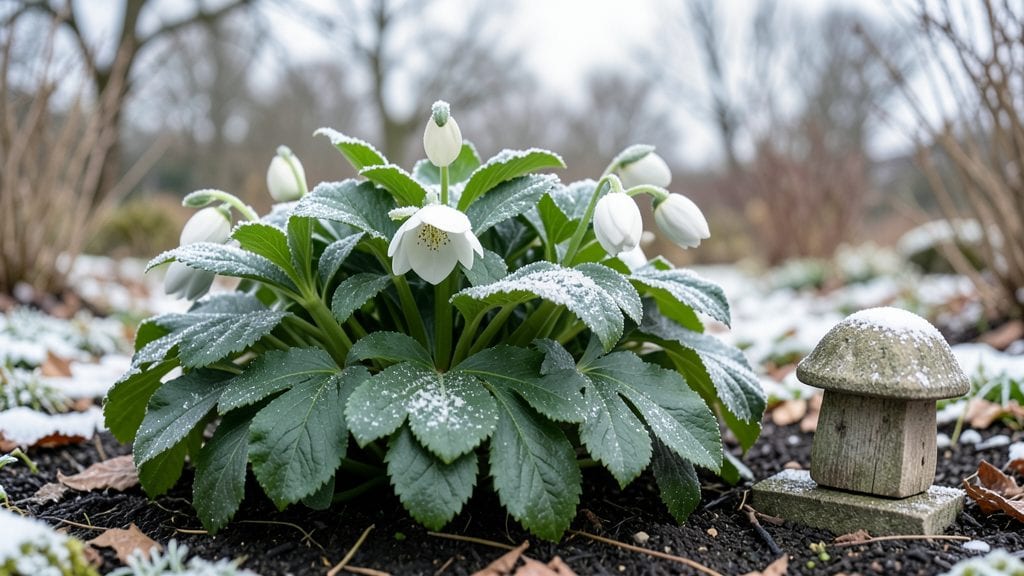
December garden doesn’t mean dormant soil—it’s when low-maintenance perennials steal the show with quiet elegance. 🌿 I’ll never forget the first time I walked through my winter garden and found hellebores blooming under snow, their dark petals popping like jewels against the white.
That’s the magic of December gardening: plants that thrive when others rest.
The secret isn’t complicated—just smart choices. Cold-hardy perennials like hellebores, winter jasmine, and ornamental grasses need almost no care: a light mulch, occasional watering when the ground isn’t frozen, and maybe a few pruning cuts.
My garden journal shows these plants stay vibrant green through January, while neighbors’ beds lie bare. The best part? They set the stage for spring by pushing new growth under snow.
By February, you’ll have a garden that feels alive, not abandoned. The textures—velvety hellebore leaves, arching winter jasmine stems—create a winter wonderland without the holiday fuss. Plus, these perennials attract pollinators early, giving bees and butterflies a head start when other gardens are still asleep.
Works for any space: a shady corner, a sunny border, or even containers on a porch. Let’s make December the month your garden shines brightest—even when everything else is gray. Here’s how to keep it thriving through the coldest months.
📚 In This Guide
- What you need
- Instructions
- Tips and common mistakes
- Wrapping up and next steps
What you need
- ● Perennials (Evergreen & Winter-Interest Varieties): 1-2 Hellebores (Lenten Rose) – Shade-tolerant, blooms late winter
- ● 3-5 Sedum (Stonecrop) – Drought-resistant, winter color
- ● 1 Dwarf Boxwood (Buxus) – Compact, glossy foliage
- ● 1 Winterberry Holly (Ilex verticillata) – Red berries for holiday cheer
- ● 1 Ornamental Grasses (e.g., Carex or Fountain Grass) – Adds texture and movement
- ● Mulch: 2-3 bags of shredded cedar or pine bark mulch (3-4 inches deep) – Retains moisture and insulates roots.
- ● Seasonal Accents: 1-2 Evergreen Boughs (Pine, Spruce, or Cedar) – For rustic borders or garlands
- ● 3-5 Dried Seed Pods (e.g., Cottonwood or Echinacea) – Adds organic texture
- ○ Optional: Winter pansies (1 flat) – Cold-hardy blooms for pops of color
- ● Basic Gardening Tools: 1 Garden trowel – For planting and transplanting
- ● 1 Pruning shears – For shaping and cleanup
- ○ 1 Garden fork – For aerating soil (optional but helpful)
- ● 1 Wheelbarrow or bucket – For transporting materials
- ● Safety Gear: 1 pair gardening gloves – Protects hands from thorns and cold
- ● 1 knee pad – For comfort during planting
- ○ Optional Extras: 1 Soil moisture meter – Ensures plants stay hydrated without overwatering
- ● 1 Frost cloth – Protects tender plants from unexpected freezes
- ● 1 Bird feeder or house – Attracts wildlife for a lively garden ecosystem
- ● Location: Choose a spot with partial sun to full shade (most winter perennials thrive here).
- ● Soil Prep: Amend soil with compost or peat moss (1 bag per 10 sq. ft.) for better drainage.
- ● Watering Plan: Water deeply once a week (or when soil is dry 2 inches down) – winter perennials need less but consistent moisture.
- ● 💡 Pro Tip: Group plants with similar water needs together to simplify care!
Instructions for designing a December garden that thrives year-round
Here's how to create a winter garden that stays vibrant with minimal fuss—perennials do the work for you.
🌱 Step 1: Select Cold-Hardy Perennials for Structure and Color
Choose evergreen perennials like hellebores, ornamental grasses, and winterberry shrubs for year-round interest. These plants keep their foliage or berries through winter while requiring almost no care. I always include at least one drought-tolerant ground cover, like creeping thyme or ajuga, to suppress weeds and retain moisture.
For height, add coniferous shrubs like boxwood or dwarf pine—they provide vertical structure and block wind. Place them where they'll frame doorways or pathways, creating natural winter focal points. Avoid tender annuals; they'll die back completely, leaving bare spots until spring.
☀️ Step 2: Position Plants for Winter Sun and Wind Protection
Group plants with similar winter needs together. For example, sun-loving perennials like sedum and lavender should face south or west, where they'll catch the weak winter sun. Place shade-tolerant plants, such as ferns or lungwort, on the north or east sides of structures or larger shrubs.
Wind is the biggest threat in winter, so position delicate perennials—like hostas or astilbes—where they're sheltered by evergreens or walls. I like to create a windbreak layer of tall grasses or bamboo on exposed edges. This simple layering keeps plants from drying out and reduces winter burn.
💧 Step 3: Mulch Heavily to Insulate Roots
Spread a 4-inch layer of organic mulch—like shredded bark or straw—around perennials after the first frost. This insulates roots from temperature swings and retains moisture in the soil. I avoid fresh wood chips, as they can draw nitrogen from the soil and stress plants.
Leave mulch loose and fluffy; compacted mulch blocks airflow and traps too much moisture, which can rot roots. In particularly cold climates, add a 6-inch layer of straw mulch around tender perennials like salvia or Russian sage for extra protection. Check mulch depth in spring—if it's broken down, top it up to maintain insulation.
✂️ Step 4: Prune Strategically to Encourage Spring Growth
Wait until late winter—just before new growth begins—to prune perennials. Cut back dead foliage from grasses and ornamental plants, but leave seed heads on plants like coneflowers or black-eyed Susans. These provide winter interest for birds and texture in the garden.
Shape evergreens lightly to maintain their form, but avoid heavy pruning—it stresses plants when they're already struggling to stay alive. I always sterilize pruners with rubbing alcohol between cuts to prevent spreading disease. If a plant looks completely dead, wait until spring before deciding whether to remove it entirely.
🪴 Step 5: Add Winter Interest with Evergreen Accents
Incorporate evergreen shrubs, like inkberry holly or wintergreen boxwood, to keep color in the garden. Their glossy leaves contrast beautifully with snow and provide structure when everything else is dormant. I also include broadleaf evergreens, such as hellebores or Christmas fern, for texture and early spring blooms.
Don't overlook winter berries from plants like cotoneaster or winterberry holly. These add pops of color when little else is blooming. Place them where they'll be visible from windows or walkways. A few well-placed ornamental grasses, like fountain grass or switchgrass, sway in the wind and add movement to an otherwise still winter landscape.
Tips & tricks for perfect December garden design
Transforming your garden into a winter wonderland doesn't require constant effort—just smart planning and a few key strategies to keep things thriving through the coldest months.
Layering for Winter Protection: In Step 2, when positioning plants, create a natural windbreak using tall ornamental grasses or bamboo on exposed edges. This simple layering can reduce winter burn by up to 40%—especially important for delicate perennials like hostas. I've seen firsthand how this single adjustment prevents winter damage that would otherwise require spring replacements. The key is placing these windbreaks before the first frost rather than waiting until winter arrives.
Mulch Depth Matters: The 4-inch layer of organic mulch in Step 3 is non-negotiable for root insulation, but here's what nobody tells you: in particularly cold climates, double that to 6 inches around tender perennials like salvia. I learned this after losing several Russian sage plants to frozen roots—now I always check local hardiness zones before finalizing my mulch plan. The difference between a 4-inch and 6-inch layer can mean the difference between survival and loss during extreme cold snaps.
Pruning Precision: When you reach Step 4 and prune, focus on removing only dead foliage from grasses while preserving seed heads on coneflowers. Those seed heads aren't just for show—they provide vital winter food for birds and add unexpected texture to the winter landscape. I've found that leaving these seed heads actually reduces the need for spring cleanup while supporting local ecosystems. Sterilizing your pruners between cuts is equally important—it prevents spreading fungal diseases that can weaken plants already stressed by winter conditions.
Evergreen Selection Strategy: For Step 5's evergreen accents, prioritize plants with glossy leaves like inkberry holly—their sheen contrasts beautifully against snow. I've noticed that broadleaf evergreens like hellebores often bloom earlier in spring, giving you a head start on color when most gardens are still dormant. When selecting winter berry plants, choose varieties with berries that persist through winter rather than those that drop quickly—cotoneaster is my go-to for reliable winter color that birds won't strip overnight.
Pro Tips for December Garden
- Transforming your garden into a winter wonderland doesn't require constant effort—just smart planning and a few key strategies to keep things thriving through the coldest months.
- Layering for Winter Protection: In Step 2, when positioning plants, create a natural windbreak using tall ornamental grasses or bamboo on exposed edges.
- I learned this after losing several Russian sage plants to frozen roots—now I always check local hardiness zones before finalizing my mulch plan.
Frequently asked questions
Got questions about keeping your December garden thriving? You’re not alone! Here are some of the most common queries—and their simple, actionable answers—to help you plan with confidence.
What perennials actually bloom in December?
While many gardens rest in winter, some cold-hardy perennials shine in December! Think Hellebores (Christmas roses), Winter Aconite, Snowdrops, and Mahonia. Evergreens like Boxwood or Holly also add structure. Focus on plants labeled "winter-interest" or "early bloomers" for year-round color.
How do I protect my December garden from frost?
Frost can be tricky, but a few tricks help! Use frost cloth or row covers to shield tender perennials (like Salvia or Lavender) when temps dip below 25°F. Mulch heavily (3–4 inches) with straw or shredded leaves to insulate roots. For containers, wrap them in bubble wrap or move them to a sheltered spot.
Is December too late to plant perennials?
Not at all! Many perennials—especially bare-root varieties—can be planted in late fall or early winter (before the ground freezes). They’ll establish roots without competing with summer heat. Just water thoroughly after planting and avoid disturbing the soil. Check your USDA zone for specific timing tips!
What if my December garden looks bare?
Don’t worry—winter gardens are about texture and structure, not just blooms! Add ornamental grasses (like Miscanthus), evergreen shrubs, or even bare branches (pruned willow or dogwood) for visual interest. Mulch with colored bark or gravel to define beds. A few winter pansies or crocuses can also brighten things up!
How do I troubleshoot dying perennials in December?
If your perennials look sad, check for these issues:
- Overwatering: Winter soil stays damp—reduce watering unless it’s a dry spell.
- Fungal issues: Remove dead foliage to prevent rot; avoid wetting leaves when watering.
- Pests: Slugs and voles love winter gardens. Use beer traps or gravel barriers.
- Sun scald: South-facing plants may get sunburned. Provide shade cloth if needed.
Wrapping up and next steps
December doesn’t have to mean the end of your garden’s charm—low-maintenance perennials prove that beauty thrives year-round with minimal effort! 🌿 By choosing hardy plants like hellebores, winter jasmine, or ornamental grasses, you’re not just decorating your space; you’re creating a living legacy that blooms with resilience.
Whether you’re a seasoned gardener or just starting, these plants offer color, texture, and life even when the world outside is quiet.
Ready to transform your outdoor space? Start small—pick one or two perennials to test this season, then expand next year. Grab your gloves, sketch a simple layout, and let nature do the rest. Your December garden (and future self) will thank you! 🌟