Watering
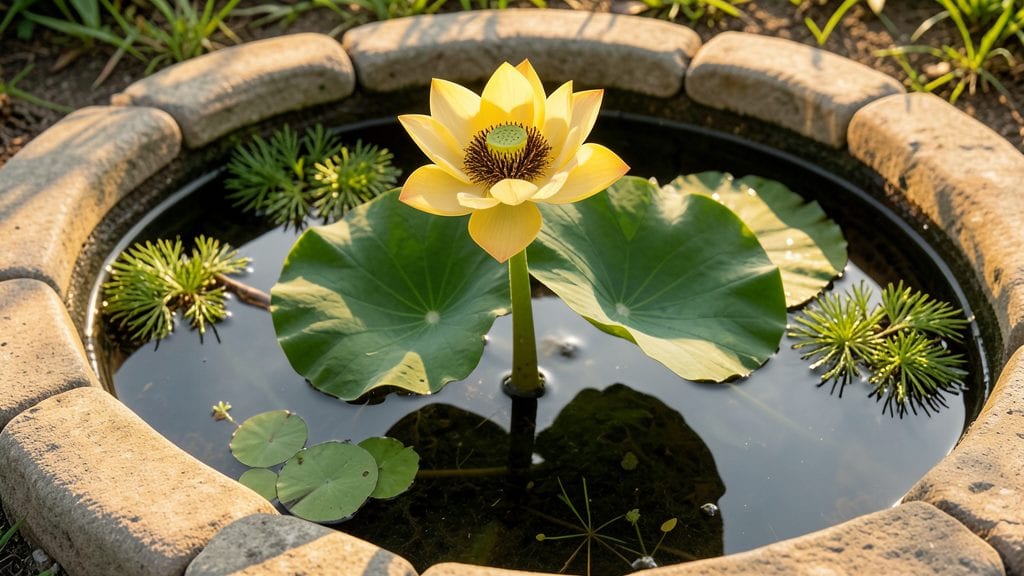
A backyard water garden transforms any space into a thriving wildlife magnet. 🌿 I’ve watched dragonflies dart over my pond, frogs claim their territory, and birds drink from the gentle ripples—all while my garden stays lush and low-maintenance.
The key is balancing plants, water flow, and natural edges so everything feels like it belongs.
Start small with a 50-gallon container or dig a 3-foot-wide pond—even a simple fountain can create the same effect. Water lilies and lotus add beauty while providing shade for fish, while marginal plants like cattails filter the water naturally.
The right setup keeps algae at bay and attracts beneficial insects without extra work.
By summer, you’ll have a self-sustaining ecosystem that hums with life. The sound of moving water masks city noise, while the sight of dragonflies and butterflies makes every visit feel like a retreat. Best of all, once established, the maintenance is minimal—just occasional weeding and top-offs during dry spells.
Works for urban backyards, suburban lots, or rural retreats. Whether you go for a formal pond or a wild, meandering stream, the principles stay the same. Let’s make yours a haven for wildlife and relaxation—naturally.
📚 In This Guide
- What you need
- Instructions
- Tips and common mistakes
- Wrapping up and next steps
What you need
- ● Container or Pond Liner: Flexible pond liner (EPDM or PVC) – 10-20 mil thickness, sized to fit your space (e.g., 24" x 36" for small gardens, larger for bigger ponds).
- ● OR Pre-formed pond kit (e.g., 3’ x 5’ x 1’ deep).
- ● Water Source: Garden hose with adjustable nozzle (for filling).
- ○ Optional: Solar-powered fountain pump (100-500 GPH for circulation).
- ● Substrate: Gravel or pebbles (1-2" diameter, 2-3 inches deep for drainage).
- ● Pond soil or aquatic plant substrate (for rooted plants).
- ● Plants: Floating plants: Water hyacinth, duckweed, or water lilies (1-3 plants per sq. ft.).
- ● Marginal plants: Pickerelweed or sweet flag (1-2 per container).
- ● Submerged plants: Anacharis or hornwort (bunches of 3-5 stems).
- ○ Wildlife Attractants (Optional): Rocks or driftwood for cover.
- ● Shallow edges (1-2" depth) for amphibians.
- ● Garden shovel or trowel (for digging).
- ● Measuring tape (to mark liner dimensions).
- ● Ruler or straightedge (for smooth liner edges).
- ● Weighted rocks or bricks (to secure liner edges).
- ● Dechlorinator (if using tap water).
- ● Net or skimmer (for debris removal).
Step-by-step instructions for building a wildlife-friendly floating water ecosystem
Here’s how to create a thriving, low-maintenance water feature that doubles as a wildlife magnet.
🪴 Step 1: Select and Prepare the Water Container
Choose a plastic or fiberglass basin at least 3 feet in diameter—deeper is better for stability and oxygenation. I prefer 55-gallon drums because they’re affordable, durable, and provide ample surface area for floating plants. If using a preformed pond liner, ensure it’s UV-stabilized and at least 48 inches deep to accommodate submerged oxygenators.
Place your container in a partially shaded spot—direct sun encourages algae blooms, while full shade can stunt plant growth. Level the ground beneath it with a 2-inch layer of compacted gravel to prevent tipping. A slight slope toward the center helps water drain properly if needed. Mark the center with a stake to guide plant placement later.
💧 Step 2: Add Water and Submerged Oxygenators
Fill the container with dechlorinated water (tap water left in open containers for 48 hours or treated with a pond dechlorinator). Aim for 36 inches of water depth—this depth supports aquatic life while keeping maintenance simple. Avoid tap water with chlorine, as it can harm plants and wildlife immediately.
Add submerged oxygenators like hornwort or anacharis (available as live plants or bundles). These oxygenate the water naturally and prevent stagnation. Plant them in clumps of 3-4 stems spaced 12 inches apart near the center. They’ll spread quickly, so don’t overcrowd. If using barley straw (a natural algae inhibitor), place it in a mesh bag and submerge it—it’ll release compounds over time to keep the water clear.
🌿 Step 3: Introduce Floating Plants for Cover and Food
Floating plants are the heart of your ecosystem—they provide shade, food for insects, and shelter for amphibians. Start with water hyacinth or duckweed (both thrive in still water). Drop 5-6 hyacinth plants evenly across the surface; they’ll multiply rapidly and cover the water within weeks. Duckweed spreads faster but requires more frequent thinning—harvest excess with a net and compost it.
Add frogbit in smaller patches near the edges. These plants filter nutrients from the water and create microhabitats for dragonfly larvae and mosquito-eating insects. Avoid overcrowding—aim for 30-40% surface coverage to allow sunlight to reach submerged plants below. Watch for yellowing leaves (a sign of nutrient overload) and remove excess growth immediately.
✂️ Step 4: Install Marginal Plants for Wildlife Corridors
Around the edges of your container, plant marginal species like cattails or sweet flag in 3-gallon pots buried halfway. These bridge the gap between water and land, attracting birds, bees, and butterflies. Space them 18 inches apart along the perimeter. Their roots will filter runoff and stabilize the soil, while their stems provide perching spots for songbirds.
For butterfly magnet power, include swamp milkweed—its flowers feed adult monarchs, and its leaves are the only host plant for caterpillars. Plant it in moist but not soggy soil at the container’s edge. Mulch with 3 inches of organic mulch (like shredded bark) to retain moisture and suppress weeds. Avoid synthetic mulches—they can leach chemicals into the water.
🐸 Step 5: Stock with Wildlife and Monitor Balance
Introduce native wildlife gradually. Start with pond snails (they clean algae) and dragonfly nymphs (natural mosquito predators). Add 3-4 snails and 2-3 nymphs to begin. Avoid fish—they disrupt the delicate balance by eating everything in sight. Instead, let frogs and toads colonize naturally; they’ll arrive within weeks if your garden is wildlife-friendly.
Monitor the ecosystem weekly. Healthy water should be clear with slight green tint (from algae, which is normal). If you see cloudy water or foul odors, reduce sunlight or add more oxygenators. Remove dead plant matter promptly—it decomposes quickly and can deplete oxygen. In late fall, trim back marginal plants but leave 20% of the foliage to provide winter shelter for hibernating insects.
Tips & tricks for perfect floating water ecosystems
Creating a thriving wildlife haven doesn't have to be guesswork—these insights will help you build an ecosystem that flourishes from day one.
Water Quality is Non-Negotiable: The 48-hour dechlorination period for tap water is crucial—chlorine can devastate your ecosystem within hours. I've seen beautiful setups ruined by skipping this step, so never rush it. If you're short on time, use a pond dechlorinator instead, but follow package instructions precisely. For extra clarity, consider adding a small air stone temporarily during the initial fill to help oxygenate the water while plants establish.
Plant Placement Strategy: When arranging your submerged oxygenators in clumps of 3-4 stems spaced 12 inches apart, think of them as the lungs of your ecosystem. These plants create oxygen bubbles that circulate nutrients throughout the water column. If you notice algae creeping in despite your efforts, it's often a sign your oxygenators aren't getting enough light—try moving them slightly deeper or adding one more clump near the center.
Marginal Plant Power: The 18-inch spacing for marginal plants like cattails and sweet flag might seem generous, but it's intentional. These plants need room to develop their root systems, which will filter runoff and stabilize your container's edges. For maximum butterfly appeal, plant your swamp milkweed slightly closer to the water's edge—monarch caterpillars prefer to lay eggs where they can easily reach the water if needed. The 3-inch organic mulch layer is your secret weapon against weeds while maintaining moisture.
Wildlife Introduction Protocol: Starting with just 3-4 pond snails and 2-3 dragonfly nymphs might seem modest, but this gradual approach prevents sudden population explosions that can destabilize your ecosystem. I've seen beginners add too many creatures at once, leading to oxygen crashes within days. Remember, your floating plants will attract more wildlife naturally within weeks—be patient and let the ecosystem build organically. The 20% foliage you leave in fall becomes critical winter shelter for hibernating insects you can't even see.
Pro Tips for Backyard Water Garden
- Creating a thriving wildlife haven doesn't have to be guesswork—these insights will help you build an ecosystem that flourishes from day one.
- Water Quality is Non-Negotiable: The 48-hour dechlorination period for tap water is crucial—chlorine can devastate your ecosystem within hours.
- Plant Placement Strategy: When arranging your submerged oxygenators in clumps of 3-4 stems spaced 12 inches apart, think of them as the lungs of your ecosystem.
Frequently asked questions
Got questions about creating your own backyard water garden? Here are some of the most common ones—and their answers—to help you get started with confidence!
What’s the best time of year to build a backyard water garden?
The ideal time is early spring or late summer/early fall when temperatures are mild. This gives plants time to establish roots before extreme heat or cold sets in. If you’re in a warmer climate, spring is still best to avoid winter freezes. Pro tip: Avoid planting water lilies or other aquatic plants in late fall—they won’t survive winter!
Will a backyard water garden attract mosquitoes?
Not if designed properly! Mosquitoes thrive in stagnant water, so moving water (like a small fountain or waterfall) and floating plants (like water lilies) disrupt their breeding cycle. Keep the water clean, add fish like mosquito fish, and avoid deep, still pockets. A well-maintained garden should stay mosquito-free!
How much maintenance does a water garden require?
Maintenance is minimal but essential! Plan for:
- Weekly: Skim debris, top off water, and check for algae.
- Monthly: Trim plants, clean filters (if used), and remove dead leaves.
- Seasonally: Drain and winterize in cold climates or fertilize plants in spring.
Can I build a water garden on a budget?
Start small with a preformed pond liner or a repurposed container (like a large tub). Use affordable plants like water hyacinth or pickerelweed, and skip fancy pumps—even a solar-powered fountain works. DIY materials (gravel, rocks from your yard) cut costs too. Bonus: Rainwater collection can reduce water bills!
What fish are best for a small backyard water garden?
For beginners, goldfish or koi (in larger ponds) are popular, but rosy red minnows or white cloud mountain minnows are hardier and thrive in smaller spaces. Avoid tropical fish—they need heated water. Remember: Stock fish after plants are established to ensure a balanced ecosystem!
How do I winterize a water garden in cold climates?
Drain and store pumps, cover the pond with pond netting, and leave 3–4 inches of water to insulate roots. Cut back dead foliage but leave water lilies in place—they’ll survive underwater. Add a de-icer if your pond freezes completely to prevent cracks. Pro tip: Avoid adding chemicals; they can harm plants and fish!
Wrapping up and next steps
A backyard water garden isn’t just a stunning addition to your outdoor space—it’s a thriving ecosystem that supports local wildlife while bringing tranquility to your daily life. 🌿 By carefully selecting plants, materials, and maintenance practices, you’ve created a haven for birds, butterflies, and beneficial insects.
The best part? Your efforts will keep growing, offering endless rewards for both nature and you.
Ready to take the next step? Start small—perhaps by adding a few more native plants or inviting a family of frogs to your pond. Share your progress with fellow gardeners or explore advanced designs like waterfalls or bridges. Every ripple you create matters! 💦